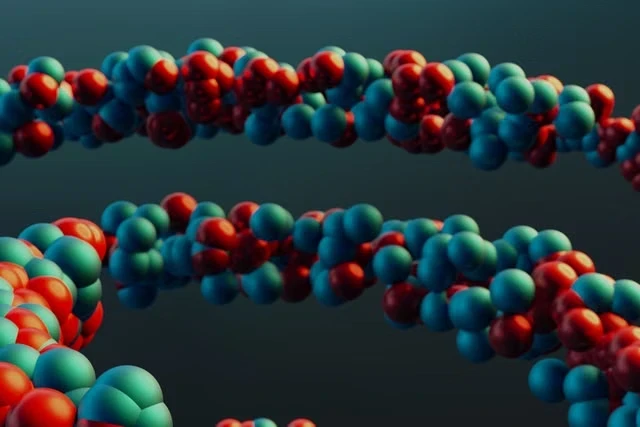
RNA therapeutics have long promised a revolution in medicine, yet their clinical translation has been persistently throttled by a single, unforgiving obstacle: delivery. The fragility of messenger RNA molecules, their susceptibility to enzymatic degradation, and their inability to cross hydrophobic cellular membranes have forced researchers into an elaborate dance with lipid nanoparticles and modified viral vectors. Each delivery platform carries its own baggage, from immunogenicity concerns to manufacturing complexity, leaving the field in a state of elegant but incomplete progress.
Now, an emerging frontier in computational protein design is challenging these orthodoxies with a radically different proposition. Rather than borrowing nature's viral machinery or engineering synthetic lipids, scientists are deploying artificial intelligence to construct virus-like protein shells from scratch. These AI-designed nanocages, highlighted in Nature's September 2026 coverage, represent a convergence of structural biology, machine learning, and genetic medicine that could fundamentally reshape how therapeutic RNA reaches its intracellular destination.
The implications extend far beyond incremental improvement. If protein nanocages can match or exceed the delivery efficiency of current platforms while offering superior biocompatibility and programmability, the entire architecture of RNA medicine stands to be rebuilt. This analysis dissects the science behind these synthetic shells, evaluates their promise against existing delivery systems, and examines the computational principles that make such precise molecular engineering possible.
On This Page
- The Delivery Bottleneck in RNA Therapeutics
- Computational Design of Virus-Like Protein Assemblies
- Structural Principles of Synthetic Nanocage Design
- RNA Encapsulation and Packaging Strategies
- Immunogenicity and Biocompatibility of Synthetic Shells
- Manufacturing Scalability and Clinical Translation Pathways
- Future Directions and Emerging Applications
- Quantitative Analysis of Nanocage Performance Metrics
- Conclusion: The Path Toward Clinical Reality
The Delivery Bottleneck in RNA Therapeutics
RNA-based interventions, from mRNA vaccines to siRNA silencing therapies, share a common vulnerability: naked nucleic acids are rapidly degraded in biological fluids. The therapeutic window closes within minutes without protective packaging, making the delivery vehicle as critical as the payload itself.
Lipid nanoparticles achieved clinical validation during the COVID-19 pandemic, yet their utility is constrained by biodistribution patterns that favor hepatic accumulation. Viral vectors offer superior cellular entry but raise concerns about pre-existing immunity, insertional mutagenesis, and limited payload capacity that complicate repeated administration.
Biophysical Barriers to Intracellular RNA Delivery
The extracellular journey presents the first gauntlet, where serum nucleases and renal clearance conspire against unprotected RNA molecules. Endogenous RNases maintain concentrations sufficient to degrade naked RNA within seconds of systemic administration, necessitating complete encapsulation for any meaningful bioavailability.
Upon reaching target tissues, the delivery vehicle must negotiate the endothelial barrier and interstitial space before encountering the target cell's plasma membrane. This phospholipid bilayer, approximately 4 nanometers thick, presents a hydrophobic barrier that charged nucleic acid polymers cannot spontaneously traverse.
Endocytosis provides the primary entry route, but internalization into endosomal compartments creates a second trap. The vast majority of endocytosed material is destined for lysosomal degradation, and escape from the endosome before this fate remains the rate-limiting step for most non-viral delivery systems.
Once cytosolic access is achieved, the RNA must locate its molecular machinery, whether ribosomes for mRNA translation or the RNA-induced silencing complex for siRNA activity. This intracellular trafficking adds another layer of complexity that delivery vehicles must accommodate through careful design of release kinetics.
Each barrier represents a distinct biophysical challenge, and the cumulative probability of successful delivery across all barriers explains why current platforms achieve only a fraction of their theoretical efficacy. Synthetic protein shells offer the prospect of engineering solutions to each barrier independently.
Comparative Limitations of Established Delivery Platforms
Lipid nanoparticles, despite their clinical success, exhibit a narrow therapeutic index that limits dose escalation. Their tendency to accumulate in the liver and spleen, coupled with complement activation-related pseudoallergy in susceptible individuals, constrains their application beyond hepatic and vaccine targets.
Adeno-associated viral vectors demonstrate remarkable transduction efficiency but are limited by their packaging capacity of approximately 4.7 kilobases. This constraint excludes many therapeutic RNA constructs, particularly those encoding large proteins or multiple guide RNAs for CRISPR applications.
Lentiviral vectors accommodate larger payloads but integrate into the host genome, raising oncogenic risk that mandates careful patient monitoring. The manufacturing complexity and cold-chain requirements of viral vectors further limit their scalability for global distribution.
Electroporation and other physical delivery methods bypass many biological barriers but are restricted to ex vivo applications. The requirement for cell isolation, manipulation, and reinfusion makes these approaches impractical for most systemic therapeutic indications.
These limitations collectively define the design space for next-generation delivery vehicles. An ideal platform would combine viral entry efficiency with synthetic manufacturability, programmable tropism, and minimal immunogenicity, precisely the properties that computational protein design aims to deliver.
Computational Design of Virus-Like Protein Assemblies
The central innovation in this emerging field lies not in discovering new proteins but in designing them from first principles. Deep learning architectures, particularly those based on diffusion models and graph neural networks, now generate protein sequences that fold into predetermined three-dimensional structures with atomic-level accuracy.
These computational tools invert the traditional structure-function paradigm. Instead of characterizing natural proteins and adapting them for therapeutic use, researchers specify the desired geometry, surface chemistry, and assembly properties, then let AI propose amino acid sequences that satisfy those constraints.
Diffusion Models for Protein Backbone Generation
Diffusion-based generative models, similar in architecture to those powering image synthesis, have been adapted for protein design with remarkable success. These models learn the statistical distribution of valid protein structures and can generate novel backbones that deviate substantially from known folds.
The generation process begins with random noise and iteratively refines toward a structure that satisfies the design constraints, including desired symmetry, size, and interior cavity dimensions. For nanocage design, the symmetry constraint is particularly important, as icosahedral or tetrahedral arrangements maximize internal volume per unit protein mass.
Sequence design follows structure generation, with inverse folding algorithms predicting amino acid sequences that stabilize the target backbone. Modern inverse folding tools achieve native-like accuracy, recovering sequences that express and fold correctly in experimental validation.
The computational cost of this pipeline has plummeted in recent years, enabling iterative design cycles that would have been prohibitive with earlier methods. A single design iteration that once required weeks of supercomputer time now completes in hours on specialized hardware.
Experimental validation remains essential, as computational predictions occasionally fail due to inaccuracies in energy functions or unmodeled biophysical effects. However, the success rate of AI-designed proteins has improved from roughly one in a hundred to better than one in ten for well-constrained design problems.
Engineering Assembly and Disassembly Dynamics
A functional delivery vehicle must assemble around its RNA cargo and disassemble upon cellular entry. This requirement introduces dynamic considerations that static structure prediction alone cannot address, demanding computational modeling of assembly pathways and environmental responsiveness.
Designers incorporate pH-sensitive elements that trigger disassembly in the acidic endosomal environment. Histidine residues, with their pKa near endosomal pH, provide a classic mechanism, protonating and destabilizing protein-protein interfaces when the pH drops below six.
Redox-sensitive disulfide bonds offer an alternative trigger, remaining stable in the oxidizing extracellular space but reducing in the glutathione-rich cytosol. This mechanism enables cargo release specifically after successful membrane translocation rather than prematurely in the bloodstream.
Assembly kinetics must balance stability during circulation with responsiveness at the target site. Excessively stable shells resist disassembly and trap their cargo; excessively labile shells release RNA before reaching target cells, creating a narrow window of optimal stability.
Molecular dynamics simulations guide this optimization by predicting the free energy landscape of assembly and disassembly under various environmental conditions. These simulations, while computationally demanding, provide mechanistic insights that guide iterative design refinement.
Structural Principles of Synthetic Nanocage Design
The geometry of protein nanocages follows principles established by viral capsid architecture, which nature has optimized through billions of years of evolution. Icosahedral symmetry, with its 60-fold rotational symmetry, provides the largest internal volume for a given shell thickness and remains the dominant design paradigm.
Each nanocage subunit must encode sufficient information to direct self-assembly into the correct quaternary structure. This requirement imposes strict constraints on interface geometry, with complementary surfaces that recognize each other with high specificity while avoiding off-target interactions.
Symmetry and Stoichiometry Considerations
The icosahedral capsid of many viruses comprises 60 copies of a single capsid protein arranged with perfect T=1 symmetry. Synthetic designers often adopt this architecture, as it maximizes packaging efficiency while minimizing the genetic payload required to encode the shell.
Tetrahedral symmetry, requiring only 12 subunits, offers a smaller alternative suitable for shorter RNA cargoes. The reduced symmetry simplifies design but limits internal volume, creating a trade-off between packaging capacity and design tractability.
Octahedral symmetry occupies an intermediate position, with 24 subunits providing moderate internal volume and design complexity. The choice of symmetry group depends on the intended cargo size and the desired surface properties for cell targeting.
Recent designs have explored asymmetric assemblies that combine multiple distinct protein subunits, enabling more sophisticated functionalities such as directional cell targeting or triggered disassembly. These designs push the boundaries of computational prediction but offer expanded design space.
The stoichiometry of RNA packaging presents a distinct challenge, as the nucleic acid cargo does not follow the symmetry of the protein shell. Designers must either package RNA as a condensed complex that fits within the symmetric cavity or incorporate asymmetric features that accommodate the cargo.
Surface Engineering for Cell-Specific Targeting
Bare nanocages exhibit limited cell specificity, accumulating in the liver and spleen through nonspecific uptake by phagocytic cells. Surface modification with targeting ligands redirects these particles to desired cell populations, improving therapeutic index and reducing off-target effects.
Peptide ligands identified through phage display or computational screening provide a versatile targeting strategy. These short peptides, often 7 to 15 amino acids in length, recognize cell-surface receptors with moderate affinity but sufficient specificity for in vivo applications.
Antibody fragments, including single-chain variable fragments and nanobodies, offer higher affinity targeting but present greater design challenges due to their size and structural complexity. Their incorporation into nanocage surfaces requires careful geometric arrangement to preserve antigen-binding activity.
Computational design enables precise control over ligand density and orientation, optimizing avidity effects that enhance binding specificity. Multivalent display of low-affinity ligands can achieve high-avidity binding comparable to antibody-antigen interactions.
The surface chemistry must also minimize nonspecific interactions with serum proteins, which can opsonize particles and trigger clearance. PEGylation or glycosylation of surface residues provides stealth properties that extend circulation half-life.
We Also Published
RNA Encapsulation and Packaging Strategies
The physical encapsulation of RNA within protein nanocages presents challenges distinct from those of DNA packaging. RNA's single-stranded nature and propensity for secondary structure formation complicate predictable condensation, while its chemical instability demands gentle handling throughout the assembly process.
Electrostatic interactions between negatively charged RNA and positively charged protein interiors provide the primary driving force for encapsulation. Designers tune the density and distribution of basic residues on the cage interior to optimize RNA binding affinity without compromising structural integrity.
Electrostatic and Structural Considerations for RNA Loading
The negative charge density of RNA, approximately one phosphate group per nucleotide, creates a strong electrostatic attraction to cationic protein surfaces. However, excessive positive charge can trigger nonspecific aggregation or membrane disruption, requiring careful optimization of charge balance.
RNA secondary structures, including hairpins and pseudoknots, occupy significant volume and resist tight packing. Coating RNA with cationic polymers or proteins before encapsulation can neutralize charge and compact the molecule, enabling more efficient packaging within the nanocage interior.
The assembly process itself must be controlled to achieve high encapsulation efficiency. Co-assembly, where RNA is present during nanocage formation, typically yields higher loading than post-assembly diffusion, as the growing shell captures the nucleic acid during its construction.
Environmental triggers can synchronize assembly with RNA binding, preventing premature encapsulation or aggregation. pH shifts, salt concentration changes, or ligand addition provide external control over the assembly process, enabling reproducible manufacturing.
Analytical characterization of encapsulated RNA requires sophisticated biophysical methods, including dynamic light scattering, cryo-electron microscopy, and size-exclusion chromatography coupled with RNA quantification. These methods confirm both structural integrity and payload retention.
Mathematical Modeling of Encapsulation Efficiency
The encapsulation process can be modeled using principles of polyelectrolyte complexation, where the free energy of complex formation balances electrostatic attraction against entropic penalties. The equilibrium encapsulation efficiency depends on the ratio of RNA to protein and the binding affinity between them.
For a nanocage with ##N## internal binding sites, each with association constant ##K_a##, the fraction of occupied sites follows a Langmuir isotherm modified for multivalent interactions. The effective binding constant increases with the number of contacts between RNA and the protein surface.
The Debye length, which characterizes the distance over which electrostatic interactions persist, depends on ionic strength and modulates RNA-protein binding. Higher salt concentrations screen electrostatic interactions, reducing encapsulation efficiency but also preventing nonspecific aggregation.
Kinetic trapping during assembly can produce nonequilibrium encapsulation states, where RNA is captured within the shell regardless of equilibrium binding affinity. This phenomenon enables high loading efficiencies even for weakly binding RNA sequences.
Computational models that couple assembly kinetics with RNA binding thermodynamics provide quantitative predictions of encapsulation efficiency as a function of design parameters. These models guide experimental optimization by identifying conditions that maximize productive encapsulation.
The first term represents equilibrium binding of RNA to available sites, while the second accounts for kinetic trapping during assembly. Maximizing both terms requires high binding affinity and rapid assembly relative to RNA degradation.
For a typical nanocage with 60 internal binding sites and an association constant of ##10^6## M##^{-1}##, encapsulation efficiency approaches saturation at RNA concentrations above ##10^{-5}## M. This concentration is achievable in vitro but may require concentration steps during manufacturing.
The assembly rate constant ##k_{assembly}## depends on protein concentration and the free energy barrier for nucleation. Designers can tune this parameter by modifying interface complementarity, with stronger interfaces promoting faster assembly but potentially hindering disassembly.
Optimal encapsulation conditions balance these competing factors, typically requiring systematic screening of pH, ionic strength, and component ratios. High-throughput formulation screens, coupled with automated characterization, accelerate this optimization process.
The mathematical framework also predicts the stoichiometry of RNA packaging, informing whether single or multiple RNA molecules are encapsulated per nanocage. This parameter critically affects dosing consistency and therapeutic efficacy.
Immunogenicity and Biocompatibility of Synthetic Shells
The immune system's response to delivery vehicles determines both safety and efficacy, with excessive immunogenicity causing adverse reactions and rapid clearance. Synthetic protein nanocages offer potential advantages over viral vectors by eliminating pathogen-associated molecular patterns that trigger innate immune recognition.
However, proteinaceous materials are not inherently invisible to the immune system. The adaptive immune system can generate antibodies against any foreign protein, and pre-existing immunity from environmental exposure or prior treatments may neutralize synthetic nanocages.
Innate Immune Recognition and Evasion Strategies
The innate immune system detects pathogens through pattern recognition receptors, including Toll-like receptors and RIG-I-like receptors. RNA itself is a potent agonist for several of these receptors, particularly TLR3, TLR7, and TLR8, which recognize double-stranded and single-stranded RNA respectively.
Encapsulation within protein shells can shield RNA from endosomal TLRs, as the protein coat prevents receptor access to the nucleic acid. However, RNA released during endosomal escape may still trigger cytosolic sensors such as RIG-I and MDA5.
Chemical modification of RNA, including pseudouridine and N1-methylpseudouridine substitution, reduces innate immune activation while preserving translational activity. These modifications, already employed in approved mRNA vaccines, complement the shielding provided by protein encapsulation.
The protein shell itself may activate complement through the alternative pathway, particularly if surface residues resemble pathogen-associated patterns. Computational design can minimize complement activation by avoiding known activating motifs and incorporating complement regulatory domains.
PEGylation of the nanocage surface reduces both complement activation and antibody recognition, extending circulation half-life. However, anti-PEG antibodies induced by prior exposure to PEGylated therapeutics can accelerate clearance of subsequent doses.
Adaptive Immune Responses and Repeat Dosing Considerations
Antibody responses to protein nanocages develop within one to two weeks of administration, potentially neutralizing subsequent doses. This immunogenicity poses a significant challenge for chronic therapies requiring repeated administration.
Computational design can minimize B-cell epitopes by selecting surface residues that resemble human proteins or by glycosylating immunogenic regions. However, complete evasion of adaptive immunity is difficult, as the immune system can generate responses against multiple epitopes simultaneously.
Tolerization strategies, including co-administration of immunosuppressants or induction of regulatory T cells, may enable repeat dosing but add complexity and potential safety concerns. Alternative approaches include sequential administration of antigenically distinct nanocage variants.
The route of administration influences immunogenicity, with intravenous delivery generally more tolerogenic than subcutaneous or intramuscular injection. However, intravenous delivery also exposes nanocages to the full complement of immune surveillance in the bloodstream.
Clinical experience with protein therapeutics, including monoclonal antibodies and enzyme replacement therapies, provides a framework for managing immunogenicity. Dose optimization, patient monitoring for anti-drug antibodies, and immunomodulatory pre-treatment are established strategies that may translate to nanocage delivery.
Manufacturing Scalability and Clinical Translation Pathways
The transition from laboratory proof-of-concept to clinical therapeutic requires manufacturing processes that are reproducible, scalable, and cost-effective. Protein nanocages offer potential manufacturing advantages over both viral vectors and lipid nanoparticles, leveraging established recombinant protein production infrastructure.
Microbial fermentation, particularly in Escherichia coli, provides a scalable platform for producing nanocage subunits. The absence of viral components eliminates biosafety concerns associated with viral vector manufacturing, simplifying facility requirements and regulatory oversight.
Production Platforms and Purification Strategies
E. coli expression systems achieve high yields of properly folded nanocage subunits, with typical production reaching grams per liter of culture. The absence of glycosylation requirements for most designed nanocages eliminates the need for mammalian expression systems.
Cell-free protein synthesis offers an alternative production platform with rapid turnaround and simplified purification. This approach enables on-demand manufacturing at the point of care, potentially transforming distribution logistics for RNA therapeutics.
Purification exploits the size and symmetry of assembled nanocages, with size-exclusion chromatography and ultracentrifugation providing high-purity preparations. Affinity tags incorporated during design enable streamlined purification but must be removed to avoid immunogenicity.
In vitro assembly from purified subunits offers manufacturing flexibility, enabling encapsulation of RNA cargo under controlled conditions. This two-step process, production followed by assembly, decouples manufacturing from formulation and facilitates quality control.
Analytical methods for batch release include electron microscopy for structural integrity, dynamic light scattering for size distribution, and chromatographic methods for payload quantification. These methods must demonstrate consistency across batches to satisfy regulatory requirements.
Regulatory Pathways and Clinical Development Considerations
The regulatory classification of AI-designed protein nanocages will depend on their composition and mechanism of action. Products combining protein shells with RNA cargo will likely be regulated as combination products, requiring coordination between multiple regulatory authorities.
Preclinical development must establish biodistribution, pharmacokinetics, and toxicity profiles in appropriate animal models. Non-human primate studies may be required to assess immunogenicity and repeat-dose safety, given species differences in immune responses.
Dose selection for first-in-human trials requires integration of preclinical efficacy and safety data, with conservative starting doses that minimize risk while enabling dose-response assessment. Adaptive trial designs can accelerate dose escalation while maintaining safety oversight.
Manufacturing scale-up from clinical to commercial quantities requires demonstration of process consistency and comparability across scales. Changes in production methods during development must be validated to ensure product equivalence.
The regulatory landscape for AI-designed biologics is evolving, with agencies developing frameworks for evaluating computational design methods and their outputs. Early engagement with regulators can clarify expectations and streamline development pathways.
Future Directions and Emerging Applications
The convergence of AI-driven protein design and RNA therapeutics opens applications beyond simple delivery. Programmable nanocages could enable cell-type-specific delivery, controlled release kinetics, and combinatorial therapies that address currently intractable diseases.
Cancer immunotherapy represents a particularly promising application, with RNA-encoded chimeric antigen receptors and tumor antigens delivered directly to immune cells in vivo. This approach could eliminate the need for ex vivo cell manipulation, democratizing access to cell-based therapies.
Expanding the Design Space with Generative AI
Current diffusion models generate protein structures within the constraints of known folding physics, but emerging architectures may explore entirely novel structural space. The integration of experimental feedback into generative models enables closed-loop design optimization.
Active learning strategies prioritize experimental validation of designs predicted to be most informative, accelerating the accumulation of structure-function knowledge. Each experimental cycle refines the model, improving success rates for subsequent design iterations.
Multi-objective optimization frameworks balance competing design criteria, including stability, immunogenicity, targeting specificity, and manufacturing yield. Pareto-optimal designs identify trade-offs that inform strategic decisions about therapeutic development.
The incorporation of molecular dynamics simulations into the design loop enables prediction of dynamic properties, including assembly kinetics and environmental responsiveness. These simulations, while computationally expensive, provide mechanistic insights that static structure prediction cannot.
Foundation models trained on massive protein sequence and structure databases may eventually enable one-shot design of functional nanocages with minimal experimental iteration. Such models would dramatically accelerate the design-build-test cycle.
Integration with Emerging Therapeutic Modalities
Beyond mRNA and siRNA, protein nanocages could deliver other nucleic acid modalities, including antisense oligonucleotides, aptamers, and circular RNA. Each modality presents unique packaging and release requirements that may necessitate distinct nanocage designs.
Prime editing and base editing technologies require delivery of both guide RNA and editor protein or mRNA. Nanocages capable of co-delivering multiple components could simplify these complex therapeutic systems.
Protein replacement therapies, where the therapeutic agent is itself a protein, could benefit from nanocage encapsulation that protects against proteolysis and enables intracellular delivery. This application extends the platform beyond nucleic acid therapeutics.
Diagnostic applications, including in vivo RNA sensors and imaging agents, represent an emerging frontier. Nanocages carrying reporter RNA could enable non-invasive monitoring of cellular states and therapeutic responses.
The ultimate impact of AI-designed protein nanocages will depend on successful clinical translation, which requires navigating scientific, regulatory, and commercial challenges. The convergence of computational power, biological understanding, and clinical need suggests that this platform will play a significant role in the future of medicine.
Quantitative Analysis of Nanocage Performance Metrics
Rigorous evaluation of nanocage delivery systems requires quantitative metrics that enable comparison across designs and against established platforms. These metrics span encapsulation efficiency, stability, targeting specificity, and therapeutic efficacy, each demanding specific analytical methods.
Standardized reporting of these metrics would accelerate field progress by enabling meta-analyses and identifying design principles that correlate with successful outcomes. The field is moving toward consensus guidelines for nanocage characterization.
Mathematical Framework for Delivery Efficiency
The overall delivery efficiency can be decomposed into the product of individual step efficiencies, from administration to intracellular cargo release. This decomposition identifies rate-limiting steps and guides optimization efforts toward the most impactful bottlenecks.
For systemic administration, the fraction of injected dose reaching target cells depends on circulation half-life, tissue extravasation, and cellular uptake efficiency. Each factor can be modeled independently and validated through biodistribution studies.
The endosomal escape efficiency, often the dominant barrier, can be quantified using fluorescent cargo that becomes active only upon cytosolic release. This assay enables high-throughput screening of nanocage variants for improved escape properties.
Mathematical modeling of the complete delivery pathway, from injection to therapeutic effect, provides a framework for predicting dose-response relationships and optimizing dosing regimens. These models incorporate pharmacokinetic and pharmacodynamic parameters derived from experimental data.
Uncertainty quantification in these models identifies parameters with the greatest impact on predicted outcomes, prioritizing experimental measurements that most reduce prediction uncertainty.
Each ##E## term represents the fractional efficiency of a distinct delivery step, with values ranging from zero to one. The product formulation highlights how improvements in any single step multiplicatively enhance overall delivery.
For a nanocage achieving 90% circulation survival, 30% extravasation, 70% cellular uptake, 40% endosomal escape, and 90% cargo release, the total efficiency is approximately 6.8%. This calculation illustrates the challenge of achieving high overall delivery.
Improving endosomal escape from 40% to 80% would nearly double total efficiency to 13.6%, demonstrating the outsized impact of addressing the most limiting step. This analysis guides research priorities toward endosomal escape mechanisms.
Comparative analysis across delivery platforms using this framework reveals distinct efficiency profiles. Lipid nanoparticles excel at circulation and uptake but suffer from modest endosomal escape, while viral vectors achieve efficient escape but face immune clearance.
The quantitative framework also enables cost-effectiveness analysis, relating delivery efficiency to manufacturing cost per dose. This analysis informs strategic decisions about platform selection for specific therapeutic applications.
Statistical Design of Experiments for Nanocage Optimization
Response surface methodology provides a systematic approach to optimizing multiple design parameters simultaneously. Factorial designs identify interactions between parameters that would be missed by one-factor-at-a-time experimentation.
For nanocage optimization, key factors include surface charge density, hydrophobic patch distribution, targeting ligand density, and assembly conditions. Each factor spans a range of values determined by preliminary screening experiments.
Central composite designs efficiently estimate quadratic response surfaces with a moderate number of experimental runs. These designs enable prediction of optimal factor combinations without exhaustive testing of all possibilities.
Bayesian optimization offers an alternative approach that balances exploration of uncertain regions with exploitation of promising designs. This method is particularly valuable when experimental runs are expensive or time-consuming.
Machine learning models trained on experimental data can predict performance metrics for untested designs, enabling virtual screening of large design libraries. These models improve as more data accumulates, creating a virtuous cycle of design and validation.
Conclusion: The Path Toward Clinical Reality
AI-designed protein nanocages represent a convergence of computational biology and therapeutic delivery that could overcome the limitations of current RNA delivery platforms. The ability to program structure, function, and immunogenicity at the atomic level offers unprecedented control over the delivery process.
Significant challenges remain before these systems reach clinical practice, including demonstration of safety and efficacy in human trials, scalable manufacturing, and regulatory approval. However, the rapid pace of computational design innovation suggests that these hurdles are surmountable within the coming decade.
The broader implications extend beyond RNA delivery, as the same design principles apply to protein replacement therapies, vaccine development, and diagnostic applications. AI-designed protein assemblies may become a general platform for biomedical intervention.
Investment in this technology, both from public funding agencies and private investors, reflects growing confidence in its potential. Strategic partnerships between computational design companies and pharmaceutical developers are accelerating translation.
The ultimate measure of success will be clinical outcomes, whether patients with genetic diseases, cancer, or infectious diseases benefit from therapies enabled by synthetic protein shells. The foundation laid by current research positions the field for transformative impact.
From our network :
- 10 Physics Numerical Problems with Solutions for IIT JEEPrepare for IIT JEE with 10 physics numerical problems, complete with detailed solutions and conceptual explanations. Ideal for mastering kinematics, thermodynamics, electromagnetism, and optics.
- Trump Political Strategy How Geopolitical Stunts Serve As Media Diversions
- AI-Powered 'Precision Diagnostic' Replaces Standard GRE Score ReportsDiscover the new GRE Precision Diagnostic. Learn how AI-powered behavioral analytics and time-to-solve tracking are replacing standard GRE score reports to empower students.
- Vite 6/7 'Cold Start' Regression in Massive Module GraphsIn-depth analysis of Vite 6/7 cold start regressions in massive module graphs. Learn about barrel file issues, pre-bundling optimizations, and how to improve Vite dev server performance.
- EV 2.0: The Solid-State Battery Breakthrough and Global Factory ExpansionDiscover the impact of the Solid-State Battery Breakthrough on the EV market. Learn about CATL and BYD stock growth, global factory expansion in Europe, and the future of EV 2.0 technology.
- Mastering DB2 LUW v12 Tables: A Comprehensive Technical GuideComprehensive guide on DB2 LUW v12 tables. Explore CREATE TABLE syntax, BLU Acceleration, range partitioning, data types, and security features for IBM DB2 LUW v12.
- 98% of Global MBA Programs Now Prefer GRE Over GMAT Focus EditionExplore why 98% of global MBA programs now prefer the GRE over GMAT Focus. Learn about the shorter GRE format, verbal logic importance, and strategic versatility for students.
- Analyzing Trump Deportation Numbers Insights Into The 2026 Immigration Crackdown
- Mastering DB2 12.1 Instance Design: A Technical Deep Dive into Modern Database ArchitectureComprehensive guide to DB2 12.1 Instance Design. Explore architectural components, HADR setup, buffer pool tuning, and security policies for IBM DB2 12.1. Includes 10 functional SQL and Shell samples.
RESOURCES
- AI-designed protein unlocks virus-like shells that could ... - Phys.orgphys.orgJun 20, 2026 ... ... protein nanocage designed by AI to mimic this structure. ... Protein nanocages: The most promising next-generation drug delivery platform.
- mRNA Delivery Systems Based on Protein Nanocages - PMC - NIHpmc.ncbi.nlm.nih.govMessenger RNA (mRNA) therapeutics hold great potential in the prevention and treatment of many diseases owing to several unique advantages. Delivery of mRNA ...
- Creating bottom-up RNA transfer vehicles from synthetic protein ...nature.com4 days ago ... ... protein domains, combined with artificial-intelligence-designed synthetic protein assemblies. We name these RNA carriers synthetic transfer ...
- From RNA design to delivery: Computational strategies for functional ...sciencedirect.comThrough structural prediction and network-based design ... AI-driven discovery and engineering of human endogenous nanocage proteins for mRNA delivery.
- Humanized extracellular vesicles for efficient RNA delivery - PNASpnas.orgA specialized form of engineered EVs, known as enveloped protein nanocages (EPNs), has been developed to enhance cargo loading and delivery. When EPNs are ...
- Recent advances in lipid and biomimetic nanocarriers for nucleic ...link.springer.comApr 20, 2026 ... (2022) reported a chemistry-guided strategy for the rational design of ionizable lipids optimized for small interfering RNA (siRNA) delivery and ...
- Designed proteins induce the formation of nanocage ... - PubMedpubmed.ncbi.nlm.nih.govDec 8, 2016 ... ... (proteins and RNA) or enveloped viruses (proteins, nucleic acids and lipids). Approaches have been developed for designing self-assembling ...
- UW's David Baker lab creates roomier protein cages for gene therapygeekwire.comMay 20, 2026 ... ... protein cages to deliver genetic medicines. by Lisa ... nanocages” and “De novo design of quasisymmetric two-component protein cages.
- Delivering protein nanoparticle vaccines via mRNAipd.uw.eduOct 15, 2025 ... Combining the speed of mRNA and potency of design proteins yielded up to 28-fold more antibodies — and a platform…
- Baker Lab • UW Institute for Protein Designbakerlab.orgWe develop protein design software and use it to create molecules that solve challenges in medicine, technology, and sustainability.
- All Drug Delivery articles | Drug Target Reviewdrugtargetreview.comAI-designed proteins self-assemble into virus-like drug delivery structures ... RNA, gene and protein-based therapies work. Previous Page; Page1; Page2 · Page3 ...
- Engineering RNA export for measurement and manipulation of living ...cell.comJul 11, 2023 ... Figure S2 Design and characterization of protein nanocage-based RNA exporters, related to Figure 2 ... protein delivery. 71. Banskota, S ...
- (PDF) Creating bottom-up RNA transfer vehicles from synthetic ...researchgate.netOct 14, 2024 ... Here, we investigate whether AI-designed protein assemblies can be ... et al. Designed proteins induce the formation of nanocage-containing ...
- Bottom-up Protein Assemblies Form Efficient RNA Transport Systemsquantumzeitgeist.com3 days ago ... This suggests that virtually limitless numbers of synthetic RNA delivery vehicles can be created by harnessing artificial intelligence and non- ...
- Hsp Protein Nanocages for siRNA Delivery - Advanced Science Newsadvancedsciencenews.comApr 18, 2018 ... In their study, researchers from Beihua University in Jilin, China have designed ... Wearable headband combines AI and mindfulness to…




0 Comments