Bacterial and viral diseases form the everyday battleground of human health, and understanding them is the natural next step after grasping what disease itself means. Where the previous lesson established the broad architecture of health, pathogens, and the body's defences, this lesson narrows the lens onto two of the most consequential groups of infectious agents: bacteria and viruses. These organisms account for an extraordinary share of human illness, from the familiar misery of the common cold to the life-threatening complications of pneumonia, tuberculosis, and viral pandemics. Learning how they differ, how they spread, and how they are prevented gives learners a practical framework they can apply to almost any infection they will ever encounter.
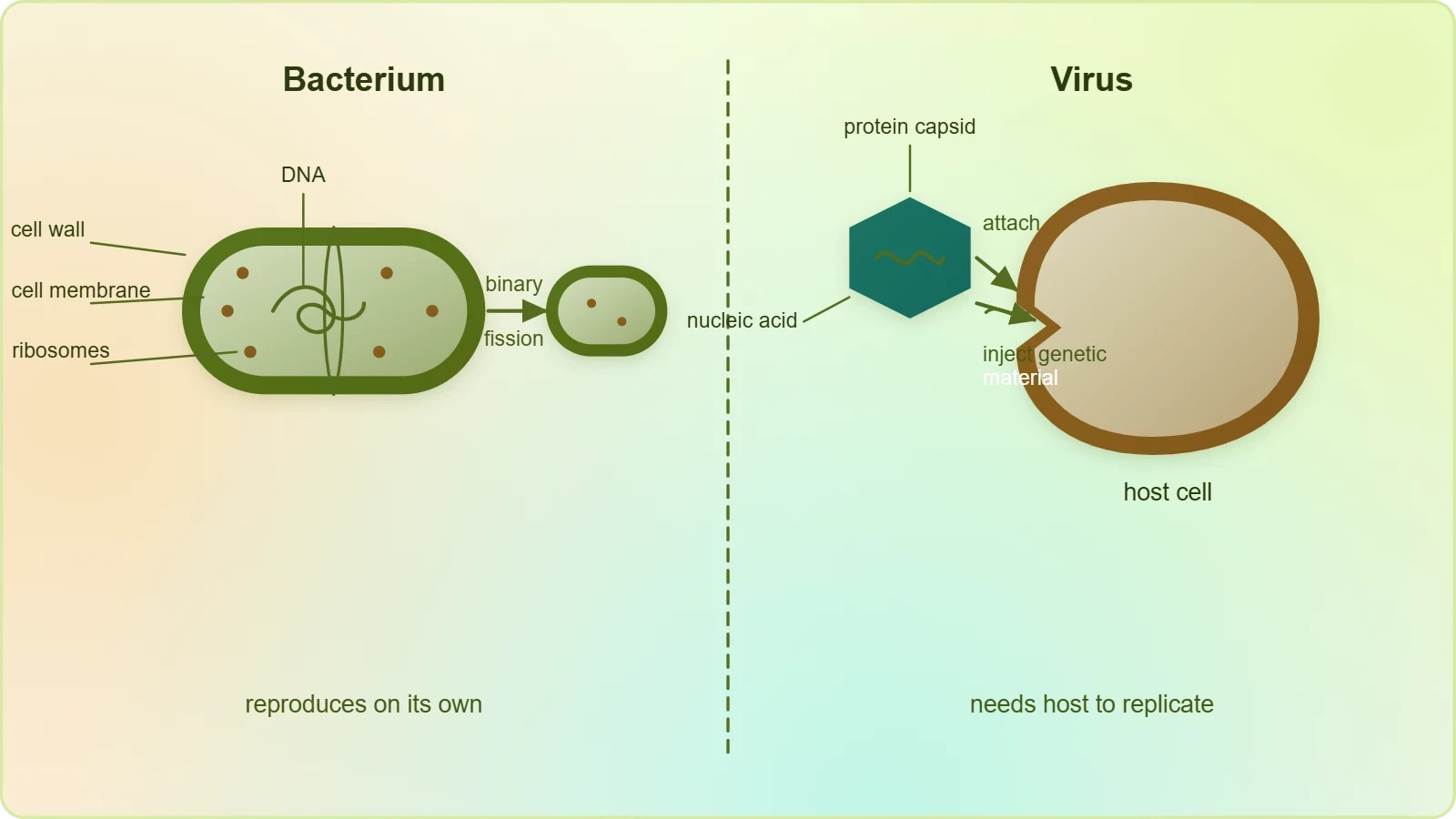
The distinction between bacteria and viruses is far more than academic taxonomy. It determines whether an antibiotic will help or harm, how a disease spreads through a community, and which public health measures actually work. A bacterium is a living cell that can reproduce on its own; a virus is a fragment of genetic material wrapped in protein that must hijack a host cell to replicate. This single structural difference cascades into everything that follows: treatment strategies, prevention protocols, and the evolutionary arms race between pathogens and medicine. By the end of this lesson, learners should be able to classify common diseases correctly, explain transmission routes with confidence, and reason about why antibiotic resistance and vaccination are among the most pressing issues in modern medicine.
This lesson also builds deliberately toward what comes next. Protozoan and helminthic diseases, covered in the following lesson, involve more complex parasites with multi-host life cycles, so the bacterial and viral foundations laid here—transmission, prevention, immunity, and treatment—will serve as a comparative reference point. The material below follows the reference chapter's core content on typhoid, pneumonia, and the common cold, then extends well beyond it with cholera, tuberculosis, influenza, COVID-19, antibiotic resistance, vaccines, and herd immunity. Each concept is anchored in worked reasoning and real-world application so that the knowledge is not merely memorised but genuinely understood.
On This Page
- The Fundamental Divide: Bacterial and Viral Pathogens
- Major Bacterial Diseases: Typhoid and Pneumonia
- Major Viral Diseases: The Common Cold and Beyond
- Transmission Routes and Prevention Strategies
- Antibiotic Resistance and the Limits of Treatment
- Immunity, Vaccination, and the Body's Defences
- Worked Examples and Common Misconceptions
- Looking Ahead: From Microbes to Parasites
The Fundamental Divide: Bacterial and Viral Pathogens
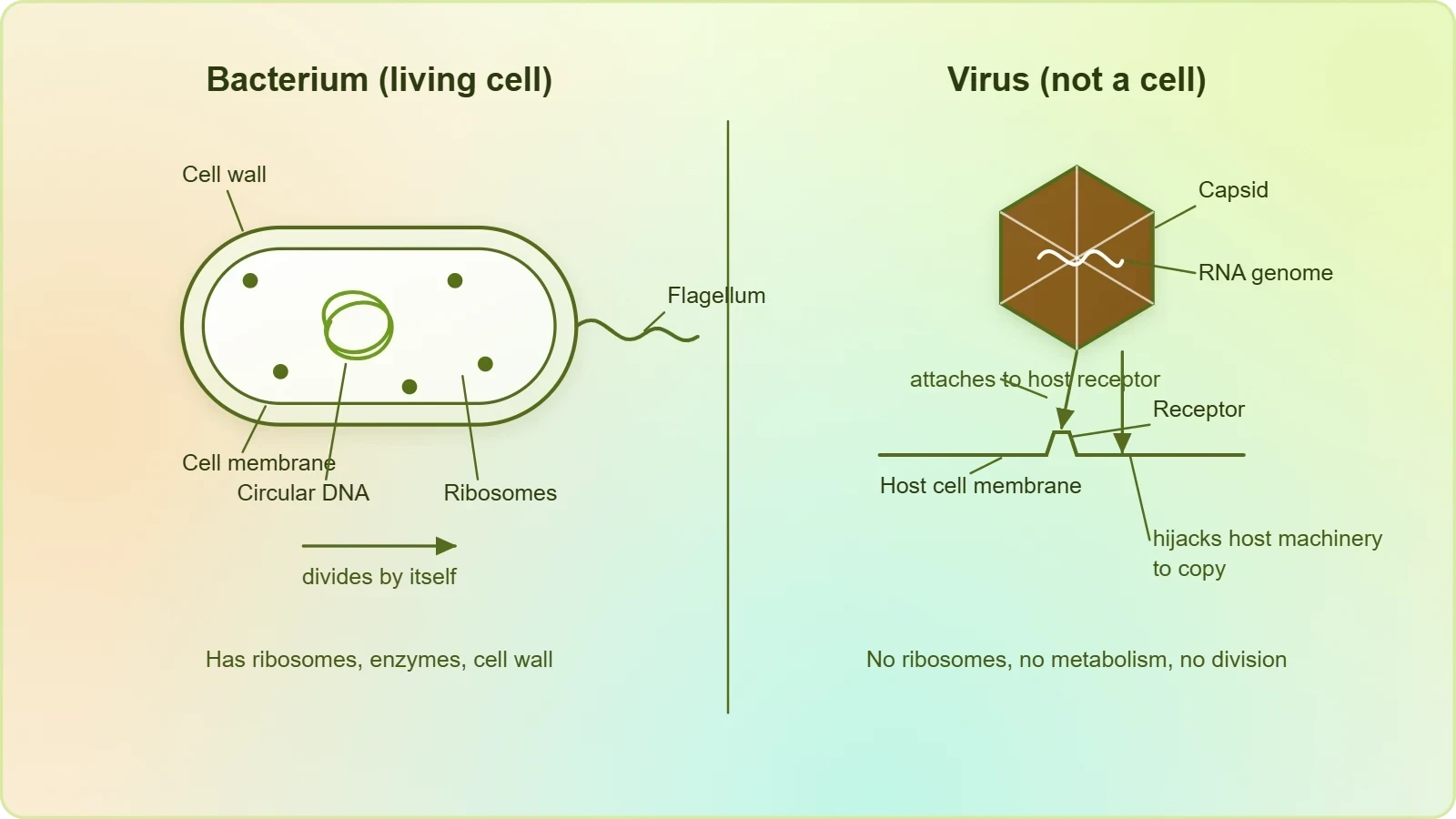
Before examining specific diseases, it is essential to understand what bacteria and viruses actually are, because their structural differences explain nearly every clinical and public health decision made about them. Bacteria are single-celled organisms with their own metabolism, their own ribosomes, and the capacity to reproduce independently through binary fission. Viruses possess none of this machinery; they are obligate intracellular parasites consisting of nucleic acid—either DNA or RNA—encased in a protein coat called a capsid, sometimes with an additional lipid envelope. This distinction is the foundation on which treatment, prevention, and diagnosis all rest, and it is the single most useful concept a learner can carry into any discussion of infectious disease.
Structure, Replication, and Why It Matters Clinically
A bacterium such as Streptococcus pneumoniae carries everything it needs to live and divide. It has a cell wall, a cell membrane, ribosomes for protein synthesis, and metabolic enzymes. This self-sufficiency is precisely what makes bacteria vulnerable to antibiotics: penicillin attacks the cell wall, tetracyclines block bacterial ribosomes, and sulfonamides interfere with bacterial folate synthesis. Because human cells lack a cell wall and use structurally different ribosomes, these drugs can selectively target the bacterium while leaving host tissue largely unharmed. The principle of selective toxicity—harming the pathogen without harming the patient—is the cornerstone of antibacterial therapy and explains why antibiotics are so effective against bacterial infections.
Viruses operate under an entirely different logic. A rhinovirus, for instance, is little more than a strand of RNA inside a protein shell. It cannot generate energy, synthesise proteins, or divide. Instead, it attaches to a host cell receptor, injects its genetic material, and commandeers the host's ribosomes and enzymes to manufacture viral components. This dependence means antibiotics are completely useless against viral infections—there is no bacterial cell wall to attack and no bacterial ribosome to block. Antiviral drugs must target virus-specific enzymes such as polymerases or proteases, which is far more difficult and often more toxic. Understanding this asymmetry prevents the common and dangerous mistake of demanding antibiotics for a cold or flu.
A Comparative Framework for Learners
The table below consolidates the essential contrasts between bacteria and viruses. Learners preparing for examinations or pursuing health sciences should be able to reproduce this comparison from memory, because it underpins questions on treatment, prevention, and pathogen classification. Notice how each row connects a structural fact to a practical consequence—this cause-and-effect reasoning is what distinguishes genuine understanding from rote recall. The comparison also sets up the disease-specific sections that follow, where typhoid and pneumonia illustrate bacterial pathology while the common cold and influenza illustrate viral pathology.
Major Bacterial Diseases: Typhoid and Pneumonia
Bacterial diseases present in two broad transmission patterns that learners must distinguish: food- and water-borne infections, and airborne infections. Typhoid exemplifies the first, spreading through contaminated food and water, while pneumonia exemplifies the second, spreading through inhaled droplets and aerosols. Both are caused by well-characterised bacterial pathogens, both produce distinctive clinical pictures, and both are preventable through hygiene and, in some cases, vaccination. The reference material introduces these two diseases as the flagship examples of bacterial pathology, and they remain the most instructive cases for understanding how bacteria colonise specific tissues and produce specific symptoms.
Typhoid: A Water-Borne Infection and the Typhoid Mary Case
Typhoid is caused by Salmonella typhi, a bacterium that enters the body through contaminated food or water and multiplies in the intestine before disseminating through the bloodstream. Diagnosis historically relied on the Widal test, which detects antibodies against the bacterium in a patient's serum. The disease produces sustained fever, abdominal discomfort, and generalised weakness, and in severe cases can lead to intestinal perforation. The classic case of Mary Mallon, nicknamed Typhoid Mary, illustrates a crucial epidemiological concept: the asymptomatic carrier. A cook by profession, she was a typhoid carrier who continued to spread the disease for several years through the food she prepared, despite showing no symptoms herself.
The Typhoid Mary case is worth dwelling on because it demonstrates that infectious disease control cannot rely solely on identifying sick individuals. Carriers who shed pathogens without falling ill can sustain transmission chains indefinitely, which is why public health authorities track food handlers, enforce hygiene standards in catering, and investigate outbreaks through contact tracing. The Widal test, though historically important, has been largely superseded by more specific culture-based and molecular diagnostics, but its place in medical history remains secure. For learners, the lesson is that epidemiology is as much about human behaviour—cooking, hygiene, food handling—as it is about microbiology, and that prevention through clean water and food safety is the most reliable defence.
Pneumonia: Airborne Infection of the Alveoli
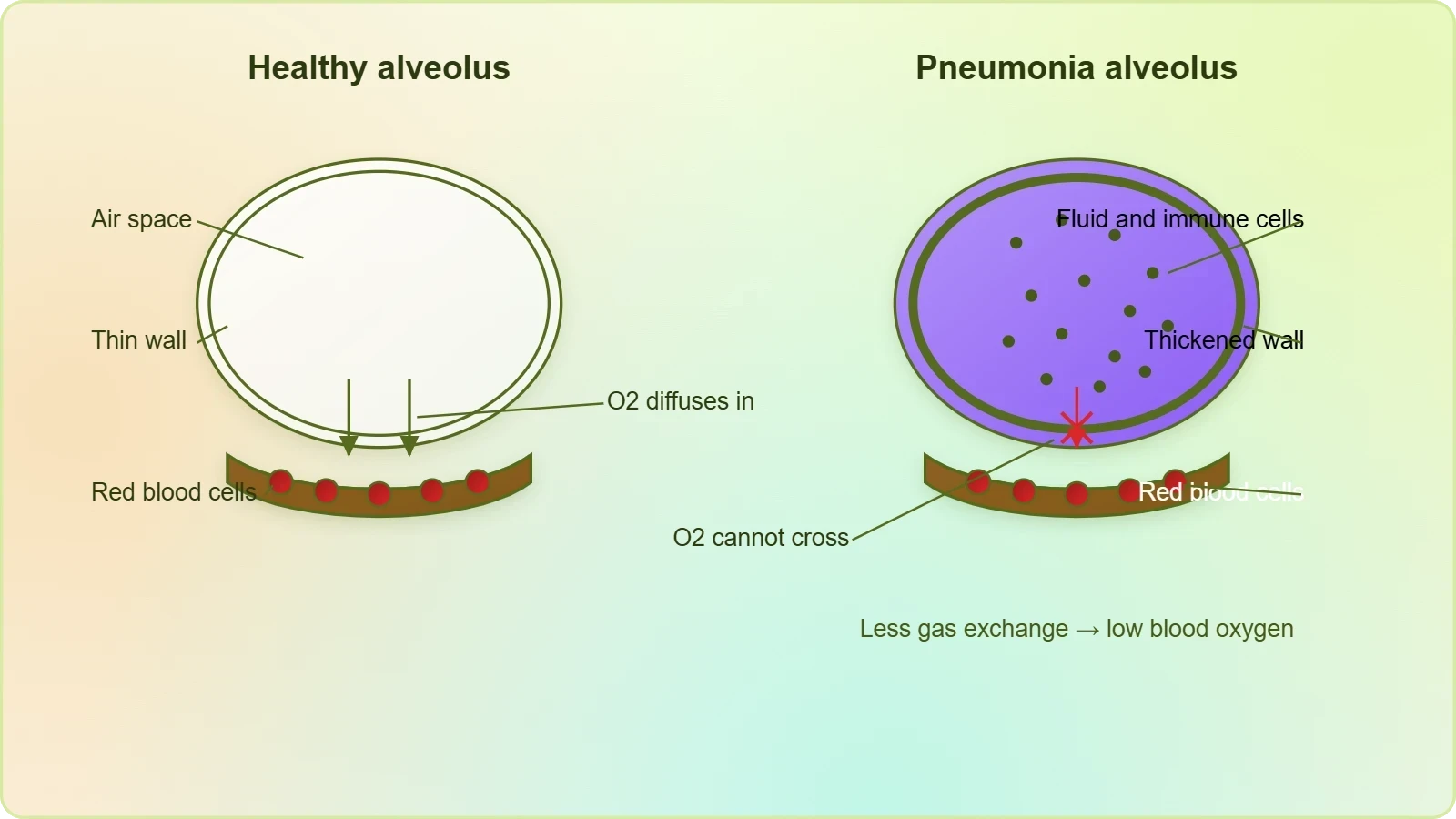
Pneumonia is caused by bacteria such as Streptococcus pneumoniae and Haemophilus influenzae, which infect the alveoli—the air-filled sacs of the lungs where gas exchange normally occurs. As a result of the infection, the alveoli become filled with fluid, leading to severe problems in respiration. The symptoms include fever, chills, cough, and headache, and in severe cases the lips and fingernails may turn gray to bluish in colour, a sign of inadequate oxygenation known as cyanosis. A healthy person acquires the infection by inhaling droplets or aerosols released by an infected person, or even by sharing glasses and utensils with an infected person.
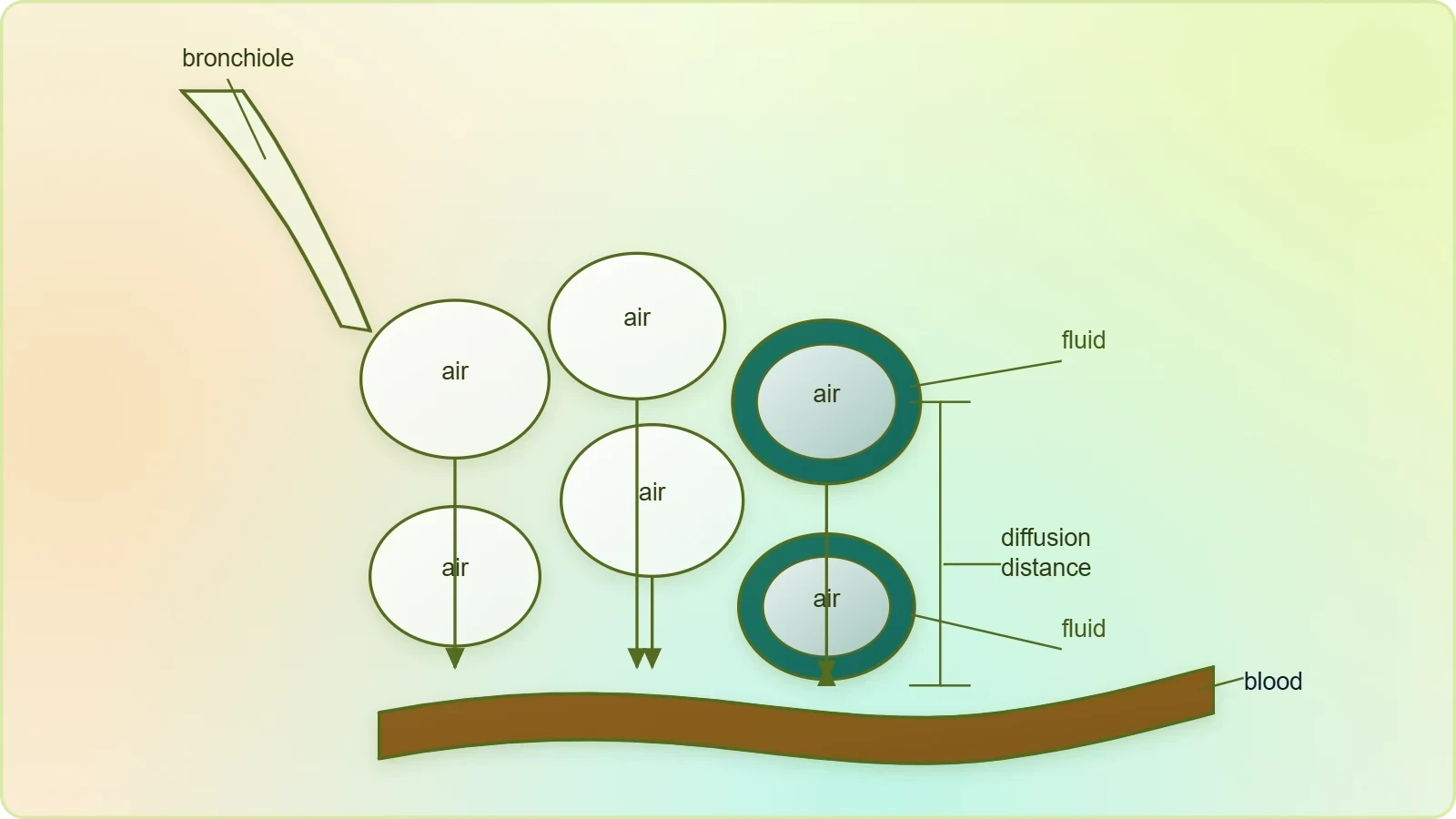
The pathophysiology of pneumonia is a useful teaching model because it connects a pathogen to a specific anatomical site and a specific functional failure. The alveoli are thin-walled sacs optimised for diffusion; when fluid accumulates within them, the diffusion distance increases and oxygen transfer collapses. This is why cyanosis appears in severe cases—the blood is simply not being oxygenated. The same logic explains why pneumonia is especially dangerous in the elderly, the very young, and the immunocompromised, whose reserve capacity is limited. Other bacterial diseases in humans include dysentery, plague, and diphtheria, each with its own transmission route and tissue tropism, but pneumonia remains the clearest illustration of how bacterial infection can compromise a vital physiological function.
Major Viral Diseases: The Common Cold and Beyond
Viral diseases are extraordinarily diverse, but the common cold is the ideal entry point because it is the most infectious human ailment and its transmission illustrates nearly every principle of viral spread. Rhinoviruses represent one group of viruses responsible for the common cold. They infect the nose and respiratory passage but not the lungs, which is a crucial detail: the virus's tissue tropism determines the symptoms it produces. The common cold is characterised by nasal congestion and discharge, sore throat, hoarseness, cough, headache, and tiredness, which usually last for three to seven days. Droplets resulting from coughs or sneezes of an infected person are either inhaled directly or transmitted through contaminated objects such as pens, books, cups, doorknobs, computer keyboards, or mice, and cause infection in a healthy person.
Transmission Dynamics and the Rhinovirus Model
The rhinovirus model teaches two transmission routes simultaneously: direct droplet inhalation and indirect contact through fomites—inanimate objects that carry infectious agents. This dual route explains why hand hygiene and surface cleaning matter alongside respiratory etiquette. A person who touches a contaminated doorknob and then rubs their nose has effectively inoculated themselves. The three-to-seven-day duration reflects the innate immune response clearing the infection before adaptive immunity is fully engaged, which is also why immunity to colds is short-lived and why we suffer repeated infections throughout life. There are over a hundred rhinovirus serotypes, so immunological memory against one provides little protection against the next, a fact that explains the futility of pursuing a single universal cold vaccine.
Beyond the common cold, viral diseases include influenza and COVID-19, both of which demonstrate how rapidly respiratory viruses can spread and how profoundly they can disrupt societies. Influenza viruses undergo antigenic drift and shift, producing seasonal epidemics and occasional pandemics. SARS-CoV-2, the virus responsible for COVID-19, spread globally within months, overwhelming healthcare systems and demonstrating the importance of rapid vaccine development and public health coordination. These examples extend the rhinovirus lesson: respiratory viruses exploit the same droplet and aerosol routes, but their capacity for severe disease and their evolutionary flexibility make them far more dangerous. Understanding the common cold is therefore not trivial—it is the training ground for understanding pandemics.
Vaccines and Herd Immunity in Viral Control
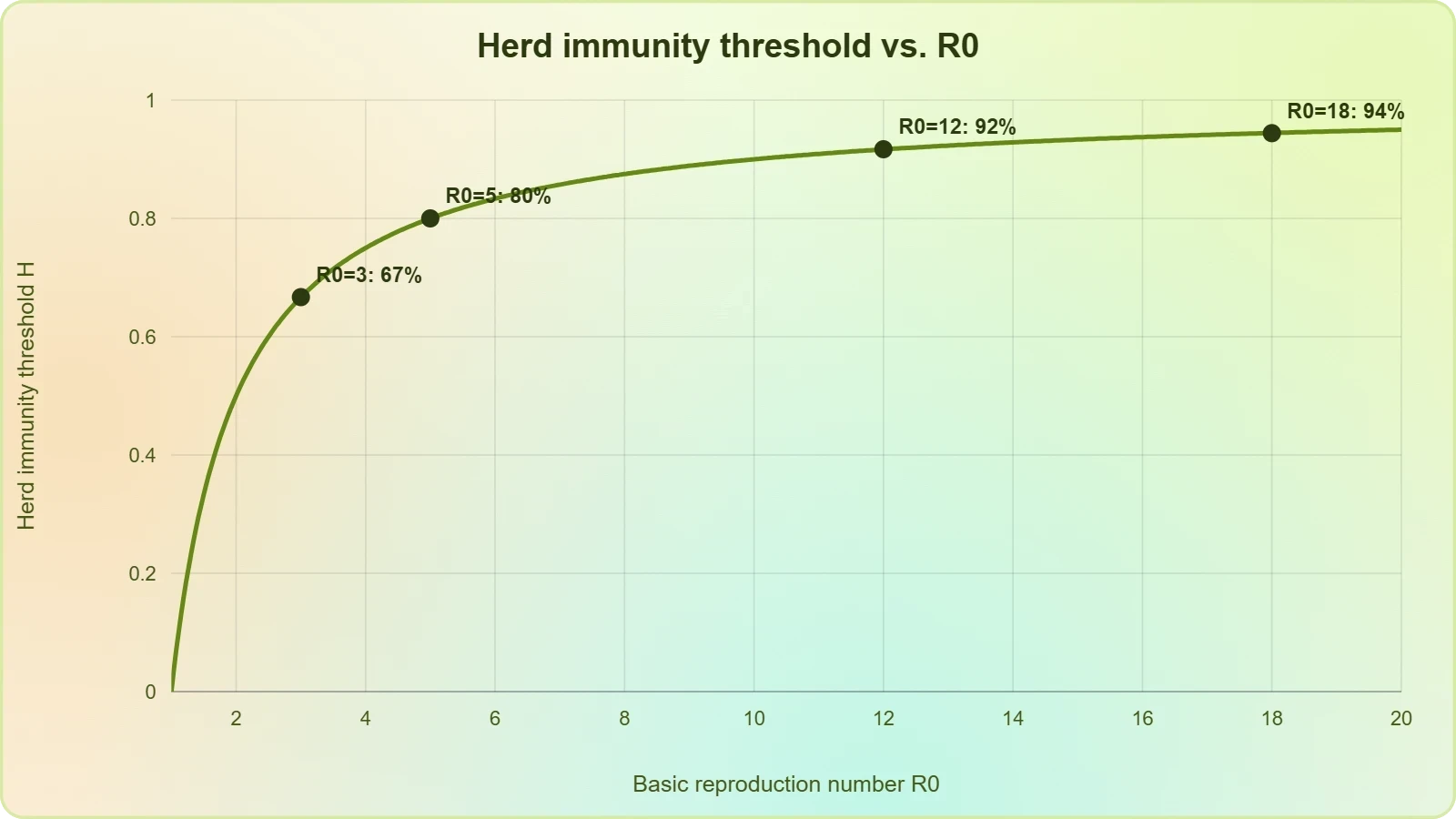
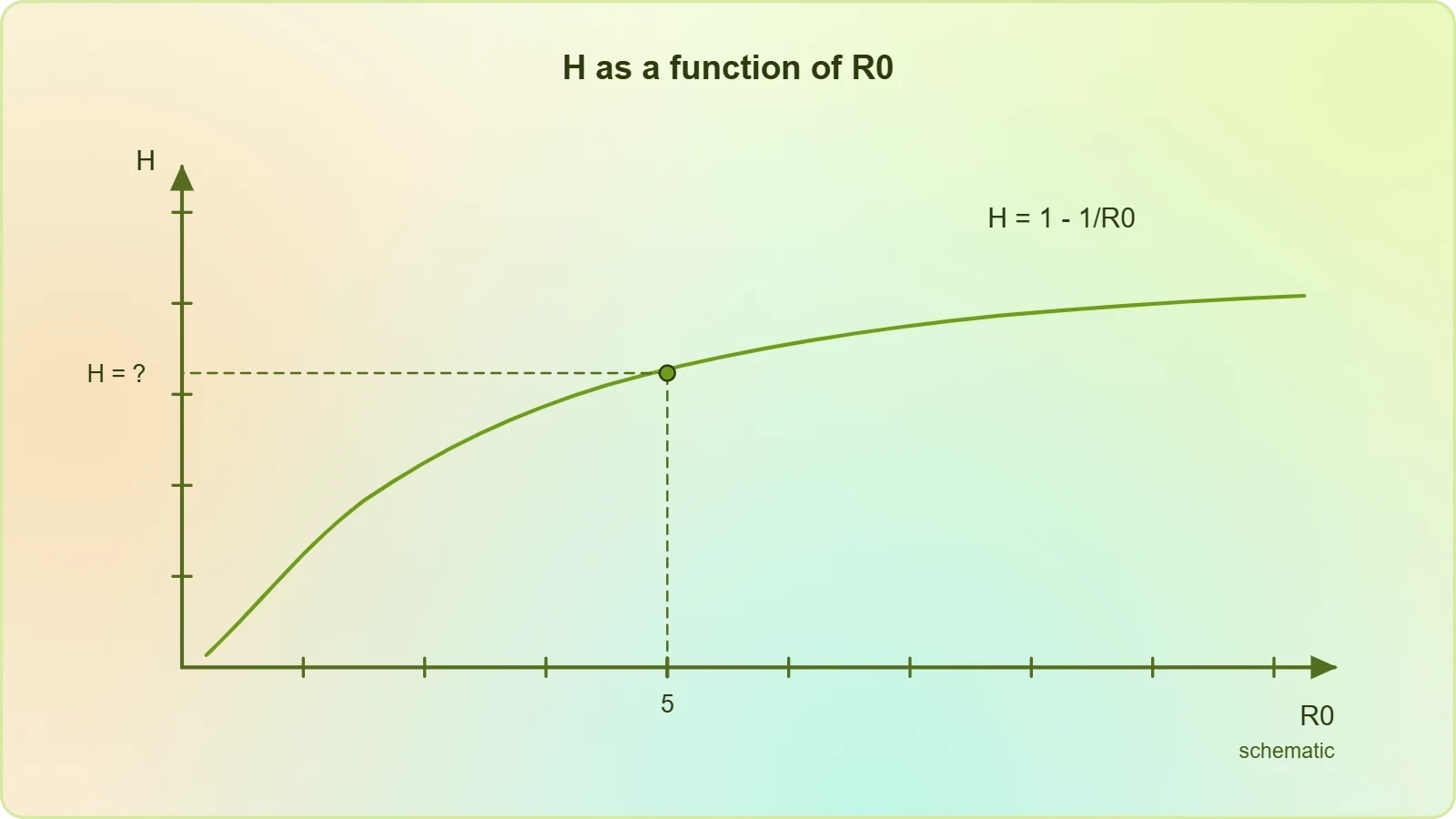
Vaccination is the most powerful tool humanity has for controlling viral diseases. The use of vaccines and immunisation programmes has enabled us to completely eradicate a deadly disease like smallpox, and a large number of other infectious diseases such as polio, diphtheria, pneumonia, and tetanus have been controlled to a large extent by the use of vaccines. Vaccines work by exposing the immune system to a harmless version or component of a pathogen, generating immunological memory without causing disease. When a sufficient proportion of a population is immune, transmission chains break, protecting even those who cannot be vaccinated—a phenomenon known as herd immunity. The threshold for herd immunity depends on the basic reproduction number ##R_0## of the pathogen, according to the relation:
For a pathogen with ##R_0 = 5##, the herd immunity threshold is ##H = 1 - 1/5 = 0.8##, or eighty percent. This simple calculation explains why highly transmissible viruses such as measles, with ##R_0## often between twelve and eighteen, require vaccination coverage above ninety percent to prevent outbreaks. It also explains why declining vaccination rates can allow eliminated diseases to return. Herd immunity is not a passive phenomenon; it is a collective achievement that depends on individual decisions, which is why public health messaging, trust, and access are as important as the vaccine itself. For viral diseases with no effective antiviral treatment, prevention through immunisation remains the primary strategy.
Transmission Routes and Prevention Strategies
Prevention is where the study of infectious disease becomes immediately practical. The reference material is emphatic that maintenance of personal and public hygiene is very important for the prevention and control of many infectious diseases. Measures for personal hygiene include keeping the body clean and consuming clean drinking water, food, vegetables, and fruits. Public hygiene includes proper disposal of waste and excreta, periodic cleaning and disinfection of water reservoirs, pools, cesspools, and tanks, and observing standard practices of hygiene in public catering. These measures are particularly essential where infectious agents are transmitted through food and water, such as typhoid, amoebiasis, and ascariasis. The logic is straightforward: interrupt the transmission route and the disease cannot spread.
Matching Interventions to Transmission Modes
For airborne diseases such as pneumonia and the common cold, in addition to the hygiene measures above, close contact with infected persons or their belongings should be avoided. This is why respiratory etiquette—covering coughs, wearing masks during outbreaks, ventilating indoor spaces—is emphasised during influenza seasons and pandemics. For diseases transmitted through insect vectors, such as malaria and filariasis, the most important measure is to control or eliminate the vectors and their breeding places. This can be achieved by avoiding stagnation of water in and around residential areas, regular cleaning of household coolers, use of mosquito nets, introducing fishes like Gambusia in ponds that feed on mosquito larvae, and spraying insecticides in ditches, drainage areas, and swamps. Doors and windows should be fitted with wire mesh to prevent mosquito entry.
These precautions have become more important in light of recent widespread incidences of vector-borne diseases such as dengue and chikungunya, transmitted by Aedes mosquitoes, in many parts of India. The table below organises prevention strategies by transmission route, which is the most useful way to remember them. The key insight is that prevention is route-specific: water-borne diseases demand sanitation, airborne diseases demand respiratory measures and ventilation, and vector-borne diseases demand vector control. A learner who can classify a disease by its transmission route can immediately deduce the appropriate preventive measures, which is a far more powerful skill than memorising a list.
Antibiotic Resistance and the Limits of Treatment
The discovery of antibiotics and various other drugs has enabled us to effectively treat infectious diseases, and this achievement ranks among the most important in medical history. However, the same evolutionary principles that allow bacteria to adapt to new environments allow them to adapt to antibiotics. Every time an antibiotic is used, it creates selection pressure favouring any bacterium that happens to carry a resistance mechanism—an enzyme that degrades the drug, a pump that expels it, or a modified target that the drug can no longer bind. Resistance is not a failure of the drug but a predictable consequence of evolution operating on enormous population sizes and short generation times. Understanding this is essential for anyone who will prescribe, take, or regulate antibiotics.
The Evolutionary Logic of Resistance
Bacterial populations can number in the billions within a single infection, and a single mutation can confer resistance. Under antibiotic exposure, susceptible bacteria die while resistant mutants survive and multiply, passing resistance genes to descendants and, through horizontal gene transfer, even to other species. This is why incomplete courses of antibiotics are dangerous: they kill the weak but leave the partially resistant, which then repopulate. The mathematics of selection is unforgiving. If a resistance mutation arises at a frequency of one in a billion and a patient harbours ten billion bacteria, roughly ten resistant cells exist before treatment even begins. Combination therapy and adequate dosing are strategies to reduce this probability.
The public health implications are severe. Multidrug-resistant tuberculosis, methicillin-resistant Staphylococcus aureus, and carbapenem-resistant Enterobacteriaceae are already causing infections that are difficult or impossible to treat. The World Health Organization has declared antimicrobial resistance one of the top ten global public health threats. The response must be multifaceted: prudent prescribing, completing prescribed courses, restricting antibiotic use in agriculture, developing new drugs, and preventing infections in the first place through vaccination and hygiene. For learners, the key takeaway is that antibiotics are a shared resource, and their effectiveness depends on collective restraint rather than individual convenience.
Cholera and Tuberculosis: Two Additional Bacterial Threats
Cholera, caused by Vibrio cholerae, is a water-borne bacterial disease that produces profuse watery diarrhoea and can kill through dehydration within hours if untreated. It illustrates the critical importance of clean water and sanitation, and it demonstrates that oral rehydration therapy—a simple, low-cost intervention—can be life-saving even when antibiotics are unavailable. Tuberculosis, caused by Mycobacterium tuberculosis, is an airborne bacterial disease that primarily affects the lungs and requires prolonged multidrug therapy. The emergence of drug-resistant tuberculosis shows how antibiotic resistance translates into real clinical tragedy, and it underscores the need for adherence to treatment regimens and robust public health infrastructure.
We Also Published
Immunity, Vaccination, and the Body's Defences
Every day we are exposed to a large number of infectious agents, yet only a few of these exposures result in disease. This is due to the fact that the body is able to defend itself from most of these foreign agents. This overall ability of the host to fight the disease-causing organisms, conferred by the immune system, is called immunity. Immunity is of two types: innate immunity and acquired immunity. Innate immunity is the non-specific type of defence present at the time of birth, accomplished by providing different types of barriers to the entry of foreign agents into our body. It consists of four types of barriers: physical, physiological, cellular, and cytokine barriers.
The Four Barriers of Innate Immunity
Physical barriers include the skin, which is the main barrier preventing entry of micro-organisms, and the mucus coating of the epithelium lining the respiratory, gastrointestinal, and urogenital tracts, which helps trap microbes entering the body. Physiological barriers include acid in the stomach, saliva in the mouth, and tears from the eyes—all of which prevent microbial growth. Cellular barriers include certain types of leukocytes (WBC) such as polymorpho-nuclear leukocytes (PMNL-neutrophils) and monocytes, which phagocytose and destroy microbes. Cytokine barriers involve proteins such as interferons secreted by virus-infected cells, which protect non-infected cells from further viral infection. Together these barriers form a layered defence that stops most pathogens before they establish infection.
Acquired immunity, by contrast, is pathogen-specific and characterised by memory. It is mediated by B lymphocytes, which produce antibodies, and T lymphocytes, which help B cells and destroy infected cells. When the same pathogen invades again, memory cells mount a faster and stronger response, often preventing disease entirely. This is the principle exploited by vaccines: by exposing the immune system to a harmless antigen, we create memory without the risk of natural infection. The distinction between innate and acquired immunity explains why some diseases are suffered once and never again, while others, like the common cold, recur because the virus evolves or exists in many serotypes.
Vaccination, Herd Immunity, and Eradication
The use of vaccines and immunisation programmes has enabled us to completely eradicate a deadly disease like smallpox, and a large number of other infectious diseases such as polio, diphtheria, pneumonia, and tetanus have been controlled to a large extent by the use of vaccines. Biotechnology is at the verge of making available newer and safer vaccines, including mRNA platforms that can be rapidly adapted to new pathogens. The concept of herd immunity, introduced earlier, is the population-level consequence of individual vaccination. When coverage falls below the threshold ##H = 1 - 1/R_0##, outbreaks become possible even among vaccinated individuals, because transmission chains can be sustained by the unvaccinated.
The table below summarises the two arms of immunity and their relationship to vaccination. Learners should appreciate that vaccines do not replace innate immunity; they train acquired immunity to recognise specific threats. This is why a vaccinated person still relies on skin, mucus, stomach acid, and phagocytes as the first line of defence, and why immunocompromised individuals may respond poorly to vaccination. The integration of innate and acquired immunity is a recurring theme in the study of infectious disease, and it will reappear in the next lesson when we examine protozoan and helminthic parasites, which have evolved sophisticated strategies to evade both arms of the immune response.
Worked Examples and Common Misconceptions
Applying knowledge to concrete scenarios is the best way to consolidate understanding. Consider a patient presenting with fever, chills, cough, and bluish lips. A learner should reason as follows: the respiratory symptoms and cyanosis point to pneumonia, an infection of the alveoli; the likely pathogens are Streptococcus pneumoniae or Haemophilus influenzae; the transmission route is airborne droplets; and the appropriate response includes antibiotics, supportive oxygen therapy, and respiratory precautions. Contrast this with a patient who has nasal congestion, sore throat, and a mild cough lasting several days. Here the diagnosis is the common cold, the pathogen is a rhinovirus, antibiotics are useless, and treatment is supportive. The ability to move from symptoms to pathogen to route to intervention is the core clinical skill this lesson aims to build.
Calculating Herd Immunity Thresholds
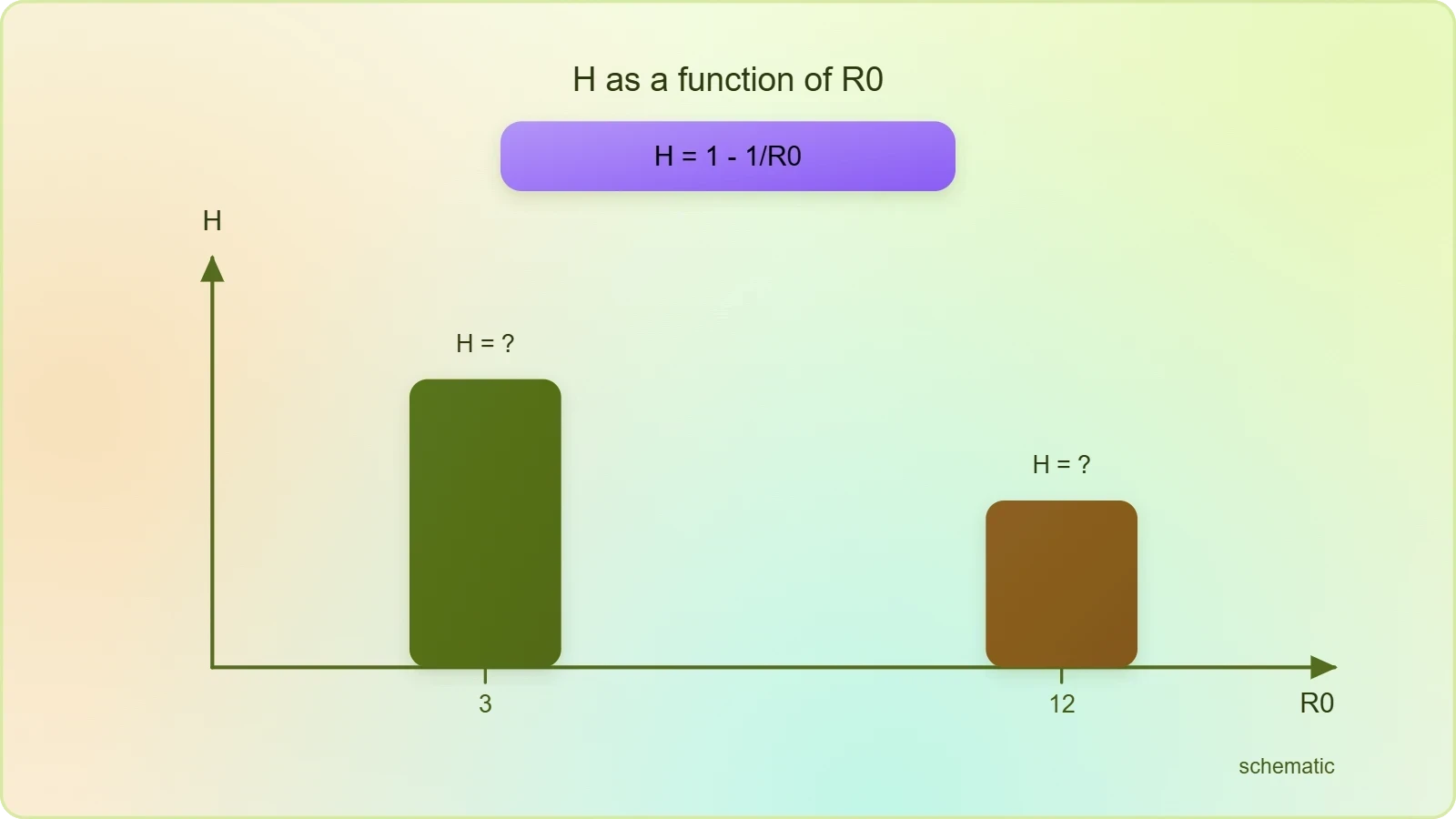
Worked numerical examples make the herd immunity concept tangible. Suppose a viral pathogen has ##R_0 = 3##. The threshold is ##H = 1 - 1/3 \approx 0.667##, so roughly sixty-seven percent of the population must be immune to interrupt transmission. If ##R_0 = 12##, as with measles, then ##H = 1 - 1/12 \approx 0.917##, requiring over ninety-one percent coverage. These calculations explain why measles outbreaks occur in communities with modest vaccination gaps, while diseases with lower ##R_0## are easier to control. Learners should practise these calculations with different values, because they reveal the non-linear relationship between transmissibility and required coverage—a small increase in ##R_0## can demand a disproportionately large increase in vaccination.
Common Mistakes to Avoid
Several misconceptions recur among learners. First, many assume antibiotics work against viruses; they do not, and using them for colds or flu contributes to resistance. Second, some believe that a disease is contagious only when symptoms are obvious; carriers like Typhoid Mary disprove this. Third, learners often confuse the transmission route with the site of infection—rhinoviruses infect the nose but are inhaled, while pneumonia infects the lungs via droplets. Fourth, the distinction between innate and acquired immunity is sometimes blurred; innate immunity is non-specific and present at birth, while acquired immunity is specific and develops after exposure. Finally, herd immunity is sometimes misunderstood as individual protection; it is a population phenomenon that protects those who cannot be vaccinated.
Looking Ahead: From Microbes to Parasites
This lesson has traced the landscape of bacterial and viral disease from structure to transmission to prevention, and it has introduced the immune principles that underpin vaccination and herd immunity. The next lesson moves to protozoan and helminthic diseases, which present a different set of challenges. Protozoans such as Plasmodium, the cause of malaria, and Entamoeba histolytica, the cause of amoebiasis, are eukaryotic pathogens with complex life cycles, sometimes requiring two hosts. Helminths such as Ascaris and Wuchereria are multicellular parasites that cause ascariasis and filariasis respectively. These organisms are larger and more complex than bacteria and viruses, and their control often depends on vector management and sanitation rather than vaccines alone.
The foundations laid here—transmission routes, prevention logic, immunity, and the evolutionary arms race—will transfer directly. Malaria, for instance, is transmitted by the female Anopheles mosquito, so the vector-control measures discussed in this lesson apply. Amoebiasis spreads through contaminated food and water, so the sanitation measures apply. The immune concepts of innate and acquired immunity will help explain why repeated exposure to malaria can produce partial immunity, and why vaccine development against parasites is so difficult. Learners who have mastered the bacterial and viral material will find the parasite lesson far more accessible, because the underlying principles are the same even as the organisms become more complex.
To consolidate the lesson, consider writing a short comparative summary in code-like pseudocode, a technique that helps programmers and biology students alike organise their reasoning. The structure below maps symptoms to likely pathogen class and intervention, reinforcing the decision logic developed throughout this lesson.
def classify_infection(symptoms, route):
    if "alveoli fluid" in symptoms and route == "airborne":
        return "Bacterial pneumonia: antibiotics + oxygen"
    elif "nasal congestion" in symptoms and route == "droplet/fomite":
        return "Viral cold: supportive care, no antibiotics"
    elif "sustained fever" in symptoms and route == "food/water":
        return "Typhoid: antibiotics + sanitation investigation"
    elif "watery diarrhoea" in symptoms and route == "water":
        return "Cholera: oral rehydration + antibiotics"
    else:
        return "Further investigation required"
Such structured thinking mirrors how clinicians and public health officials reason under uncertainty. The lesson's central message is that bacterial and viral diseases, though distinct in biology, share a common logic of transmission and prevention. Mastery of that logic—not memorisation of lists—is what allows learners to reason about new pathogens, emerging outbreaks, and the steady pressure of antibiotic resistance. As the course proceeds to protozoans and helminths, the same analytical habits will prove indispensable, and the immunity concepts introduced here will deepen as we examine how parasites evade the very defences that protect us from bacteria and viruses.
From our network :
- Where to Put Your Wireless Router for Better CoverageA practical, physics-grounded guide to router placement: why the centre of the home beats the corner, how walls and metal sap signal, and how to run a simple survey that proves the improvement.
- EV 2.0: The Solid-State Battery Breakthrough and Global Factory ExpansionDiscover the impact of the Solid-State Battery Breakthrough on the EV market. Learn about CATL and BYD stock growth, global factory expansion in Europe, and the future of EV 2.0 technology.
- 10 Physics Numerical Problems with Solutions for IIT JEEPrepare for IIT JEE with 10 physics numerical problems, complete with detailed solutions and conceptual explanations. Ideal for mastering kinematics, thermodynamics, electromagnetism, and optics.
- Trump Political Strategy How Geopolitical Stunts Serve As Media Diversions
- Analyzing Trump Deportation Numbers Insights Into The 2026 Immigration Crackdown
- 98% of Global MBA Programs Now Prefer GRE Over GMAT Focus EditionExplore why 98% of global MBA programs now prefer the GRE over GMAT Focus. Learn about the shorter GRE format, verbal logic importance, and strategic versatility for students.
- AI-Powered 'Precision Diagnostic' Replaces Standard GRE Score ReportsDiscover the new GRE Precision Diagnostic. Learn how AI-powered behavioral analytics and time-to-solve tracking are replacing standard GRE score reports to empower students.
- How to Print Cheaply: Cutting the Cost per PageA practical, measured guide to lowering what each printed page costs — duplex and draft modes, third-party ink, yield mathematics, and knowing when a new printer beats refills.
- Do You Need a New Router or Is Your Internet Plan the Problem?A practical comparison of the signs that point to router limits versus signs your broadband speed or provider is the bottleneck, so you can decide what to replace before spending money.
RESOURCES
- About Ticks and Tickborne Disease - CDCcdc.govMay 15, 2024 ... Centers for Disease Control and Prevention. ... In the United States, ticks can spread bacteria, viruses, and parasites (pathogens) that…
- The global burden of bacterial and viral zoonotic infections - PubMedpubmed.ncbi.nlm.nih.govMeSH terms. Animals; Bacterial Infections / epidemiology*; Bacterial Infections / prevention & control; Bacterial Infections / transmission; Global Health ...
- Vector-borne diseases - World Health Organization (WHO)who.intSep 26, 2024 ... They can be caused by either parasites, bacteria or viruses. Malaria is a parasitic infection transmitted by Anopheline mosquitoes. It…
- Principles of Infectious Diseases: Transmission, Diagnosis ... - PMCpmc.ncbi.nlm.nih.gov... prevent pathogenic bacteria from taking up residence. The innate and ... bacterial and viral conjunctivitis (a.k.a. pink eye) and Ebola virus disease.
- Sexually transmitted diseases (STDs) - Symptoms and causesmayoclinic.orgSep 8, 2023 ... They are spread mainly by sexual contact. STIs are caused by bacteria, viruses or parasites. A sexually transmitted infection may…
- Review of bacterial and viral zoonotic infections transmitted by dogspmc.ncbi.nlm.nih.govPost exposure prophylaxis with frequent doses of human rabies immunoglobulin (HRIG) within 14 days after the suspected dog bite can prevent the disease. Washing ...
- Viral Infection: Causes, Symptoms, Tests & Treatmentmy.clevelandclinic.orgOct 15, 2026 ... Viral infections spread differently depending on the type. You can ... Is it a bacterial or viral infection? Learn how…
- Sexually Transmitted Infections - StatPearls - NCBI Bookshelfncbi.nlm.nih.govSexually transmitted infections can be bacterial, viral, or parasitic. STIs ... The efficacy of antiviral therapy in preventing viral transmission in ...
- Tick- and Mosquito-borne Diseases | Health & Human Serviceshhs.iowa.govVector-borne diseases are bacterial and viral diseases transmitted by mosquitoes, ticks and other insects. Learn about symptoms, prevention, and care in ...
- Sexually Transmitted Infections | MedlinePlusmedlineplus.govJul 15, 2025 ... HPV · Pubic lice · Syphilis · Trichomoniasis. What causes sexually transmitted infections (STIs)?. STIs can be caused by bacteria,…
- Viral Diseases: Transmission, Prevention, and Notable Exampleslongdom.orgViruses can infect humans, animals, plants, and even bacteria, resulting in a wide range of diseases and health complications. This article aims in discussing ...
- Viral? Bacterial? Fungal? What Are The Different Types of Infections?sepsis.orgMar 11, 2021 ... ... spread. Unlike bacteria, viruses need ... The most common parasitic infections, according to the Centers for Disease Control and…
- Diseases that can be Transmitted by Ticks - MN Dept. of Healthhealth.state.mn.usMar 5, 2026 ... Lyme disease, caused by Borrelia burgdorferi and Borrelia mayonii, is a potentially serious bacterial infection affecting both humans and ...
- Diseases with horse to human transmissionceh.vetmed.ucdavis.eduHere's a quick refresher on some bacterial, fungal, parasitic and viral diseases ... preventing the spread of the disease. Conditions that are less ...