Every summer evening, the familiar whine of a mosquito signals more than an annoyance; it represents one of nature's most sophisticated chemical communication systems. Recent research published on August 28, 2026, has illuminated a fascinating biological truth: the bacteria residing on human skin produce volatile chemical compounds that dictate which mosquito species find us irresistible. This discovery transforms our understanding of pest attraction from a simple matter of blood type or body heat into a complex biochemical dialogue between microbial ecosystems and insect sensory biology.
The intersection of microbiology and organic chemistry revealed in this research offers profound implications for both scientific understanding and practical applications. When skin-resident bacteria metabolize the lipids, amino acids, and other compounds secreted through our sweat glands, they generate a distinctive chemical signature. Different bacterial communities produce different volatile organic compounds, creating a personalized olfactory beacon that certain mosquito species have evolved to detect with remarkable precision. This chemical fingerprint explains why some individuals attract mosquitoes disproportionately while others remain relatively untouched.
For educators and students alike, this research exemplifies the growing importance of interdisciplinary thinking in modern science. The traditional boundaries separating biology, chemistry, and even physics have become increasingly artificial as researchers uncover the molecular mechanisms governing ecological relationships. Understanding how bacterial metabolism produces chemical attractants requires fluency in organic chemistry, microbiology, and sensory neuroscience simultaneously. This article explores the comprehensive meaning of this research, its chemical foundations, and its broader implications for science education and public health.
On This Page
- The Chemical Language of Skin: Bacterial Metabolism and Volatile Signaling
- Organic Chemistry Foundations: The Molecular Structures Behind Attraction
- Interdisciplinary Implications: Microbiology, Chemistry, and Modern Science Education
- Bridging Disciplinary Boundaries: The New Scientific Paradigm
- Public Health Applications: From Chemical Ecology to Disease Prevention
- Future Research Directions: Unanswered Questions and Emerging Technologies
- Key Volatile Compounds in Mosquito Attraction
- Quantitative Analysis: Mathematical Models of Chemical Signaling
- Mathematical Parameters in Mosquito Chemical Ecology
The Chemical Language of Skin: Bacterial Metabolism and Volatile Signaling
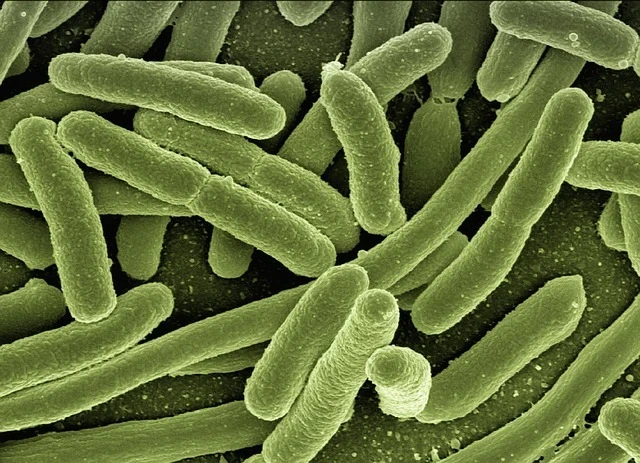
Human skin hosts a diverse microbial community numbering in the billions, with each individual harboring a unique bacterial ecosystem determined by genetics, environment, and personal habits. These microorganisms do not merely coexist passively; they actively metabolize the nutrients available on the skin surface, transforming relatively odorless precursors into highly volatile chemical messengers. The resulting compounds form a complex chemical language that mosquitoes have evolved to interpret with astonishing accuracy over millions of years of coevolution.
Research has demonstrated that different bacterial species produce distinctly different volatile profiles when cultured on artificial skin media. Staphylococcus, Corynebacterium, and Pseudomonas species each generate characteristic arrays of carboxylic acids, aldehydes, ketones, and alcohols. The relative abundance of these bacterial genera on an individual's skin directly correlates with their attractiveness to specific mosquito species, suggesting that microbial community composition serves as the primary determinant of human olfactory signatures.
Volatile Organic Compounds: The Molecular Vocabulary of Attraction
The chemical compounds responsible for mosquito attraction belong primarily to the class of volatile organic compounds, small molecules with molecular weights typically below 300 daltons that readily evaporate at skin temperature. Carboxylic acids, particularly lactic acid and various fatty acids, have emerged as particularly significant attractants. These compounds arise directly from bacterial fermentation of sweat components, including the amino acid precursors and lipid substrates that accumulate on the skin surface throughout the day.
Quantitative analysis of skin emissions reveals remarkable chemical diversity, with over 300 distinct volatile compounds identified across human populations. However, only a subset of these compounds appears to function as meaningful mosquito attractants. The specific combination and relative concentration of compounds, rather than the presence of any single molecule, determines the overall attractiveness of an individual. This combinatorial chemistry explains why simple correlations between single compounds and mosquito attraction often prove inconsistent across studies.
The chemical ecology of mosquito attraction operates through a dose-response relationship that researchers have characterized using electrophysiological recordings from mosquito antennae. When exposed to increasing concentrations of specific volatile compounds, mosquito sensory neurons exhibit characteristic firing patterns that correlate with behavioral attraction. These dose-response curves reveal that mosquitoes possess remarkable sensitivity, detecting certain compounds at concentrations as low as parts per billion, comparable to a single drop of scent dispersed throughout an Olympic-sized swimming pool.
Temperature and humidity modulate the volatility of these chemical signals, explaining why mosquito activity peaks during warm, humid conditions. Higher temperatures increase the vapor pressure of volatile compounds, releasing more molecules into the surrounding air and creating a stronger chemical plume for mosquitoes to follow. Conversely, dry conditions reduce compound volatility, diminishing the effective range of the chemical signal and potentially explaining reduced mosquito activity during drought periods.
Species-Specific Preferences: Decoding Differential Attraction Patterns
The August 2026 research revealed that different mosquito species exhibit distinct preferences for different bacterial chemical signatures. Aedes aegypti, the primary vector for dengue and Zika viruses, shows strong attraction to compounds produced by Staphylococcus bacteria. Meanwhile, Anopheles gambiae, the malaria vector, demonstrates heightened sensitivity to volatile profiles characteristic of Corynebacterium-dominated skin communities. These species-specific preferences suggest that each mosquito species has evolved to exploit particular chemical niches.
Evolutionary analysis indicates that mosquito olfactory receptors have undergone significant diversification to detect the specific compounds produced by their preferred bacterial hosts. Genomic studies have identified expanded families of odorant receptor genes in mosquito species that correlate with their host preferences. This genetic adaptation represents an ongoing evolutionary arms race, as humans and mosquitoes continuously adjust their chemical communication and detection capabilities in response to one another.
Behavioral assays conducted under controlled laboratory conditions have quantified these species-specific preferences with remarkable precision. When offered a choice between artificial skin substrates colonized by different bacterial species, mosquitoes consistently orient toward their preferred bacterial community. These choice tests demonstrate that bacterial identity, rather than the human host's genetics directly, determines mosquito attraction patterns. However, host genetics indirectly influence attraction by shaping which bacterial species colonize the skin.
Field studies have validated these laboratory findings, demonstrating that individuals with higher populations of attractive bacterial species experience significantly more mosquito bites in natural settings. Longitudinal tracking of human volunteers across mosquito seasons revealed consistent individual attractiveness rankings, suggesting that skin microbiome composition remains relatively stable over time. This stability explains why some people report chronic mosquito problems while others rarely experience bites despite similar exposure levels.
Chemical Ecology in Context: From Skin Surface to Mosquito Sensory System
The journey of a chemical signal from bacterial metabolism to mosquito behavioral response involves multiple physical and biological transformations. Initially, bacteria produce volatile compounds that must diffuse through the skin's lipid layer and evaporate into the surrounding air. The resulting chemical plume then disperses according to atmospheric physics, creating concentration gradients that mosquitoes can navigate. Understanding this complete pathway requires integrating microbiology, physical chemistry, and fluid dynamics.
Mosquitoes detect these chemical signals using specialized sensory structures called sensilla, located primarily on their antennae and maxillary palps. Each sensillum contains olfactory receptor neurons expressing specific receptor proteins that bind particular volatile compounds. When a compound binds to its cognate receptor, it triggers a signal transduction cascade that ultimately produces an electrical signal transmitted to the mosquito's brain, where integration of multiple sensory inputs determines behavioral output.
The sensitivity of mosquito olfactory systems approaches theoretical physical limits, with single receptor neurons capable of responding to individual odorant molecules. This extraordinary sensitivity has evolved to enable mosquitoes to locate hosts from considerable distances, with some species detecting human chemical signatures from over 50 meters away. The combination of extreme sensitivity and species-specific receptor tuning creates a highly efficient host-location system that has made mosquitoes among the most successful predators of human blood.
Recent advances in structural biology have begun to reveal the molecular details of mosquito odorant receptor function. Cryo-electron microscopy studies have captured receptor proteins in various conformational states, illuminating how compound binding triggers the conformational changes necessary for signal transduction. These structural insights provide a foundation for rational design of mosquito repellents that could block receptor activation without the toxicity concerns associated with current chemical repellents.
Organic Chemistry Foundations: The Molecular Structures Behind Attraction
The volatile compounds mediating mosquito attraction belong to several well-characterized chemical families, each with distinct structural features that influence their volatility and receptor interactions. Carboxylic acids, characterized by their carboxyl functional group, represent the most extensively studied class of mosquito attractants. Lactic acid, produced through bacterial fermentation of glucose, and various medium-chain fatty acids derived from sebum metabolism constitute the primary carboxylic acid attractants identified to date.
Understanding the structure-activity relationships governing mosquito receptor activation requires detailed knowledge of organic chemistry principles. The chain length, degree of unsaturation, and functional group positioning all influence how effectively a compound binds to mosquito olfactory receptors. Systematic structure-activity studies have revealed that optimal receptor activation occurs within specific chain length ranges, with compounds containing 8 to 12 carbon atoms generally exhibiting the strongest attractant properties.
Carboxylic Acids and Their Derivatives: Structure Determines Function
The carboxylic acid functional group consists of a carbonyl carbon bonded to a hydroxyl group, creating a structure capable of both hydrogen bonding and electrostatic interactions. These chemical properties enable carboxylic acids to interact specifically with amino acid residues in mosquito receptor binding pockets. The acid dissociation constant, pKa, determines the ionization state at physiological pH, influencing how effectively the compound partitions between aqueous and gaseous phases.
Bacterial metabolism produces carboxylic acids through multiple biochemical pathways. Lactic acid arises from anaerobic glycolysis, while various fatty acids result from lipase-mediated hydrolysis of triglycerides present in sebum. The specific bacterial species colonizing skin determine which metabolic pathways predominate, thereby controlling the profile of carboxylic acids released. Staphylococcus species particularly excel at producing lactic acid, explaining their strong association with Aedes mosquito attraction.
Chemical analysis using gas chromatography-mass spectrometry has enabled researchers to quantify individual carboxylic acids in skin emissions with parts-per-billion sensitivity. These analytical measurements reveal that total carboxylic acid concentration correlates strongly with mosquito attraction, although the specific compound profile matters more than absolute quantity. Individuals producing high levels of certain branched-chain fatty acids, such as 3-methylbutanoic acid, demonstrate particularly strong attraction for multiple mosquito species.
The volatility of carboxylic acids depends on their molecular weight and hydrogen bonding capacity. Shorter-chain acids, such as acetic and propionic acid, exhibit high volatility but weak receptor activation. Longer-chain acids demonstrate stronger receptor interactions but reduced volatility, limiting their effective signaling range. This trade-off between volatility and receptor affinity has driven evolutionary optimization of the specific compounds mosquitoes detect, favoring intermediate chain lengths that balance both properties.
Ammonia and Amines: Nitrogen-Containing Attractants
Beyond carboxylic acids, nitrogen-containing compounds represent a second major class of mosquito attractants. Ammonia, produced through bacterial deamination of amino acids, serves as a potent attractant for many mosquito species. The basic nitrogen atom in ammonia and its organic derivatives, the amines, enables these compounds to interact with acidic amino acid residues in receptor binding sites through electrostatic interactions and hydrogen bonding.
Bacterial urease enzymes catalyze the hydrolysis of urea present in sweat, generating ammonia and carbon dioxide. This enzymatic activity varies significantly among bacterial species, with some skin commensals producing substantially more ammonia than others. The resulting ammonia concentration gradient provides mosquitoes with a reliable chemical cue indicating the presence of a metabolically active bacterial community, which correlates with host suitability.
Amines, formed through bacterial decarboxylation of amino acids, exhibit species-specific attractant properties. Cadaverine and putrescine, produced from lysine and ornithine respectively, signal bacterial decomposition activity. While these compounds typically indicate decaying organic matter, their presence on skin reflects bacterial community activity that mosquitoes have learned to associate with blood meal opportunities. The specific amine profile provides additional information about bacterial community composition.
Quantitative structure-activity relationship studies have examined how amine structure influences mosquito receptor activation. Primary, secondary, and tertiary amines exhibit different receptor binding affinities, with the degree of substitution affecting both basicity and steric interactions. These studies have revealed that mosquito receptors possess distinct binding pockets for different amine classes, suggesting that mosquitoes can discriminate between various nitrogen-containing compounds with considerable precision.
Chemical Synthesis and Repellent Development: Translating Chemistry to Applications
Understanding the molecular basis of mosquito attraction has enabled rational design of repellent compounds that interfere with chemical communication. DEET, the most widely used mosquito repellent, functions by blocking mosquito olfactory receptors rather than by creating an unpleasant odor barrier as historically believed. This mechanistic understanding has opened new avenues for developing repellents with improved efficacy and reduced toxicity profiles.
Structure-based drug design approaches have identified novel compounds that bind mosquito odorant receptors with higher affinity than natural attractants without triggering receptor activation. These antagonists effectively occupy the receptor binding site, preventing natural attractants from initiating signal transduction. Computational screening of chemical libraries has identified multiple promising lead compounds that demonstrate potent repellent activity in laboratory bioassays.
The development of spatial repellents, which create zones of protection rather than requiring direct skin application, represents an active area of research. These formulations release volatile compounds that either repel mosquitoes or mask human chemical signatures over defined areas. Understanding the atmospheric dispersion of volatile compounds has enabled optimization of release rates to maintain effective concentrations throughout the protected zone.
Integration of chemical ecology principles with materials science has produced controlled-release formulations that maintain repellent efficacy for extended periods. Microencapsulation technologies protect volatile active ingredients from degradation while enabling sustained release according to predetermined kinetics. These advanced formulations promise to improve mosquito protection in resource-limited settings where vector-borne diseases remain significant public health threats.
We Also Published
Interdisciplinary Implications: Microbiology, Chemistry, and Modern Science Education
The mosquito attraction research exemplifies the increasingly interconnected nature of modern scientific inquiry, where meaningful discoveries emerge at the boundaries between traditional disciplines. Understanding how skin bacteria influence mosquito behavior requires simultaneous expertise in microbiology, organic chemistry, sensory biology, and ecology. This interdisciplinary character reflects broader trends in scientific research, where complex problems demand integrated approaches that transcend conventional departmental boundaries.
For science educators, this research provides an compelling case study demonstrating how fundamental chemical principles apply to real-world biological problems. Students can explore how bacterial metabolism produces specific organic compounds, how molecular structure determines volatility and receptor binding, and how these chemical signals influence ecological relationships. This integrated approach helps students develop the conceptual flexibility necessary for addressing twenty-first-century scientific challenges.
Bridging Disciplinary Boundaries: The New Scientific Paradigm
Traditional science education has historically separated biology, chemistry, and physics into distinct courses with limited cross-referencing. However, contemporary research increasingly demonstrates that significant discoveries occur at disciplinary interfaces, requiring scientists to possess conceptual fluency across multiple fields. The mosquito attraction research illustrates how chemical principles illuminate biological phenomena, while biological questions drive development of new chemical analytical methods.
Curriculum reform efforts have begun incorporating interdisciplinary modules that explicitly connect chemical concepts to biological applications. These educational innovations help students recognize that organic chemistry provides the molecular language through which biological systems communicate. Understanding bacterial production of volatile compounds requires knowledge of metabolic pathways, enzyme catalysis, and organic reaction mechanisms, demonstrating the inseparability of chemical and biological understanding.
Research training programs increasingly emphasize cross-disciplinary exposure, encouraging students to develop expertise spanning multiple traditional fields. The most successful research groups studying mosquito chemical ecology include members trained in chemistry, microbiology, neuroscience, and computational biology. This diversity of expertise enables comprehensive investigation of problems that would remain intractable within any single disciplinary framework.
Funding agencies have recognized the importance of interdisciplinary research through dedicated grant programs supporting collaborative projects spanning traditional boundaries. These initiatives acknowledge that complex problems such as mosquito-borne disease transmission require integrated approaches combining molecular understanding with ecological and behavioral perspectives. The resulting research has produced insights that would be unattainable through purely disciplinary investigation.
Public Health Applications: From Chemical Ecology to Disease Prevention
Mosquito-borne diseases including malaria, dengue, Zika, and West Nile virus collectively cause hundreds of millions of infections and over one million deaths annually. Understanding the chemical ecology of mosquito attraction provides new opportunities for disease prevention through targeted intervention strategies. Manipulating skin microbiomes to reduce production of attractant compounds represents a novel approach that could complement existing vector control methods.
Probiotic interventions designed to alter skin bacterial communities toward less attractive compositions have shown promise in preliminary studies. By introducing bacterial strains that outcompete attractive species or that metabolize attractant precursors differently, researchers hope to reduce individual attractiveness to mosquitoes. This microbiome-based approach offers potential advantages over chemical repellents, including longer duration of effect and reduced environmental contamination.
Diagnostic applications of chemical ecology research include development of mosquito attractant traps that exploit natural chemical signals. These traps incorporate synthetic blends of volatile compounds that replicate human chemical signatures, attracting mosquitoes more effectively than carbon dioxide alone. Improved trap technology enhances surveillance programs monitoring mosquito populations and pathogen transmission risk in endemic regions.
Public health messaging informed by chemical ecology research can help individuals reduce their mosquito attractiveness through behavioral modifications. Understanding that bacterial metabolism produces attractants suggests that antimicrobial soaps might temporarily reduce attractiveness by decreasing bacterial populations. However, research indicates that bacterial communities rapidly recolonize skin, suggesting that more sophisticated approaches targeting specific metabolic pathways may prove more effective.
Future Research Directions: Unanswered Questions and Emerging Technologies
Despite significant advances, many questions regarding the chemical ecology of mosquito attraction remain unanswered. The complete repertoire of volatile compounds produced by skin bacteria has not been fully characterized, with analytical limitations preventing detection of trace compounds that may nonetheless influence mosquito behavior. Advances in analytical chemistry, including improved mass spectrometry sensitivity and comprehensive two-dimensional gas chromatography, promise to expand the detectable chemical space.
Understanding how bacterial community dynamics respond to environmental and physiological changes represents another important research frontier. Diet, medication use, hormonal status, and climate all influence skin bacterial communities, potentially altering individual attractiveness over time. Longitudinal studies tracking both microbiome composition and mosquito attraction across diverse populations will clarify these relationships and identify modifiable factors affecting mosquito exposure risk.
Genetic manipulation of skin bacteria to eliminate attractant production while maintaining beneficial functions offers a futuristic approach to mosquito control. CRISPR-based engineering could potentially modify bacterial metabolic pathways to prevent production of specific attractant compounds. However, such approaches raise regulatory and ethical questions that will require careful consideration before implementation.
Integration of chemical ecology research with climate change projections will help predict future mosquito-borne disease transmission patterns. As global temperatures rise, mosquito habitats expand into previously temperate regions, exposing new populations to vector-borne pathogens. Understanding how temperature affects volatile compound production and mosquito sensory physiology will improve predictive models of disease emergence and guide public health preparedness efforts.
Quantitative Analysis: Mathematical Models of Chemical Signaling
The chemical signaling system mediating mosquito attraction can be described mathematically using principles from physical chemistry and population dynamics. The concentration of volatile compounds at a given distance from the skin surface follows diffusion equations that depend on compound volatility, air currents, and environmental conditions. These mathematical models enable prediction of the effective range of chemical signals and optimization of trap placement for vector surveillance.
Consider the diffusion of a volatile compound from the skin surface into still air. The concentration ##[C(r,t)]## at radial distance ##[r]## and time ##[t]## follows Fick's second law of diffusion. For a point source releasing compound at constant rate ##[Q]##, the steady-state concentration profile is given by the solution to the diffusion equation in spherical coordinates.
Here, ##[D]## represents the diffusion coefficient of the compound in air, and ##[\lambda]## denotes the characteristic decay length accounting for compound degradation or adsorption. This equation demonstrates that concentration decreases inversely with distance from the source, explaining why mosquitoes must navigate concentration gradients to locate hosts. The exponential term accounts for compound loss through chemical reactions or deposition on surfaces.
The detection threshold of mosquito olfactory receptors establishes the maximum distance at which a host can be detected. Setting the concentration equal to the detection threshold ##[C_{th}]## and solving for distance yields the effective detection range. For typical volatile compounds with diffusion coefficients around ##[0.1 \text{ cm}^2/\text{s}]## and release rates of ##[10 \text{ ng/s}]##, detection ranges of 10 to 50 meters are predicted, consistent with field observations.
Population-level models incorporate individual variation in compound release rates to predict mosquito biting patterns across human populations. If compound release rates follow a log-normal distribution across individuals, the fraction of mosquito bites received by the most attractive quartile of the population can be calculated. These models demonstrate that mosquito bites are highly concentrated among a minority of individuals, with the most attractive 20 percent receiving over 80 percent of bites in some settings.
Chemical reaction kinetics govern the degradation of volatile compounds in the atmosphere, influencing the persistence of chemical signals. Many carboxylic acids undergo photochemical oxidation when exposed to sunlight, with reaction rate constants depending on the specific compound structure. The half-life of attractant compounds ranges from minutes to hours, determining how long chemical signals persist in the environment and influencing the temporal dynamics of mosquito host-seeking behavior.
Statistical analysis of mosquito behavioral responses to chemical stimuli employs dose-response models derived from pharmacological principles. The probability of mosquito attraction as a function of compound concentration follows a sigmoidal relationship described by the Hill equation. This mathematical framework enables quantitative comparison of compound efficacy and identification of synergistic interactions between multiple attractant compounds present in natural skin emissions.
Understanding the mathematics of chemical signaling enables optimization of mosquito control strategies. Trap placement models incorporate diffusion equations to determine optimal spacing for maximizing mosquito capture rates. Similarly, mathematical models of repellent efficacy predict the duration of protection based on compound volatility and skin absorption kinetics, guiding development of formulations with extended duration of action.
The interdisciplinary nature of this research extends to computational modeling approaches that integrate chemical, biological, and ecological data. Agent-based models simulate individual mosquito behavior in response to spatially heterogeneous chemical environments, enabling prediction of movement patterns and host-seeking success rates. These computational approaches complement experimental studies and provide a framework for testing hypotheses that would be impractical to examine empirically.
From our network :
- Vite 6/7 'Cold Start' Regression in Massive Module Graphs
- https://www.themagpost.com/post/analyzing-trump-deportation-numbers-insights-into-the-2026-immigration-crackdown
- Mastering DB2 12.1 Instance Design: A Technical Deep Dive into Modern Database Architecture
- 10 Physics Numerical Problems with Solutions for IIT JEE
- https://www.themagpost.com/post/trump-political-strategy-how-geopolitical-stunts-serve-as-media-diversions
- 98% of Global MBA Programs Now Prefer GRE Over GMAT Focus Edition
- Mastering DB2 LUW v12 Tables: A Comprehensive Technical Guide
- EV 2.0: The Solid-State Battery Breakthrough and Global Factory Expansion
- AI-Powered 'Precision Diagnostic' Replaces Standard GRE Score Reports
RESOURCES
- Differential attraction of malaria mosquitoes to volatile blends ...pubmed.ncbi.nlm.nih.govDec 30, 2010 ... The malaria mosquito Anopheles gambiae sensu stricto is mainly guided by human odour components to find its blood host. Skin…
- Differential mosquito attraction to humans is associated with skin ...sciencedirect.comOct 27, 2022 ... Chemical analysis revealed that highly attractive people produce significantly more carboxylic acids in their skin emanations. Mutant mosquitoes ...
- Chemical ecology of interactions between human skin microbiota ...pubmed.ncbi.nlm.nih.gov... bacterial species on the human skin may explain the variation in mosquito attraction between humans. Detailed knowledge of the ecology and genetics of…
- Human skin chemistry shapes species-specific mosquito attraction ...news-medical.netAug 7, 2026 ... ... bacteria, fungi and microbes naturally living on people's skin. Some bacterial families were a green light to feed; others…
- Composition of Human Skin Microbiota Affects Attractiveness to ...pmc.ncbi.nlm.nih.govDec 28, 2011 ... ... chemicals that interfere with attraction ... Differential attraction of malaria mosquitoes to volatile blends produced by human skin bacteria.
- Your skin chemistry may affect which mosquitoes most want to bite yousciencenews.org6 days ago ... albopictus was attracted to 13 chemicals with plantlike odors. Certain skin bacteria were present in all three high-attraction groups ...
- A volatile from the skin microbiota of flavivirus-infected ... - Cell Presscell.comJun 30, 2022 ... ... skin bacteria in mosquito ... Identification of human-derived volatile chemicals that interfere with attraction of Aedes aegypti mosquitoes.
- Competition matters: using in vitro community models to study the ...frontiersin.orgMay 24, 2023 ... The human skin bacteria play an important role in the production of volatiles that attract mosquitoes. Using some of the…
- Identification of human skin microbiome odorants that manipulate ...pmc.ncbi.nlm.nih.govAug 29, 2023 ... ... chemicals and/or bacterial cultures ... Differential attraction of malaria mosquitoes to volatile blends produced by human skin bacteria.
- Skin compounds associated with attractiveness to mosquitoes - NIHnih.govNov 1, 2022 ... People with higher levels of compounds called carboxylic acids on their skin were more attractive to mosquitoes, and remained so…
- Skin microbiome alters attractiveness to Anopheles mosquitoeslink.springer.comApr 11, 2022 ... Applying chemical ecology techniques to identify mVOCs in body odour and correlating these with bacteria on the skin can be…
- Mosquito Behavior and Vertebrate Microbiota Interaction - Frontiersfrontiersin.orgDec 8, 2020 ... ... chemical communication, such as mosquito ... ). Differential attraction of malaria mosquitoes to volatile blends produced by human skin…
- Dengue Fever and Zika Virus Make Humans More Attractive to ...smithsonianmag.comJun 30, 2022 ... ... mosquito cage, the mosquitoes flocked towards the chemical laden hand. ... “If you think of skin bacteria that attract…
- Engineered skin microbiome reduces mosquito attraction to miceacademic.oup.comJul 30, 2024 ... Chemistry · Civil and ... To determine whether engineered skin bacteria could reduce mosquito attraction, we first developed strains of…
- Skin bacteria affect how attractive we smell to malarial mosquitoesnationalgeographic.comDec 28, 2011 ... Skin bacteria are our own natural perfumers. They convert chemicals on our skin into those that can easily rise into…



0 Comments