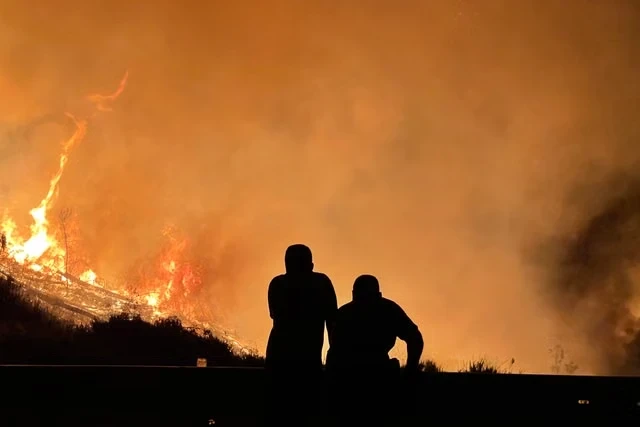
Wildfire smoke has long been treated as a single, monolithic pollutant in atmospheric chemistry models, but emerging research from NOAA reveals a far more intricate reality. The September 2026 findings challenge the assumption that smoke plumes dominate nitrous acid (HONO) production in the atmosphere, suggesting instead that the chemical interplay between combustion products, sunlight, and background air creates a dynamic system that defies simple categorization. This complexity carries profound implications for how scientists model air quality, how regulators allocate pollution controls, and how public health officials estimate the true burden of wildfire exposure on vulnerable communities.
Nitrous acid occupies a unique position in atmospheric chemistry as a primary source of hydroxyl radicals, the atmosphere's chief oxidizing agent that governs the lifetime of methane, ozone precursors, and countless other trace gases. When wildfire smoke was presumed to be the dominant HONO source, models could conveniently attribute elevated oxidant levels to fire activity alone. The NOAA research dismantles this convenience by demonstrating that smoke chemistry is context-dependent, varying with plume age, solar radiation intensity, aerosol surface chemistry, and the presence of other anthropogenic pollutants. Understanding these nuances is not merely an academic exercise; it determines whether emission inventories, regulatory frameworks, and health impact assessments reflect physical reality or perpetuate systematic errors.
This analysis unpacks the chemical mechanisms underlying wildfire plume chemistry, examines why nitrous acid formation pathways are more diverse than previously recognized, and explores the cascading consequences for air quality modeling and policy design. By integrating recent peer-reviewed literature with the NOAA research signal, we illuminate the hidden complexity that governs how smoke transforms the atmosphere and why precision in chemical representation matters for protecting public health.
On This Page
- The Chemical Identity Crisis of Wildfire Smoke
- Why Nitrous Acid Matters for Atmospheric Chemistry
- Modeling Complexity: Beyond Single-Source Assumptions
- Health Implications of Mischaracterized Smoke Chemistry
- Policy Implications for Air Quality Management
- Quantitative Analysis of HONO Chemistry
- Future Research Directions and Observational Needs
- Conclusion: Embracing Chemical Complexity for Better Decisions
The Chemical Identity Crisis of Wildfire Smoke
Wildfire smoke is not a uniform chemical entity but a rapidly evolving mixture of thousands of compounds whose composition shifts continuously from the moment of combustion. The misconception that smoke behaves as a single pollution source stems from measurement limitations that historically aggregated complex mixtures into bulk particulate metrics. Modern analytical techniques, however, reveal that smoke chemistry is a moving target influenced by fuel type, combustion temperature, atmospheric dilution, and photochemical aging.
Nitrous acid formation within smoke plumes involves multiple competing pathways that respond differently to environmental conditions. Direct emission from combustion represents only one route, while heterogeneous reactions on aerosol surfaces and photolytic processes contribute significantly under specific circumstances. The NOAA research highlights that these secondary formation mechanisms can rival or exceed direct emissions, particularly in aged plumes where chemical processing has had time to operate.
Direct Emission Versus Secondary Formation
Combustion itself generates nitrous acid through high-temperature reactions involving nitrogen oxides and water vapor, yet the efficiency of this process varies dramatically with fire intensity. Smoldering combustion, characteristic of peat fires and dense forest understories, produces different nitrogen chemistry than the intense flaming phase of crown fires. These combustion regime differences translate into orders-of-magnitude variations in HONO emission factors that simple models cannot capture.
Secondary formation pathways operate on timescales of minutes to hours as plume constituents interact with atmospheric oxidants and solar radiation. The photolysis of nitrate aerosols, for instance, releases HONO when exposed to ultraviolet light, a mechanism that depends on aerosol composition and liquid water content. Similarly, the reduction of nitrogen dioxide on soot surfaces provides another heterogeneous route whose efficiency varies with particle aging and surface chemistry.
Field measurements from recent wildfire seasons demonstrate that HONO concentrations within plumes often exceed what direct emission inventories predict by substantial margins. This discrepancy points to active secondary production that models must incorporate to achieve realistic oxidant budgets. The NOAA research quantifies these contributions, showing that smoke is not necessarily the dominant HONO source even in regions heavily impacted by wildfire activity.
Background atmospheric conditions modulate these formation pathways in ways that complicate source attribution. Urban pollution transported into wildfire regions can supply additional nitrogen oxides that react with smoke constituents, creating synergistic effects absent in pristine air. Conversely, clean marine air masses may dilute plume chemistry, suppressing secondary formation that would otherwise occur.
The chemical identity of wildfire smoke thus emerges as a function of its environmental context rather than an intrinsic property of the combustion source itself. This realization demands that atmospheric models move beyond static emission factors toward dynamic representations that capture the full spectrum of chemical transformation processes operating within evolving plumes.
Photochemical Aging and Plume Evolution
Solar radiation drives the photochemical aging of smoke plumes, initiating reactions that convert primary emissions into secondary products with different atmospheric lifetimes and health impacts. The diurnal cycle of HONO production follows solar intensity, with peak concentrations typically observed during midday when ultraviolet radiation is strongest. This temporal pattern provides a diagnostic signature that distinguishes photochemical formation from direct emission, which would not exhibit such pronounced diurnal variation.
Plume dilution during transport reduces reactant concentrations but simultaneously increases the surface-area-to-volume ratio available for heterogeneous chemistry. These competing effects create a complex trajectory of chemical evolution that depends on meteorological conditions, plume height, and atmospheric stability. Elevated plumes injected into the free troposphere experience different chemical regimes than surface-level smoke that remains within the boundary layer.
Nighttime chemistry introduces additional complexity through reactions involving nitrate radicals, which can convert nitrogen oxides into reservoir species that release HONO upon sunrise. This nocturnal storage mechanism means that morning HONO peaks may reflect the previous night's chemistry rather than fresh emissions, confounding simple source attribution efforts. The NOAA research emphasizes that understanding these temporal dynamics is essential for accurate air quality forecasting.
Wet deposition and cloud processing further modify plume chemistry by removing soluble species and providing aqueous reaction media for additional transformations. Smoke that encounters convective clouds may undergo rapid chemical processing that alters its composition before eventual surface impact. These meteorological interactions create substantial variability in downwind HONO concentrations that purely emission-based models cannot reproduce.
Long-range transport extends the chemical evolution timescale to days, allowing even slow reaction pathways to contribute meaningfully to the final plume composition. Smoke from Canadian wildfires impacting the eastern United States, for example, has traversed thousands of kilometers and undergone extensive photochemical processing before reaching populated areas. The chemical state of such aged smoke bears little resemblance to fresh emissions, yet many regulatory models treat them equivalently.
Why Nitrous Acid Matters for Atmospheric Chemistry
Nitrous acid serves as the atmosphere's primary morning source of hydroxyl radicals, the molecule that initiates oxidation of most trace gases and pollutants. Without adequate HONO representation, photochemical models underestimate oxidant production, leading to inaccurate predictions of ozone formation and secondary aerosol generation. The implications extend to climate forcing calculations, since hydroxyl radical concentrations determine the atmospheric lifetime of methane, a potent greenhouse gas.
The hydroxyl radical, often called the atmosphere's detergent, reacts with virtually every trace gas emitted from natural and anthropogenic sources. Its concentration dictates how quickly pollutants are removed from the atmosphere and how efficiently secondary pollutants form. Nitrous acid photolysis represents a dominant pathway for hydroxyl production during early morning hours when other sources remain inactive, making accurate HONO representation essential for diurnal oxidant modeling.
Hydroxyl Radical Production and Oxidant Budgets
The photolysis of nitrous acid produces hydroxyl radicals with a quantum yield near unity, meaning nearly every absorbed photon generates a reactive oxidant molecule. This efficiency makes HONO photolysis a disproportionately important source despite its relatively low ambient concentrations compared to other nitrogen species. Atmospheric models that omit or underestimate this pathway systematically underpredict morning oxidant levels, cascading into errors throughout the day's photochemistry.
Ozone formation depends critically on the availability of hydroxyl radicals to initiate the oxidation of volatile organic compounds in the presence of nitrogen oxides. Under wildfire-influenced conditions, where both VOC and NOx emissions are elevated, accurate HONO representation becomes essential for predicting ozone exceedances. The NOAA research suggests that models treating smoke as the dominant HONO source may misallocate the relative contributions of fire emissions versus other regional sources.
Secondary organic aerosol formation similarly depends on hydroxyl radical concentrations, as oxidation products condense to form particulate matter. Wildfire smoke already contributes substantial primary organic aerosol, but secondary formation can double or triple the total aerosol burden downwind. Errors in HONO representation therefore propagate into particulate matter forecasts, affecting air quality advisories and health impact assessments.
Methane oxidation represents the largest sink for this greenhouse gas, with hydroxyl radicals responsible for approximately 90 percent of atmospheric methane removal. Regional changes in hydroxyl concentrations induced by wildfire plumes can therefore influence global methane lifetimes, creating a feedback between fire activity and climate forcing. Quantifying these effects requires chemical transport models with accurate HONO chemistry embedded within larger-scale simulations.
The interconnected nature of atmospheric oxidation chemistry means that HONO errors do not remain localized but propagate through the entire chemical system. A model that misrepresents morning hydroxyl production will generate incorrect ozone, aerosol, and methane fields that persist throughout the simulation. These systematic biases undermine confidence in policy-relevant predictions derived from such models.
Measurement Challenges and Observational Constraints
Measuring nitrous acid in the atmosphere presents substantial technical challenges due to its low concentrations, high reactivity, and tendency to adsorb onto sampling surfaces. Traditional measurement techniques often suffered from positive artifacts caused by heterogeneous conversion of nitrogen dioxide on inlet surfaces, leading to overestimates of ambient HONO. Modern instruments employing wet chemical methods or cavity-enhanced spectroscopy have reduced these artifacts but remain expensive and operationally demanding.
Field campaigns during wildfire events face additional logistical hurdles, including aircraft safety restrictions near active fires and the rapid spatial variability of plume chemistry. Satellite observations provide regional context but lack the vertical resolution and chemical specificity needed to constrain HONO sources. The NOAA research integrates multiple observational platforms to overcome these limitations and provide a more complete picture of wildfire plume chemistry.
Laboratory studies of smoke chemistry complement field measurements by isolating individual reaction pathways under controlled conditions. Flow tube reactors and environmental chambers allow researchers to probe heterogeneous reactions on model aerosol surfaces and quantify photolysis rates under simulated solar radiation. These laboratory constraints provide the mechanistic understanding necessary to interpret field observations and improve model parameterizations.
Intercomparison studies between different measurement techniques reveal residual discrepancies that complicate data interpretation. The atmospheric chemistry community has invested substantial effort in instrument intercalibration, yet uncertainties of 20 to 30 percent persist for ambient HONO measurements. These measurement uncertainties propagate into source attribution analyses, limiting the precision with which wildfire contributions can be quantified.
Despite these challenges, the observational record clearly demonstrates that HONO concentrations in wildfire plumes frequently exceed model predictions based on direct emission inventories alone. This consistent model-measurement gap points to missing secondary production mechanisms that must be incorporated into chemical transport models. The NOAA research represents a significant step toward closing this gap by identifying the specific pathways and conditions that govern HONO formation in smoke.
Modeling Complexity: Beyond Single-Source Assumptions
Atmospheric chemical transport models have historically represented wildfire emissions using static emission factors that assume a fixed relationship between fuel consumed and pollutants released. This approach treats smoke as a well-characterized source whose chemical behavior can be predicted from combustion conditions alone. The NOAA research demonstrates that this assumption fails for nitrous acid, whose atmospheric concentration depends on post-emission chemistry as much as on direct production.
Source apportionment techniques that attribute observed HONO concentrations to wildfire smoke versus other sources rely on model representations of both emission and chemistry. When models underestimate secondary HONO production from non-fire sources, they systematically overattribute observed concentrations to smoke. This misattribution leads to inflated estimates of wildfire contributions and correspondingly distorted policy responses.
Chemical Transport Model Limitations
Grid-based chemical transport models represent atmospheric chemistry at spatial resolutions of kilometers to tens of kilometers, averaging over substantial heterogeneity within each grid cell. Wildfire plumes, however, exhibit concentration gradients over meters to hundreds of meters, particularly near the fire front where emissions are most intense. This scale mismatch introduces representation errors that cannot be fully corrected through parameterization alone.
Gas-phase chemical mechanisms used in atmospheric models condense thousands of real reactions into hundreds of representative pathways, introducing approximations that affect HONO predictions. Heterogeneous reactions on aerosol surfaces, which play a critical role in HONO formation, are particularly difficult to represent because they depend on particle composition, phase state, and mixing state. Most models employ simplified uptake coefficients that fail to capture the variability observed in laboratory studies.
Aerosol microphysics adds another layer of complexity, as particle size distributions, number concentrations, and chemical composition evolve during plume transport. Coagulation, condensation, and evaporation processes alter the surface area available for heterogeneous chemistry, changing HONO production rates over time. Models that treat aerosol as a static background rather than a dynamic chemical medium miss these feedbacks.
Meteorological representation errors compound chemical uncertainties, as plume transport, mixing, and deposition depend on wind fields, boundary layer heights, and precipitation that are themselves imperfectly predicted. The interaction between chemical and meteorological processes creates coupled error growth that degrades forecast skill over time. Data assimilation techniques can partially correct these errors but require dense observational networks that rarely exist during wildfire events.
Computational constraints limit the complexity of chemistry that can be embedded in operational air quality models, forcing trade-offs between mechanistic detail and simulation speed. Reduced mechanisms that lump similar compounds together sacrifice chemical specificity for computational efficiency, potentially obscuring the very pathways that govern HONO formation. The NOAA research highlights the need for mechanism development that preserves essential chemistry without becoming computationally prohibitive.
Alternative Source Attribution Approaches
Isotopic analysis provides a powerful tool for distinguishing HONO sources by measuring the nitrogen and oxygen isotopic composition of ambient samples. Different formation pathways impart characteristic isotopic signatures that can be used to quantify source contributions without relying on emission inventories. Recent advances in analytical sensitivity have made isotopic source apportionment feasible for ambient HONO measurements, offering an observational constraint on model predictions.
Statistical receptor models, such as positive matrix factorization, identify source contributions by analyzing covariance patterns in time-resolved chemical measurements. These techniques require no prior knowledge of emission inventories but assume that source profiles remain constant over the analysis period. The chemical evolution of wildfire plumes violates this assumption, limiting the applicability of receptor models to fresh smoke near the source.
Lagrangian plume models that track individual air parcels as they evolve provide an alternative to Eulerian grid models for studying wildfire chemistry. These models can represent plume-scale gradients and chemical evolution with greater fidelity but require accurate meteorological trajectories and initial conditions. The NOAA research likely employs such approaches to interpret aircraft measurements collected within evolving smoke plumes.
Machine learning techniques are increasingly applied to source attribution problems, using observational data to train statistical models that predict HONO concentrations from meteorological and chemical predictors. These data-driven approaches can capture nonlinear relationships that mechanistic models miss but provide limited insight into underlying chemical mechanisms. Hybrid approaches that combine mechanistic understanding with statistical correction offer a promising path forward.
Regardless of the analytical approach employed, accurate source attribution requires recognition that wildfire smoke chemistry is not static but evolves continuously. The NOAA research underscores that treating smoke as a single pollution source obscures the dynamic chemical processes that determine its atmospheric impacts. Future modeling efforts must embrace this complexity to provide reliable guidance for air quality management.
We Also Published
Health Implications of Mischaracterized Smoke Chemistry
Air quality models that misrepresent wildfire smoke chemistry generate exposure estimates that may not reflect actual health risks faced by downwind populations. Nitrous acid itself is a respiratory irritant, but its greater significance lies in its role as a precursor to ozone and secondary particulate matter, both of which have well-documented adverse health effects. Errors in HONO representation therefore translate directly into errors in health impact assessments.
Wildfire smoke exposure has been linked to increased respiratory and cardiovascular morbidity, with effects observed at concentrations well below current regulatory standards. The chemical complexity of smoke means that health impacts depend not only on total particulate mass but also on the specific composition of the aerosol and gas-phase mixture. Models that oversimplify smoke chemistry may misestimate the toxicity of exposure, leading to incorrect risk communication.
Ozone and Respiratory Health
Ground-level ozone acts as a powerful respiratory irritant that triggers asthma attacks, reduces lung function, and increases susceptibility to respiratory infections. Wildfire plumes transported into urban areas can generate ozone exceedances that affect millions of people, particularly during extended smoke events. Accurate prediction of these ozone episodes requires chemical models that correctly represent the HONO-driven oxidant production within the plume.
Epidemiological studies consistently demonstrate associations between ozone exposure and premature mortality, with effects observed even at concentrations below current standards. The Global Burden of Disease estimates attribute hundreds of thousands of premature deaths annually to ozone exposure worldwide. Wildfire contributions to this burden are likely underestimated when models fail to capture secondary ozone formation within smoke plumes.
Vulnerable populations, including children, the elderly, and individuals with pre-existing respiratory conditions, face elevated risks from ozone exposure during wildfire events. Schools and healthcare facilities in smoke-affected regions require accurate air quality forecasts to implement protective measures such as indoor air filtration and activity restrictions. Forecast errors caused by inadequate HONO representation undermine these protective actions.
Long-term exposure to elevated ozone has been associated with the development of chronic respiratory disease, suggesting that repeated wildfire seasons may have cumulative health effects. Communities experiencing increasingly frequent and intense wildfire events face growing health burdens that current models may not fully capture. Improved chemical representation is essential for quantifying these long-term risks and developing appropriate public health responses.
The interaction between ozone and particulate matter in wildfire smoke creates combined health effects that exceed the sum of individual pollutant impacts. Studies of wildfire smoke exposure demonstrate synergistic effects on respiratory health that cannot be predicted from single-pollutant risk assessments. Accurate chemical modeling that captures both ozone and aerosol formation is therefore essential for comprehensive health impact evaluation.
Particulate Matter Composition and Toxicity
Secondary organic aerosol formed from wildfire emissions contributes substantially to the particulate matter burden downwind of fires, often exceeding primary emissions after several hours of transport. The chemical composition of this secondary aerosol differs from primary smoke particles, with different toxicological properties and health implications. Models that only represent primary emissions systematically underestimate the particulate matter exposure experienced by downwind populations.
Oxidative potential, a metric of particulate matter toxicity, varies substantially with aerosol chemical composition. Secondary organic aerosol formed from biogenic and pyrogenic precursors exhibits high oxidative potential, suggesting enhanced toxicity per unit mass compared to primary particles. Health impact assessments based solely on particulate mass may therefore underestimate the true health burden of wildfire smoke exposure.
Polycyclic aromatic hydrocarbons and other toxic organic compounds partition between gas and particle phases depending on temperature and aerosol composition. Atmospheric aging processes can transform relatively benign primary emissions into more toxic secondary products, altering the health relevance of smoke exposure over time. Models that track only bulk particulate mass miss these composition changes that determine toxicity.
Epidemiological evidence increasingly suggests that particulate matter composition matters for health outcomes, with certain components showing stronger associations with mortality than others. Wildfire smoke particles differ compositionally from urban particulate matter, potentially explaining observed differences in health responses. Accurate representation of smoke chemistry is essential for understanding these composition-dependent health effects.
Regulatory frameworks that set standards based on total particulate mass may inadequately protect populations exposed to wildfire smoke with elevated toxicity per unit mass. The NOAA research on HONO chemistry contributes to a broader understanding of smoke composition that informs risk assessment and regulatory policy. Continued research investment is needed to translate chemical understanding into health-protective action.
Policy Implications for Air Quality Management
Regulatory frameworks designed to protect public health from air pollution rely on accurate emission inventories and chemical transport models to design effective control strategies. When models mischaracterize wildfire smoke chemistry, they generate misleading guidance about the relative importance of different pollution sources. This misallocation of regulatory attention can waste resources on ineffective controls while neglecting more impactful interventions.
The distinction between wildfire smoke and other HONO sources carries direct policy relevance because regulatory authority differs by source category. Wildfires are largely natural events that cannot be regulated through traditional emission controls, whereas anthropogenic sources such as vehicles and industrial facilities are subject to regulatory oversight. Misattributing HONO to wildfires when anthropogenic sources dominate would incorrectly suggest that regulatory controls cannot address the problem.
Emission Inventory Refinement
National emission inventories that track nitrous acid and its precursors must accurately represent both wildfire and anthropogenic contributions to support regulatory decision-making. Current inventories rely on emission factors derived from limited field measurements that may not capture the full range of combustion conditions and fuel types. The NOAA research provides observational constraints that can refine these emission factors and improve inventory accuracy.
Wildfire emission estimates carry substantial uncertainty due to the difficulty of characterizing fire activity across large and remote areas. Satellite-based fire detection provides burned area estimates, but translating these into pollutant emissions requires assumptions about fuel loading, combustion completeness, and emission factors. Each assumption introduces uncertainty that propagates into air quality model predictions and regulatory assessments.
Anthropogenic nitrous acid sources, including vehicle exhaust and industrial combustion, are better characterized than wildfire sources but still exhibit significant variability. Emission control technologies that reduce nitrogen oxide emissions also affect HONO production, though the relationship is not always linear. Understanding these source-specific behaviors is essential for designing effective control strategies that address the dominant contributors to ambient HONO.
Ambient monitoring networks provide the ground truth needed to evaluate and refine emission inventories, but coverage remains sparse in many wildfire-affected regions. Expanding monitoring capacity in fire-prone areas would improve our ability to track smoke impacts and validate model predictions. The NOAA research highlights the value of targeted field campaigns that combine aircraft, ground-based, and satellite measurements to characterize wildfire chemistry comprehensively.
International cooperation is essential for addressing wildfire smoke impacts that cross national boundaries, as smoke from fires in one country frequently affects air quality in neighboring nations. The chemical complexity documented by NOAA research complicates international source attribution and responsibility sharing. Developing internationally accepted methods for quantifying wildfire smoke contributions is a prerequisite for effective transboundary air quality management.
Regulatory Response Options
Traditional emission control strategies that target industrial and mobile sources may have limited effectiveness for reducing wildfire smoke impacts, given the natural origin of most fires. However, land management practices that reduce fuel loads and fire intensity can decrease smoke emissions from future fires. Prescribed burning, mechanical thinning, and other fuel treatments offer opportunities to mitigate wildfire smoke while accepting some controlled fire emissions.
Adaptation measures that protect public health during wildfire events do not require reducing emissions but focus on minimizing exposure. Air quality forecasting systems that accurately predict smoke impacts enable timely public health advisories and protective actions. Improving the chemical representation within these forecasting systems, as advocated by the NOAA research, directly enhances their protective value.
Building standards that require filtration systems capable of removing fine particles and gaseous pollutants from indoor air can substantially reduce smoke exposure for building occupants. Public buildings such as schools, hospitals, and community centers serve as clean air shelters during smoke events, but only if equipped with adequate filtration. Investing in these protective infrastructures represents a pragmatic response to increasing wildfire frequency.
Research funding that supports continued investigation of wildfire smoke chemistry is essential for refining the scientific basis of air quality management. The NOAA research represents one contribution to a growing body of knowledge that will improve model predictions and policy decisions over time. Sustained investment in atmospheric chemistry research is a cost-effective strategy for protecting public health from wildfire smoke.
Climate change mitigation represents the ultimate long-term response to increasing wildfire activity, as rising temperatures and changing precipitation patterns drive more frequent and intense fires. Reducing greenhouse gas emissions would moderate these climate drivers and limit future wildfire smoke impacts. The chemical complexity documented by NOAA research reinforces the urgency of addressing climate change as the root cause of worsening wildfire seasons.
Quantitative Analysis of HONO Chemistry
Understanding the quantitative relationships that govern nitrous acid formation requires careful examination of the reaction kinetics and photochemical parameters involved. The following derivations and calculations illustrate the key chemical principles that determine HONO concentrations in wildfire plumes. These mathematical treatments provide the mechanistic foundation for interpreting the NOAA research findings.
Each calculation addresses a specific aspect of HONO chemistry, from photolysis rates to heterogeneous uptake coefficients and steady-state concentration predictions. Together, these quantitative analyses demonstrate why simple source attribution fails and why detailed chemical representation is necessary for accurate modeling.
Photolysis Rate Calculation
The photolysis rate constant for nitrous acid depends on the absorption cross-section, quantum yield, and solar actinic flux integrated over relevant wavelengths. This calculation demonstrates how photolysis rates vary with solar zenith angle and atmospheric conditions.
The photolysis rate constant ##[J_{HONO}]## is calculated by integrating the product of the absorption cross-section ##[\sigma(\lambda)]##, quantum yield ##[\phi(\lambda)]##, and actinic flux ##[F(\lambda)]## over the actinic wavelength range:
For typical midday summer conditions with a solar zenith angle of 30 degrees, the actinic flux peaks strongly in the ultraviolet region where HONO absorbs. Using measured absorption cross-sections and assuming unity quantum yield, the integrated photolysis rate typically falls between ##[10^{-4}]## and ##[10^{-3}]## s⁻¹.
At sunrise and sunset, when solar zenith angles exceed 60 degrees, the actinic flux decreases substantially due to increased atmospheric path length. This reduces the photolysis rate by an order of magnitude or more, explaining the characteristic morning peak in HONO concentrations followed by rapid photolytic destruction.
Cloud cover introduces additional variability by scattering and absorbing solar radiation in ways that depend on cloud optical thickness and altitude. Overcast conditions can reduce photolysis rates by 50 to 90 percent compared to clear skies, substantially slowing HONO destruction and allowing concentrations to accumulate.
The strong diurnal and meteorological dependence of ##[J_{HONO}]## means that HONO concentrations cannot be predicted from emission rates alone. Models must accurately represent the photolysis environment to capture the observed temporal patterns in ambient HONO.
Heterogeneous Uptake Coefficient Estimation
Heterogeneous reactions on aerosol surfaces provide an important HONO source that depends on the uptake coefficient, aerosol surface area density, and gas-phase reactant concentration. This calculation illustrates how these factors combine to determine heterogeneous production rates.
The pseudo-first-order rate constant for heterogeneous HONO production from nitrogen dioxide uptake is given by:
where ##[\gamma]## is the uptake coefficient, ##[\bar{c}]## is the mean molecular speed of nitrogen dioxide, and ##[S_a]## is the aerosol surface area density. For typical wildfire plume conditions with ##[\gamma = 10^{-5}]##, ##[\bar{c} = 360]## m/s, and ##[S_a = 500]## μm²/cm³, the heterogeneous rate constant equals approximately ##[4.5 \times 10^{-4}]## s⁻¹.
This rate constant competes with photolytic loss and gas-phase production pathways in determining the steady-state HONO concentration. When aerosol surface areas are elevated, as occurs in dense smoke plumes, heterogeneous production can dominate over direct emission.
The uptake coefficient itself depends on aerosol composition, with soot particles showing higher reactivity than sulfate or organic aerosols. Fresh smoke particles with substantial soot content therefore support faster heterogeneous HONO production than aged particles that have been coated with secondary organic material.
Humidity also affects uptake coefficients by controlling the amount of liquid water available on particle surfaces. Aqueous-phase reactions can enhance HONO production compared to dry surfaces, adding another environmental dependence to heterogeneous chemistry.
Steady-State HONO Concentration
The steady-state HONO concentration represents the balance between production and loss processes, providing a diagnostic prediction that can be compared with field measurements. This calculation demonstrates how source attribution errors arise when production pathways are mischaracterized.
Setting production equal to loss and solving for the steady-state HONO concentration yields:
where ##[P_{direct}]##, ##[P_{hetero}]##, and ##[P_{photo}]## represent direct emission, heterogeneous production, and photochemical production rates respectively. The loss terms include photolysis ##[J_{HONO}]##, dry deposition ##[k_{dep}]##, and reaction with hydroxyl radicals ##[k_{OH}]##.
If a model omits heterogeneous production, the predicted steady-state concentration will be systematically lower than observed values. Conversely, if a model overestimates direct emission from wildfires, it will predict elevated concentrations that are incorrectly attributed to fire activity.
Field measurements during wildfire events provide the observational constraint needed to evaluate these model predictions. The NOAA research uses such comparisons to demonstrate that smoke is not necessarily the dominant HONO source, even in regions with active fires.
This steady-state analysis reveals why source attribution requires accurate representation of all production and loss pathways. Models that omit or mischaracterize any single pathway will generate biased source apportionment results with correspondingly distorted policy implications.
Hydroxyl Radical Production Rate
The hydroxyl radical production rate from HONO photolysis determines the impact of HONO on atmospheric oxidation capacity. This calculation quantifies how HONO contributes to the oxidant budget under wildfire-influenced conditions.
The hydroxyl production rate from HONO photolysis is simply the product of the photolysis rate and the HONO concentration:
For a midday photolysis rate of ##[5 \times 10^{-4}]## s⁻¹ and a HONO concentration of 500 ppt (##[1.25 \times 10^{10}]## molecules/cm³), the hydroxyl production rate equals ##[6.25 \times 10^{6}]## molecules/cm³/s. This production rate can rival or exceed other hydroxyl sources during morning hours.
Integrating this production rate over the daylight period yields a total daily hydroxyl production from HONO that depends on the diurnal variation of both photolysis rate and HONO concentration. Morning HONO peaks combined with increasing photolysis rates create a pronounced morning maximum in hydroxyl production.
This morning hydroxyl pulse initiates the day's photochemistry, oxidizing pollutants that accumulated overnight and setting the stage for ozone formation. Models that underestimate HONO therefore predict delayed and reduced morning oxidant production, shifting the entire diurnal photochemical cycle.
The quantitative relationship between HONO and hydroxyl production underscores why accurate HONO representation matters for air quality modeling. Small errors in HONO prediction translate into proportionally larger errors in oxidant budgets and downstream pollutant formation.
Ozone Production Efficiency
The efficiency with which hydroxyl radicals convert nitrogen oxides and volatile organic compounds into ozone determines the air quality impact of HONO-driven oxidant production. This calculation illustrates the ozone production potential associated with HONO photolysis.
In the presence of sufficient nitrogen oxides, each hydroxyl radical can participate in a catalytic cycle that produces multiple ozone molecules. The ozone production per hydroxyl radical depends on the VOC/NOx ratio and can range from near zero under NOx-limited conditions to several molecules per radical under VOC-limited conditions.
For typical wildfire plume conditions with elevated VOC and NOx concentrations, the ozone production efficiency may reach ##[3-5]## ozone molecules per hydroxyl radical. Multiplying this efficiency by the hydroxyl production rate from HONO photolysis yields substantial ozone formation rates.
Over a full day, HONO-driven hydroxyl production can contribute tens of parts per billion of ozone in wildfire plumes, potentially pushing concentrations above regulatory standards. This contribution is missed by models that underestimate HONO, leading to underpredicted ozone exceedances.
The quantitative link between HONO and ozone formation demonstrates the policy relevance of accurate HONO chemistry. Regulatory decisions based on model predictions that omit this pathway will systematically underestimate wildfire ozone impacts.
Future Research Directions and Observational Needs
The NOAA research opens new questions about wildfire smoke chemistry that require continued investigation to fully resolve. Understanding the relative importance of different HONO production pathways under varying conditions demands systematic study across fire types, atmospheric regimes, and geographic regions. The research community must develop coordinated observational and modeling strategies to address these knowledge gaps.
Laboratory experiments that isolate individual chemical mechanisms under controlled conditions provide essential constraints for interpreting field observations. Expanding laboratory capabilities to explore a wider range of combustion conditions, aerosol compositions, and environmental parameters would strengthen the mechanistic foundation of smoke chemistry models. The NOAA research highlights specific pathways that warrant targeted laboratory investigation.
Integrated Observational Campaigns
Future field campaigns should integrate aircraft, ground-based, and satellite measurements to characterize wildfire plume chemistry across spatial and temporal scales. Aircraft measurements provide in-situ sampling of plume composition and evolution, while ground stations offer continuous time series at fixed locations. Satellite observations supply regional context and enable plume tracking over long transport distances.
Coordinated deployment of multiple measurement platforms during active wildfire events maximizes the scientific return from each campaign. The NOAA research demonstrates the value of such integrated approaches for constraining HONO sources and sinks. Future campaigns should prioritize measurements that directly test model predictions and reduce source attribution uncertainties.
Chemical ionization mass spectrometry and other advanced analytical techniques enable real-time measurement of HONO and related species at the sensitivity required for plume studies. Deploying these instruments on multiple platforms simultaneously would provide the spatial and temporal coverage needed to characterize plume chemistry comprehensively. Instrument development that improves sensitivity, selectivity, and response time would further enhance observational capabilities.
Isotopic measurements of HONO offer a powerful constraint on source attribution by distinguishing between formation pathways based on isotopic signatures. Advancing isotopic analytical capabilities to enable routine ambient measurements would provide an independent check on model-based source apportionment. The NOAA research suggests that isotopic constraints will be essential for resolving remaining source attribution questions.
Long-term monitoring networks that capture wildfire events across multiple seasons would document interannual variability in smoke chemistry and its atmospheric impacts. Establishing such networks in fire-prone regions requires sustained investment and coordination among research institutions and operational agencies. The scientific return from long-term monitoring justifies the substantial resources required.
Model Development Priorities
Chemical transport models must incorporate the heterogeneous and photochemical HONO production pathways identified by the NOAA research to improve source attribution accuracy. Mechanism development should prioritize pathways that contribute most significantly to ambient HONO under wildfire-influenced conditions. Parameterizations must capture the environmental dependencies of these pathways without introducing excessive computational burden.
Data assimilation techniques that incorporate observational constraints into model predictions offer a pathway to improved HONO representation in operational forecasting systems. Assimilating HONO measurements from ground networks and aircraft campaigns would correct model biases and improve forecast skill. The NOAA research provides observational datasets that can support such assimilation efforts.
Machine learning approaches that learn the relationship between meteorological conditions, emission patterns, and HONO concentrations from observational data could complement mechanistic models. These data-driven models can capture nonlinear interactions that simplified mechanisms miss, though they require extensive training data and careful validation. Hybrid approaches that combine mechanistic and statistical elements may offer the best of both approaches.
Model intercomparison studies that evaluate multiple chemical transport models against common observational datasets identify systematic biases and inform mechanism improvements. The atmospheric chemistry community has a strong tradition of such coordinated model evaluation exercises. Extending these efforts to wildfire smoke chemistry would accelerate progress toward accurate HONO representation.
Coupling atmospheric chemistry models with health impact assessment frameworks would translate improved HONO predictions into public health metrics that inform policy decisions. Integrated assessment models that link emissions, chemistry, exposure, and health outcomes provide a comprehensive basis for evaluating management strategies. The NOAA research contributes to the chemical foundation needed for such integrated assessments.
Conclusion: Embracing Chemical Complexity for Better Decisions
The NOAA research on wildfire contributions to atmospheric nitrous acid delivers a clear message: smoke chemistry is too complex to be treated as a single pollution source. The multiple formation pathways, their environmental dependencies, and their interactions with background atmospheric conditions create a chemical system that defies simple characterization. Air quality models must embrace
From our network :
- Vite 6/7 'Cold Start' Regression in Massive Module GraphsIn-depth analysis of Vite 6/7 cold start regressions in massive module graphs. Learn about barrel file issues, pre-bundling optimizations, and how to improve Vite dev server performance.
- Mastering DB2 LUW v12 Tables: A Comprehensive Technical GuideComprehensive guide on DB2 LUW v12 tables. Explore CREATE TABLE syntax, BLU Acceleration, range partitioning, data types, and security features for IBM DB2 LUW v12.
- Analyzing Trump Deportation Numbers Insights Into The 2026 Immigration Crackdown
- 10 Physics Numerical Problems with Solutions for IIT JEEPrepare for IIT JEE with 10 physics numerical problems, complete with detailed solutions and conceptual explanations. Ideal for mastering kinematics, thermodynamics, electromagnetism, and optics.
- 98% of Global MBA Programs Now Prefer GRE Over GMAT Focus EditionExplore why 98% of global MBA programs now prefer the GRE over GMAT Focus. Learn about the shorter GRE format, verbal logic importance, and strategic versatility for students.
- AI-Powered 'Precision Diagnostic' Replaces Standard GRE Score ReportsDiscover the new GRE Precision Diagnostic. Learn how AI-powered behavioral analytics and time-to-solve tracking are replacing standard GRE score reports to empower students.
- Trump Political Strategy How Geopolitical Stunts Serve As Media Diversions
- EV 2.0: The Solid-State Battery Breakthrough and Global Factory ExpansionDiscover the impact of the Solid-State Battery Breakthrough on the EV market. Learn about CATL and BYD stock growth, global factory expansion in Europe, and the future of EV 2.0 technology.
- Mastering DB2 12.1 Instance Design: A Technical Deep Dive into Modern Database ArchitectureComprehensive guide to DB2 12.1 Instance Design. Explore architectural components, HADR setup, buffer pool tuning, and security policies for IBM DB2 12.1. Includes 10 functional SQL and Shell samples.
RESOURCES
- Western US Wildfire Smoke Plume Measurements Help Scientists ...cpo.noaa.gov... chemical processes producing nitrous acid could be more important than indicated by previous studies. This work is the latest of a number of…
- Research Shows How Wildfire Smoke Increases Ozone Pollutioncsl.noaa.govDec 8, 2021 ... Initially, the plume is primed with a chemical, nitrous acid (HONO, also written as HNO2) that, once emitted into the…
- New study shows how wildfire smoke increases ozone pollutioncires.colorado.eduDec 8, 2021 ... ... NOAA's Chemical Sciences Laboratory. "The chemistry and mixing ... Initially, the plume is primed with a chemical, nitrous acid…
- NOAA CSL Staff: Caroline Womackcsl.noaa.govNov 6, 2023 ... Measuring glyoxal, nitrous acid, and nitrogen dioxide during 2019 NOAA-NASA FIREX-AQ campaign to evaluate chemical processes in smoke plumes.
- Smoke plume measurements help scientists understand nitrous acid ...climate.govAug 19, 2022 ... A new study investigates wildfire contributions to atmospheric nitrous acid in the western United States. The study finds that direct ...
- Analyzing the Impact of Evolving Combustion Conditions on the ...repository.library.noaa.govin western U.S. wildfire smoke plumes. Journal of Geophysical Research ... Global nitrous acid emissions and levels of regional oxidants enhanced by ...
- Scientists Show How Wildfire Smoke Increases Ozone Pollutioncaltech.eduDec 8, 2021 ... ... NOAA's Chemical Sciences Laboratory. "Smoke is difficult to ... Initially, the plume is primed with a chemical, nitrous acid…
- Chemical Tomography in a Fresh Wildland Fire Plumerepository.library.noaa.govGlobal nitrous acid emissions and levels of regional oxidants enhanced by ... NOx-impacted convection: Smoke ingestion case study from the DC3 campaign.
- Novel Analysis to Quantify Plume Crosswind Heterogeneity Applied ...pubmed.ncbi.nlm.nih.govDec 7, 2021 ... NOAA Chemical Sciences Laboratory (CSL) ... wildfire smoke study). An analysis of 430 crosswind transects demonstrates that nitrous acid ...
- Faculty Profile: Jiajue Chai - SUNY ESFesf.eduHis recent work involves characterization of nitrous acid (HONO), nitrogen ... Wildfire smoke chemistry and its impact on urban air quality; Indoor air ...
- What is Ocean Acidification?oceanservice.noaa.govJun 16, 2024 ... When CO2 is absorbed by seawater, a series of chemical reactions occur resulting in the increased concentration of hydrogen ions.…
- Novel Analysis to Quantify Plume Crosswind Heterogeneity Applied ...pubs.acs.orgNov 24, 2021 ... ... wildfire smoke study). An analysis of 430 crosswind transects demonstrates that nitrous acid (HONO), a primary source of OH,…
- Reactive Nitrogen Partitioning Enhances the Contribution of ...agupubs.onlinelibrary.wiley.comAug 6, 2024 ... The complex chemical cocktail of wildfire smoke presents challenges for understanding fire impacts on secondary air pollutants such as ozone ...
- From flames to haze, wildfire smoke transforms as it travels, and it ...theconversation.comAug 25, 2026 ... At the NOAA Chemical Sciences Laboratory, our team tracks this behavior, from studying controlled fuel burns in the lab to…
- Basics of the Carbon Cycle and the Greenhouse Effect - NOAAnoaa.govNitrous oxide is broken down in the atmosphere by chemical reactions driven by sunlight. ... CO2 in the form of carbonic acid is a…




0 Comments