
As θ → 0, we have cosθ → 1
Proof :
When θ = 0, We have, lim\(_{θ\to 0} \cos \)θ = cos0 = 1 { ∵ cos0 = 1 }
Hence,
ADVERTISEMENT
As θ → 0, we have cosθ → 1
Proof :
When θ = 0, We have, lim\(_{θ\to 0} \cos \)θ = cos0 = 1 { ∵ cos0 = 1 }
Hence,
Explore the foundational elements of modern industry by delving into the top 5 metals used in metallurgy today, examining their unique properties, complex extraction and processing methods, and indispensable applications across various sectors. This comprehensive article sheds light on why these specific metals remain paramount in advanced metallurgical practices.
Understand lithium-ion batteries from the inside out: core working principle, common chemistries (LCO/NMC/LFP), performance metrics (Wh vs mAh), battery aging, and essential safety practices to prevent overheating and thermal runaway.
Explore the fascinating physics behind the sky’s blue color, delving into Rayleigh scattering, electromagnetic wave theory, and the inverse fourth-power wavelength dependency in a comprehensive, technical analysis.
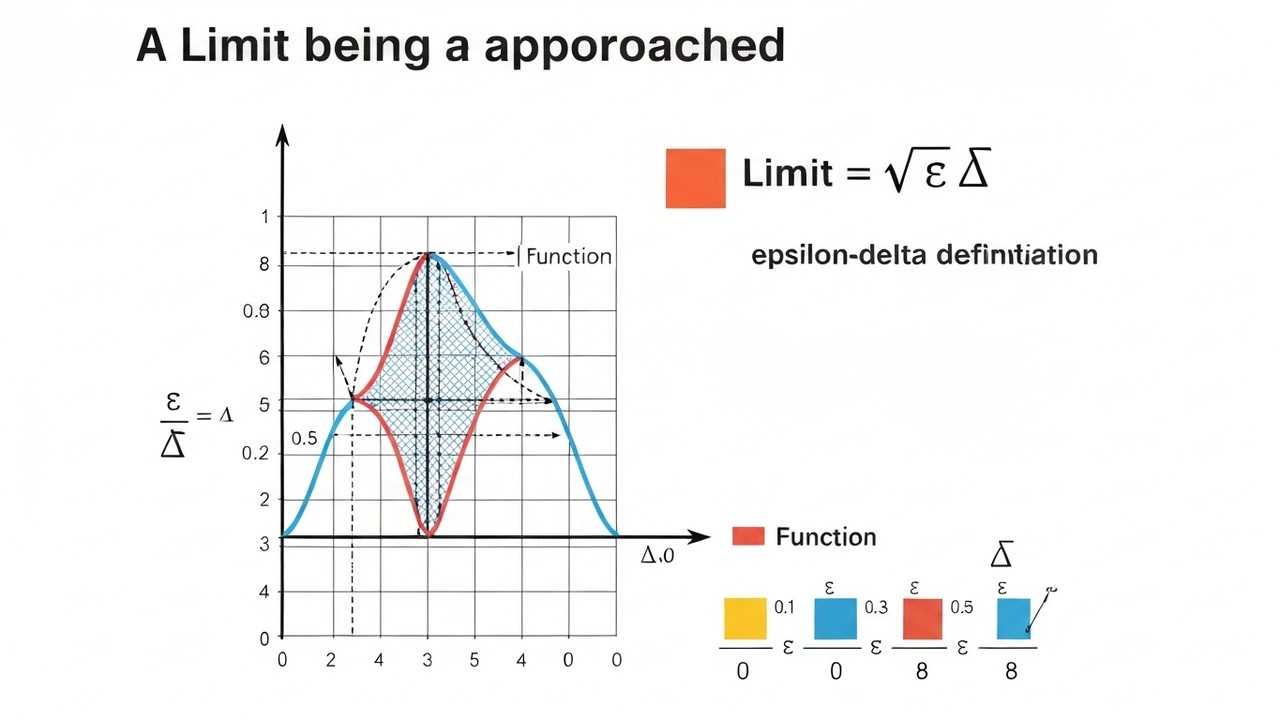
Understanding **limits of functions** is essential in calculus. This guide explains the epsilon-delta definition, theorems, and applications to help you master this fundamental concept.
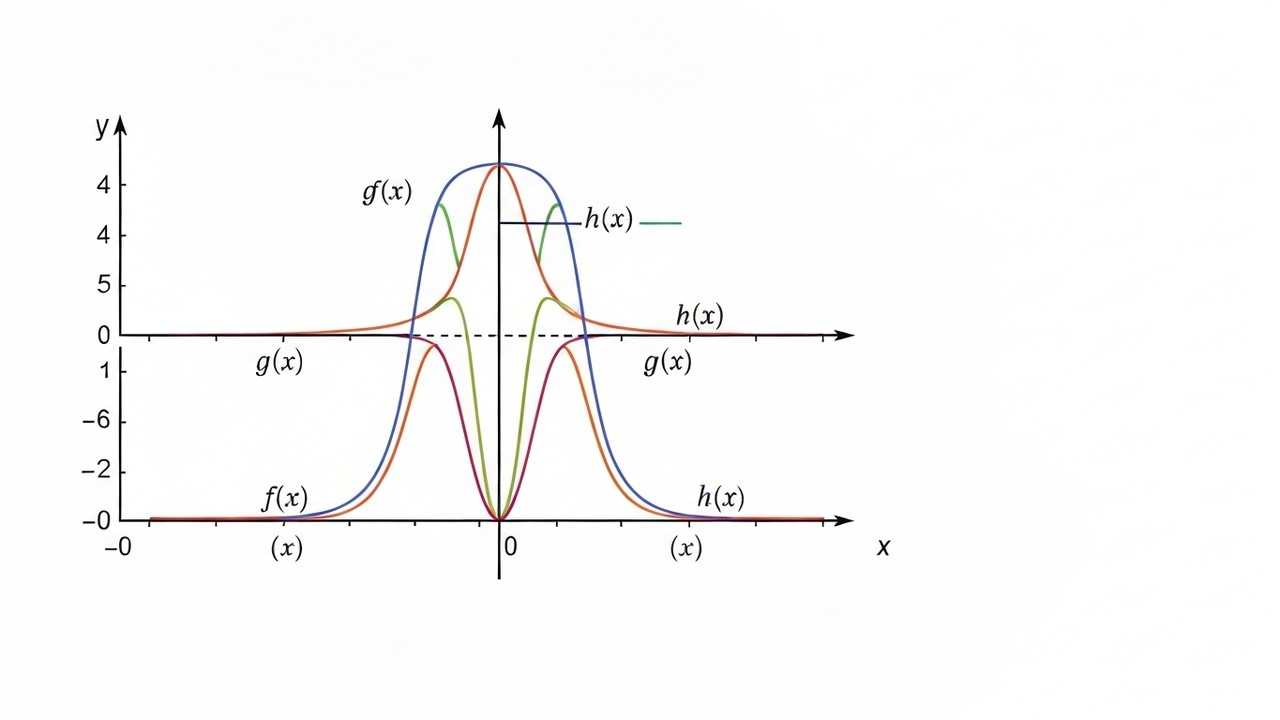
The Squeeze Theorem is a calculus concept that uses bounding functions to determine the limit of a function. The article explains how it works and provides examples.

Learn how to solve Evaluating Limits Problems with this step-by-step guide. We’ll cover the fundamentals and provide clear examples.
Learn how to solve Limits at Infinity with this comprehensive guide. Understand the concepts and techniques through clear examples and step-by-step solutions.
0 Comments