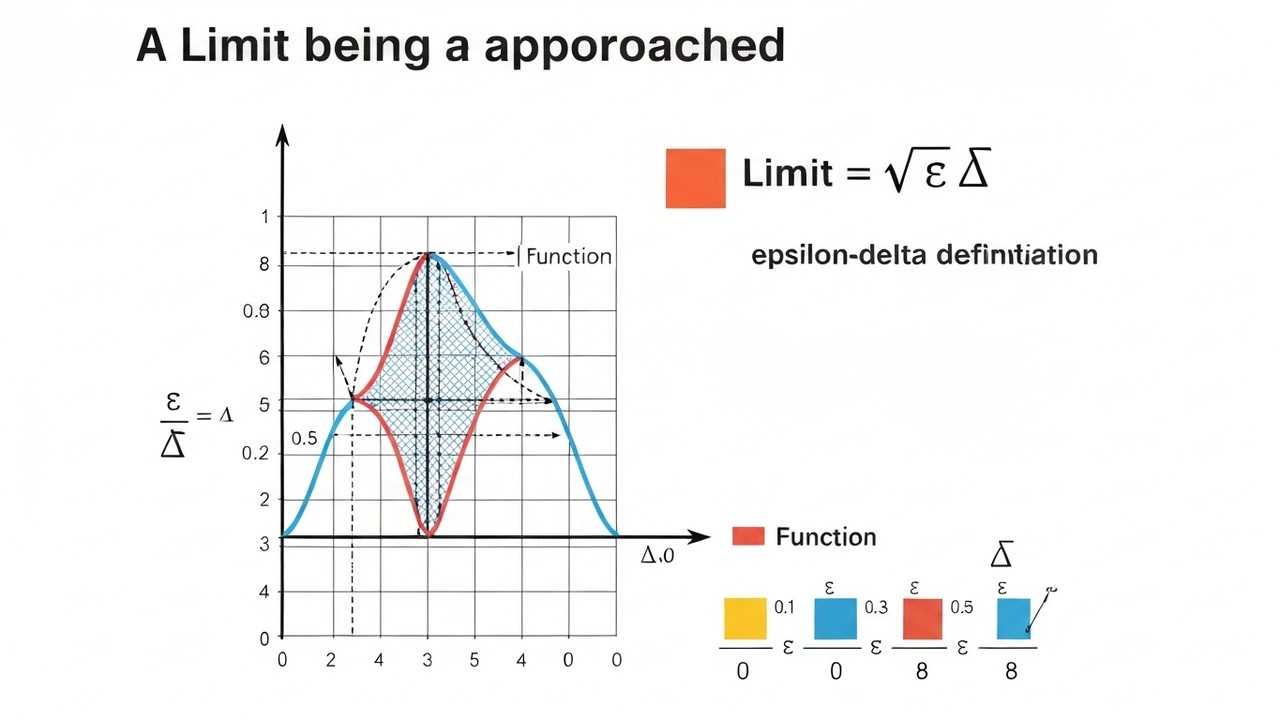
Understanding **limits of functions** is essential in calculus. This guide explains the epsilon-delta definition, theorems, and applications to help you master this fundamental concept.
Featured Articles on: MATHS
Understanding **limits of functions** is essential in calculus. This guide explains the epsilon-delta definition, theorems, and applications to help you master this fundamental concept.
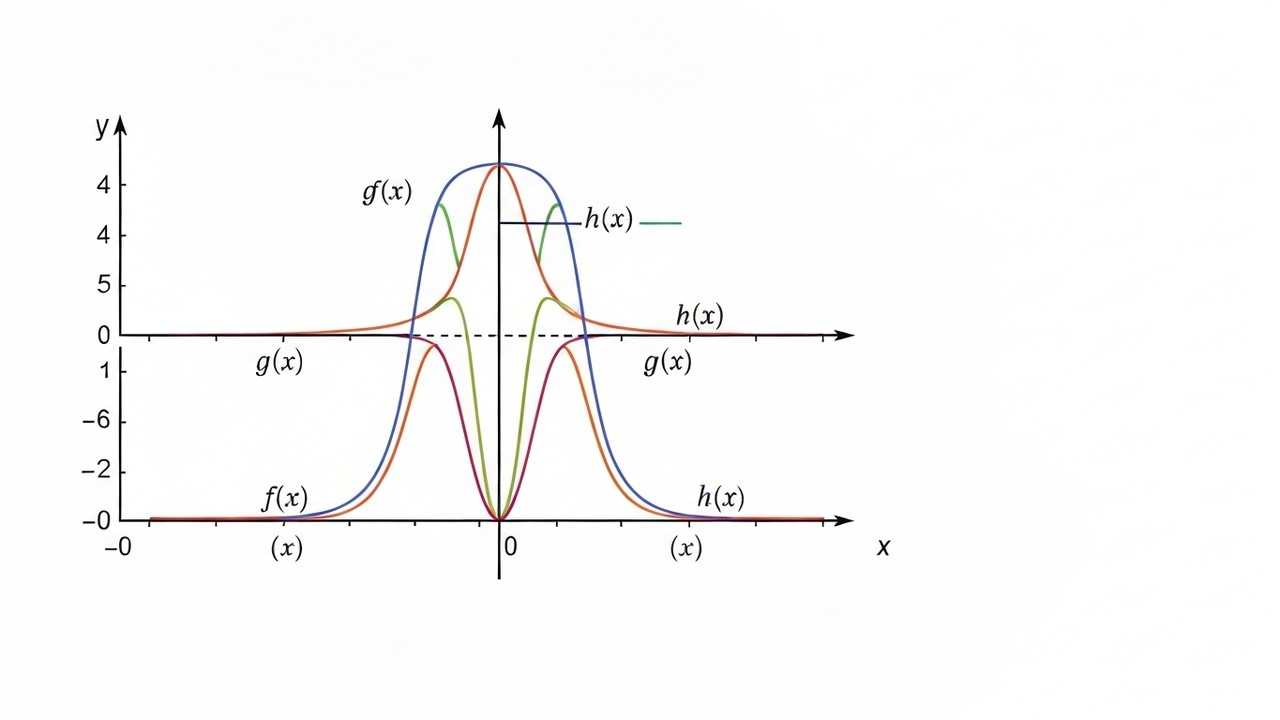
The Squeeze Theorem is a calculus concept that uses bounding functions to determine the limit of a function. The article explains how it works and provides examples.
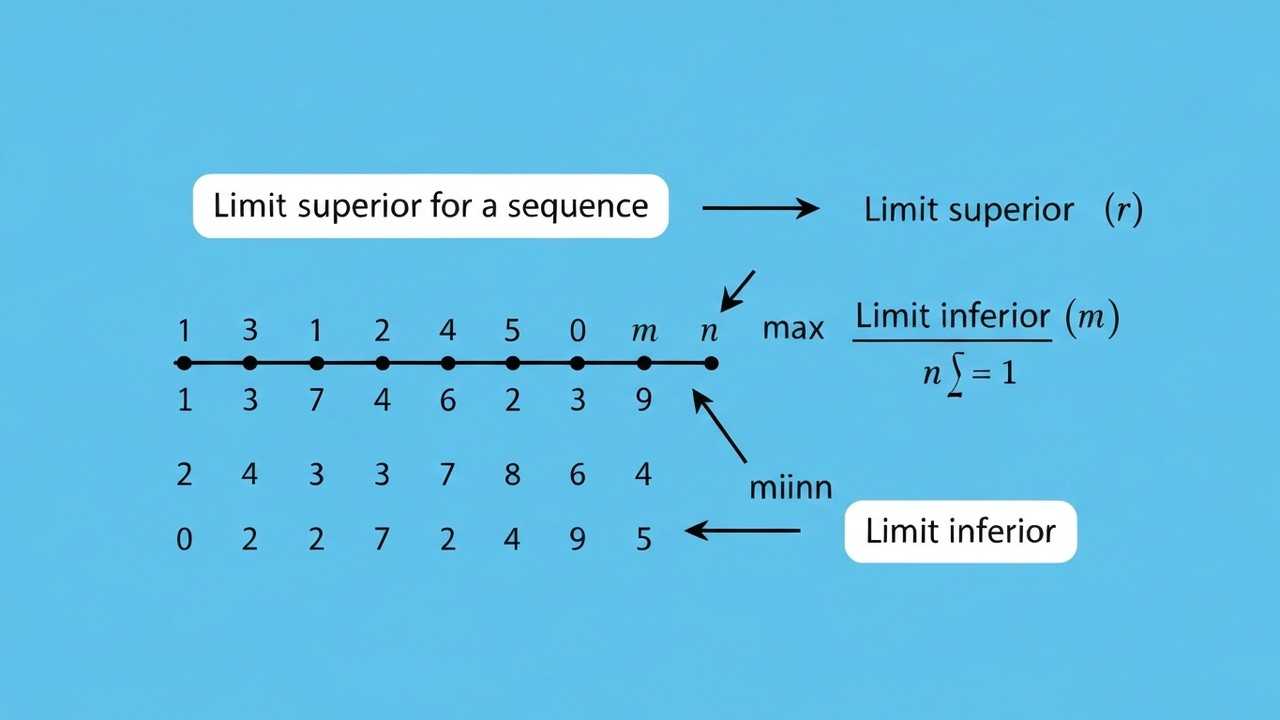
Understand Limit Superior and Inferior: Learn how these concepts define the eventual bounds of sequences and functions, and their importance in mathematical analysis.

Understanding the different **types of convergence** is essential in mathematics. From sequences and series to functions, this post explores the various modes of convergence.

Account for g=9.8 m/s² and the start-time offset.

Profit and loss questions improve real-world calculation ability.

Probability is key in logical and math aptitude exams.
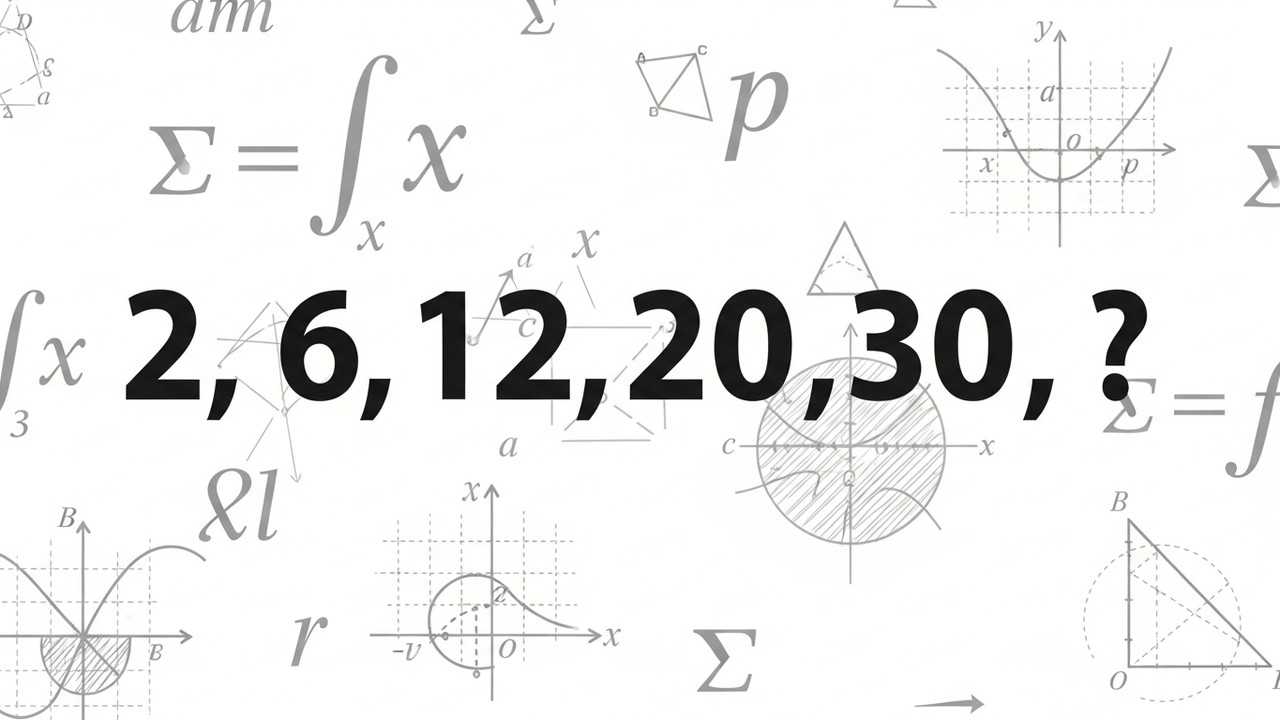
Number series problems improve pattern recognition for competitive exams.

Boost problem solving on cells.
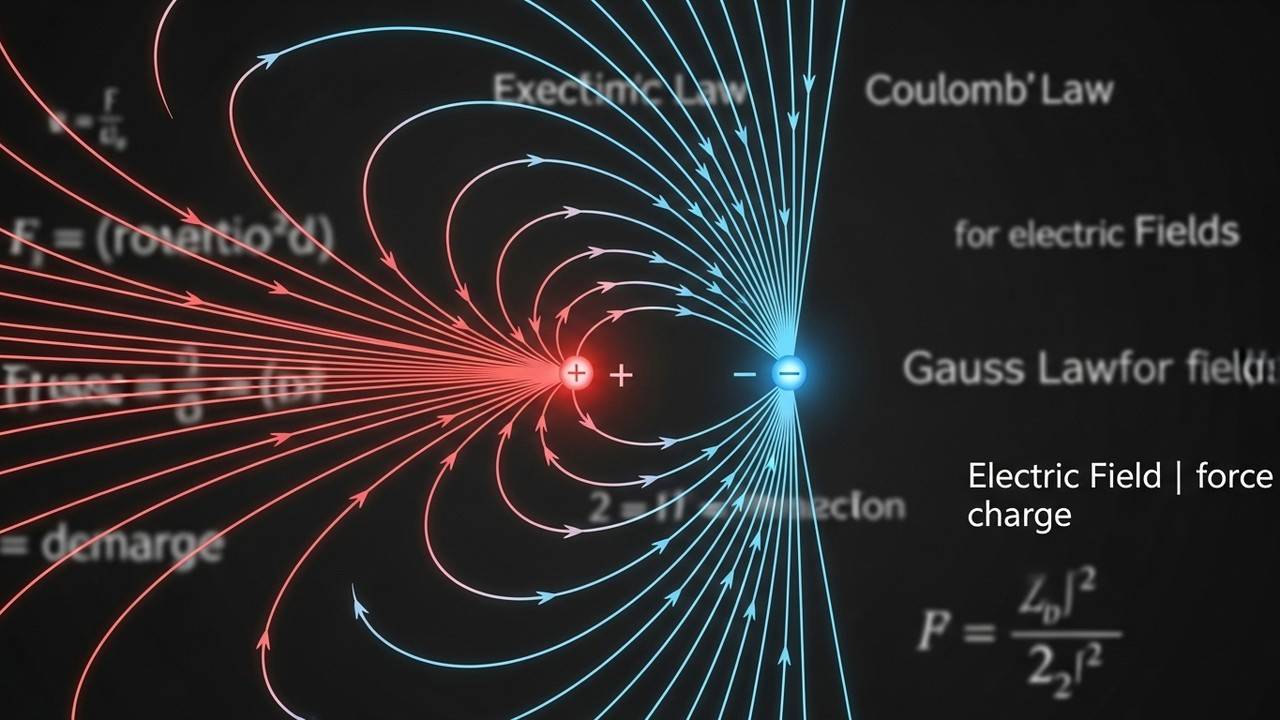
Excel in electrostatics numericals.
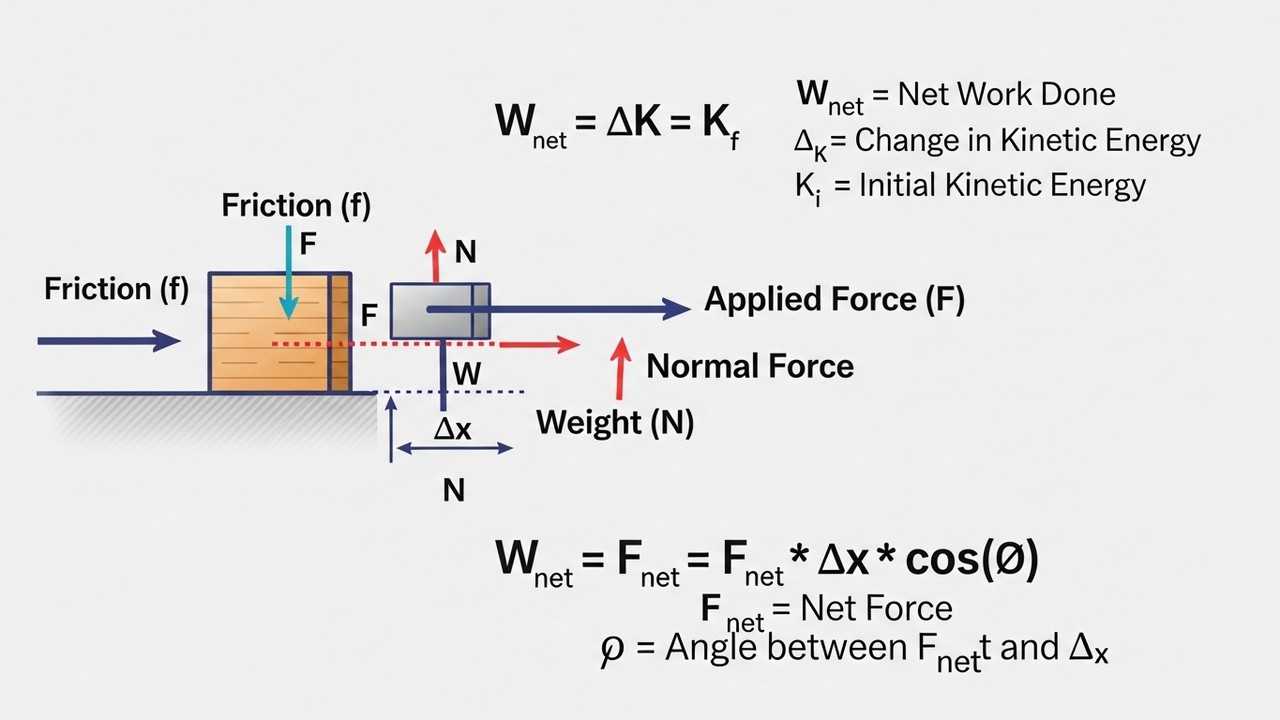
Strengthen energy-based problem solving.
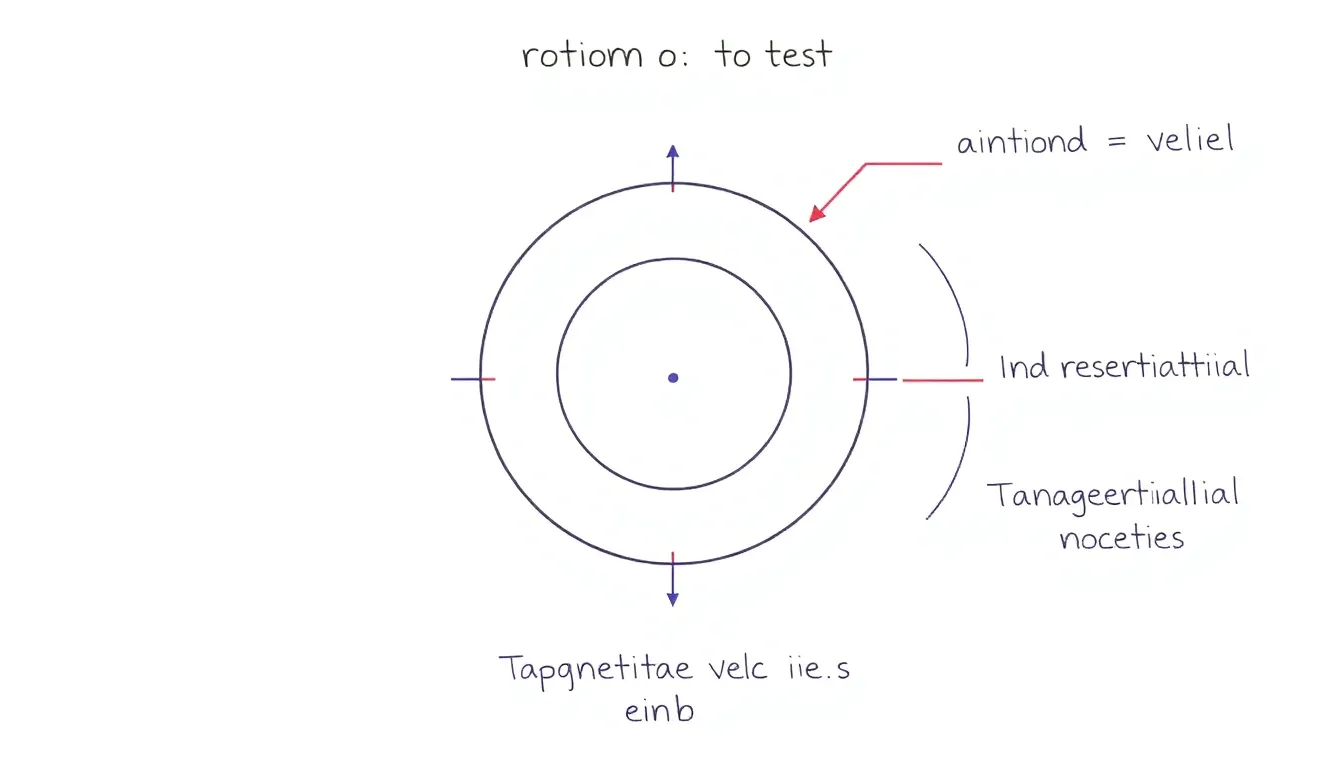
Boost rotational mechanics problem solving.

Learn the basics! This post answers the question: What is a plane?
This post explores the Sum of Series Formula, showing you how to derive and apply it to solve complex series problems. You’ll learn the formula and see examples.
Learn how to solve trigonometric problems by understanding and applying Trigonometric Identities. We break down the steps to find ##\sin^3 \theta + \cos^3 \theta## when given ##\sin \theta + \cos \theta = \frac{5}{4}##.
Learn about **GCD calculation** and the Euclidean algorithm. This post provides a step-by-step guide to finding the greatest common divisor of two numbers, crucial in various mathematical applications.