EUKARYOTES
Resources & Insights
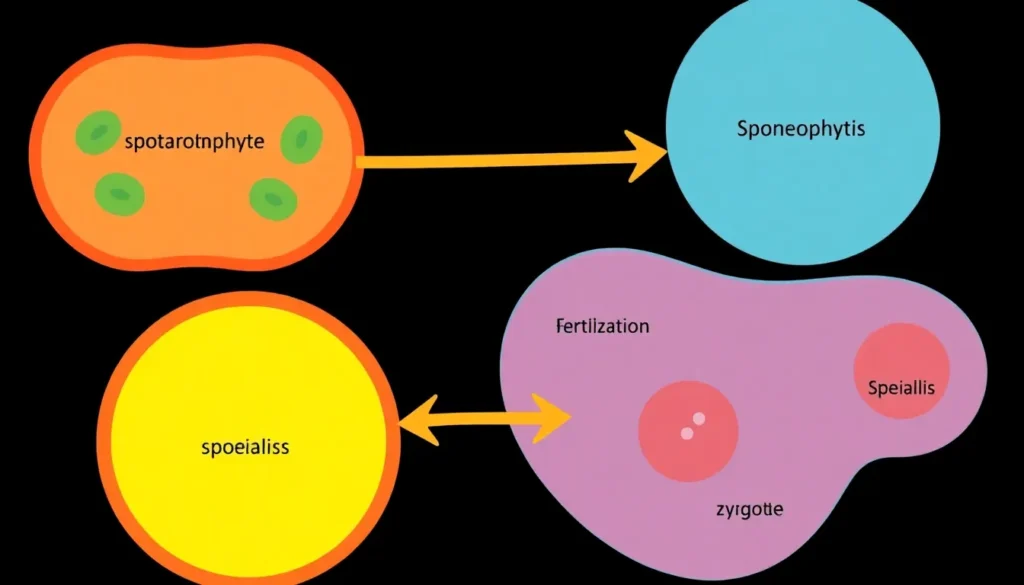
Alternation of Generations: Unraveling Plant Life Cycles
Explore alternation of generations and how plants toggle between sporophyte and gametophyte life stages. READ MORE...

Detecting ER Protein Synthesis Problems: A Novel Reporter System
A new reporter system detects problems in protein synthesis within the endoplasmic reticulum (ER). Learn how this innovative tool could revolutionize disease research. READ MORE...
Solving the Distinct Real Numbers Problem with Equations
Explore the solutions for distinct real numbers satisfying specific equations in this insightful blog post. READ MORE...

Navigating the CBSE Board Exams 2025: A Comprehensive Guide
Conquer the CBSE Board Exams 2025 with our guide! Learn effective study strategies, time management tips, and overcome exam anxiety for success. READ MORE...
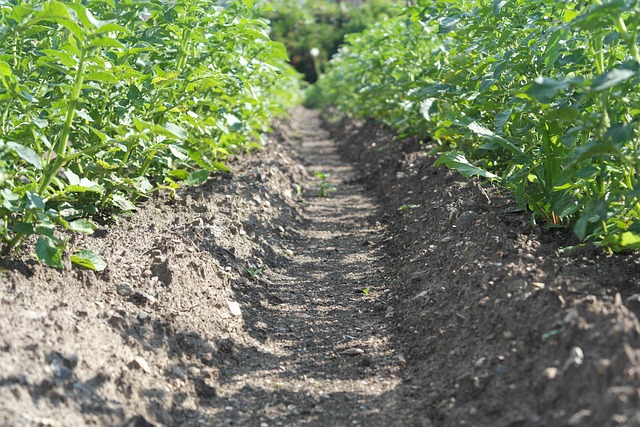
Distinctions between Plants and Animals
Distinctions between Plants and Animals The distinctions between plants and animals showcase the fascinating diversity of life on Earth. These two fundamental classifications of living organisms exhibit unique features that not only define their existence but also their role in the ecosystem. Understanding these differences can provide valuable insights into the biological world, ranging from cellular organization to modes of reproduction and metabolic pathways. Cellular Organization Plant Cells Plants possess characteristic cell structures, including a rigid cell wall composed of cellulose, chloroplasts for photosynthesis, and large central vacuoles for storage. The presence of chlorophyll allows plants to convert sunlight into energy through photosynthesis. This process can be defined by the equation: “Photosynthesis is the process by which green plants and […] READ MORE...
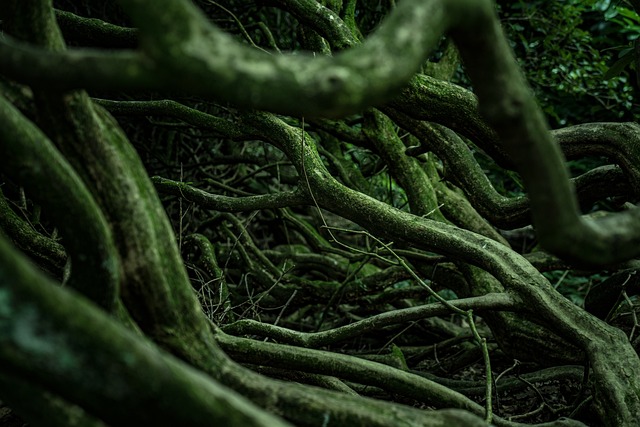
The Root System in Plants
Understanding the root system in plants is crucial for anyone studying botany or working in agriculture. This comprehensive analysis explores the essential components and functionalities of plant roots, focusing on their structure, types, and roles in plant health and growth. The Root System in Plants The root system in plants functions as the foundation that not only anchors the plant but also provides essential nutrients and water necessary for growth. The root system includes various components such as primary roots, secondary roots, and root hairs, each with a specific role. This system ensures stability, nutrient uptake, and even storage of essential carbohydrates. Without a well-developed root system, plants would struggle to survive and thrive. We also PublishedThe Legacy of Puddled […] READ MORE...
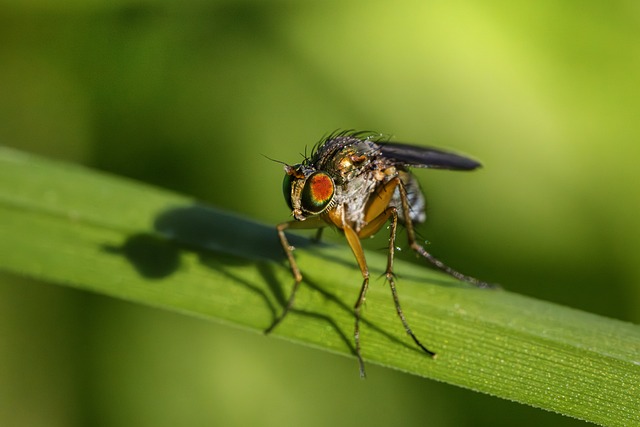
Morphology and Embryology: A Detailed Study
The fascinating fields of Morphology and Embryology delve into the structures and developmental processes that form the essence of biological organisms. Morphology, a study of the form and structure of organisms, provides insights into the shapes, sizes, and external features of creatures. On the other hand, Embryology explores the intricate process of development from a single zygote to a complex organism. These intertwined disciplines not only enhance our comprehension of biological diversity but also shed light on the foundational principles underlying the growth and evolution of life. The intricacies encapsulated in these fields illuminate the continuum from cellular structure to complex form, revealing how genetic information translates into morphological features through developmental stages. We also PublishedThe Legacy of Puddled Iron […] READ MORE...
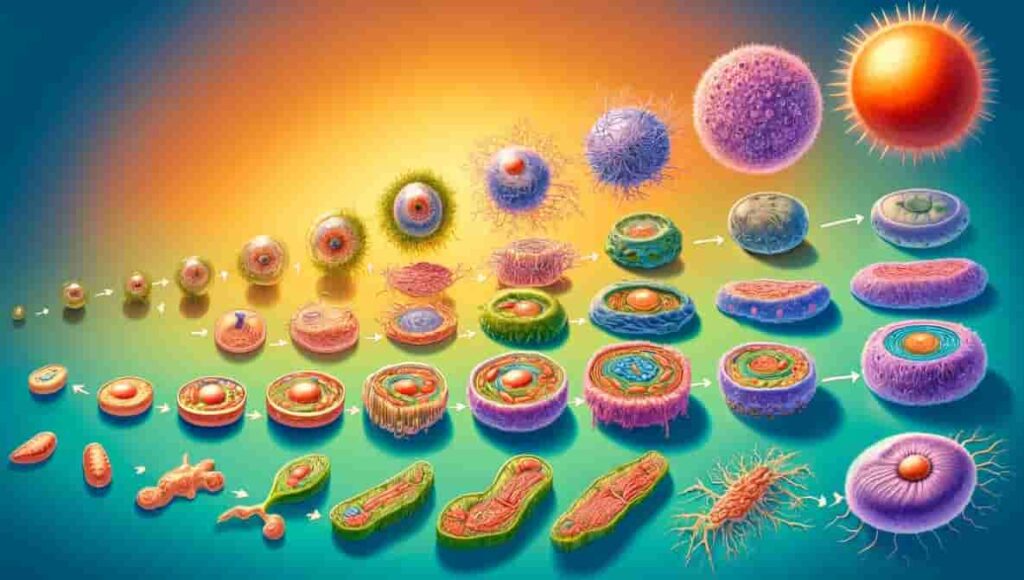
History of Cell Evolution
Cell Evolution refers to the process by which the earliest forms of life on Earth evolved and diversified into the complex cellular structures seen in modern organisms. This encompasses the transition from simple molecules to protocells, the development of prokaryotic and eukaryotic cells, and the emergence of multicellular organisms. 1. Abiogenesis and the Origin of Life (4.0 - 3.5 billion years ago) Abiogenesis: This is the first process in Cell Evolution by which life arose naturally from non-living matter on the early Earth. It likely involved the formation of simple organic molecules in a primordial soup or deep-sea hydrothermal vents. Protocells: Simple, membrane-bound structures could have formed through the spontaneous assembly of lipids and other organic molecules. Consequently, these protocells […] READ MORE...