RELATIVE AND ABSOLUTE MOTION
Resources & Insights
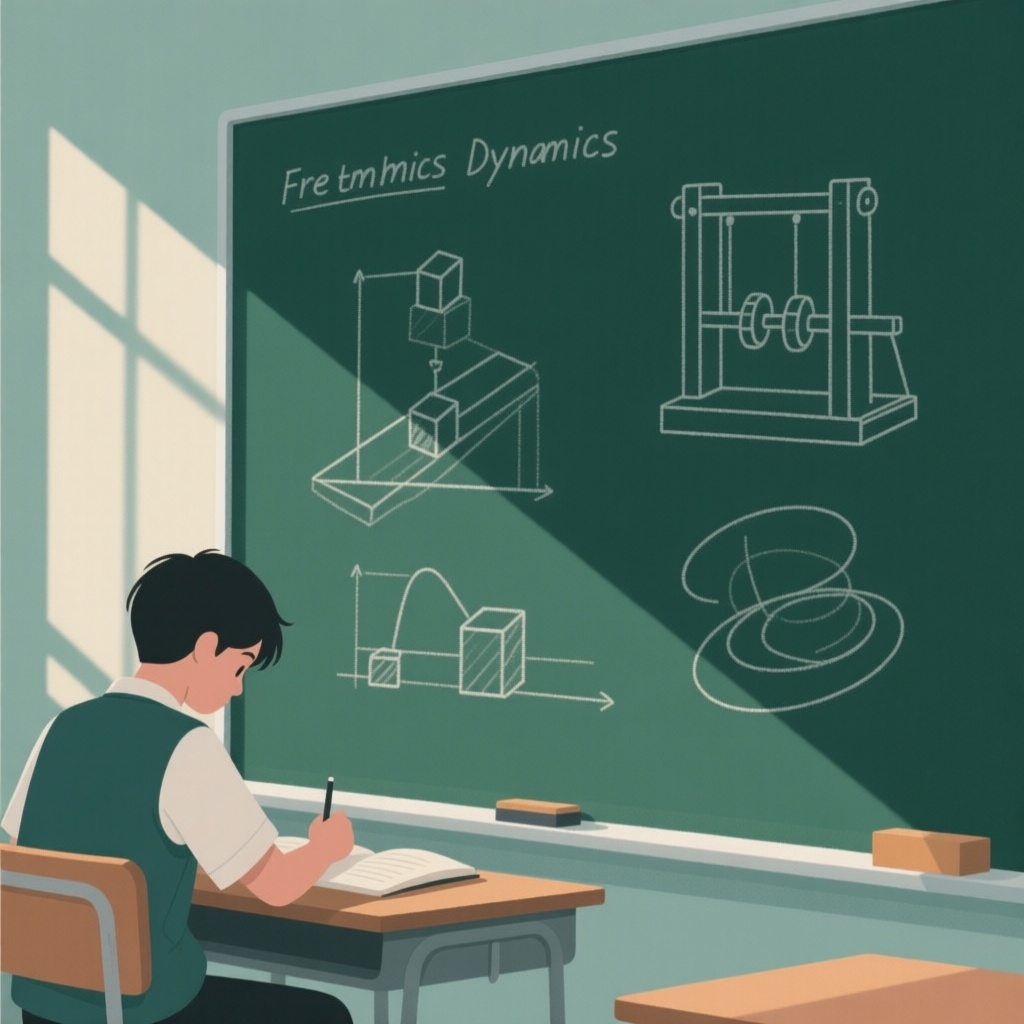
DYNAMICS IN PHYSICS – LAWS, EXAMPLES & 10 SOLVED PROBLEMS
INTRODUCTION: WHAT IS DYNAMICS? Dynamics is the part of mechanics that studies how forces affect the motion of objects. While kinematics describes how things move (displacement, velocity, acceleration), dynamics explains why they move that way. For CBSE, JEE, NEET and other exams, dynamics is built mainly on: Newton’s Laws of Motion Work–Energy Theorem Conservation of Momentum Circular Motion, and sometimes springs, pulleys, etc. Circular Motion, and sometimes springs, pulleys, etc. Circular Motion, and sometimes springs, pulleys, etc. Below you’ll find: Fundamental laws of physics involved in dynamics (with MathJax delimiters) Ten problems, from simple to challenging, with full solutions and the key laws stated for each. Ten problems, from simple to challenging, with full solutions and the key laws stated […] READ MORE...
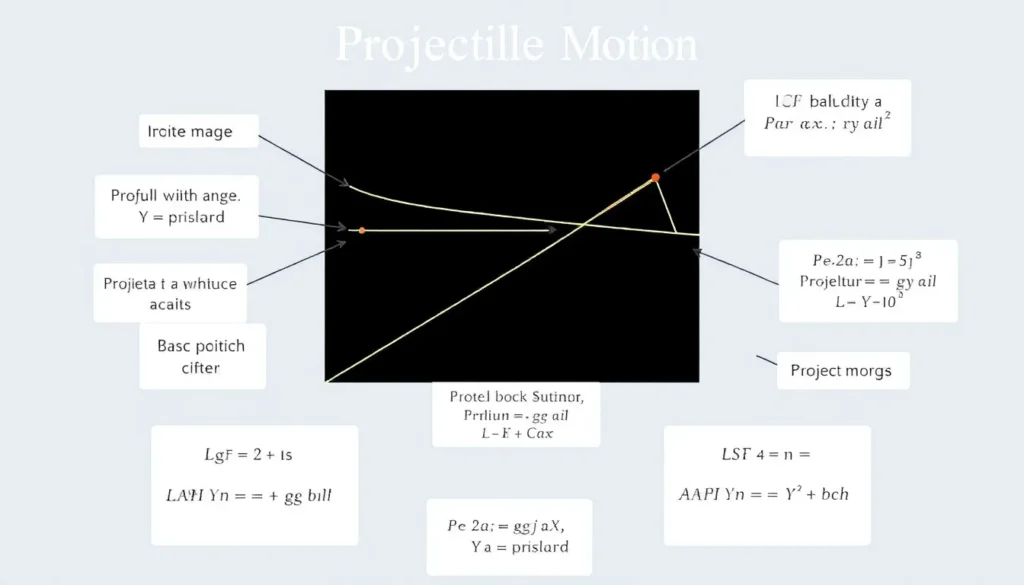

Find all meet instants that match vertical heights with gravity
Account for g=9.8 m/s² and the start-time offset. READ MORE...

When do they meet? Equations to analyze relative motion precisely
Translate each car’s motion into position functions; solve intersection or show none. READ MORE...
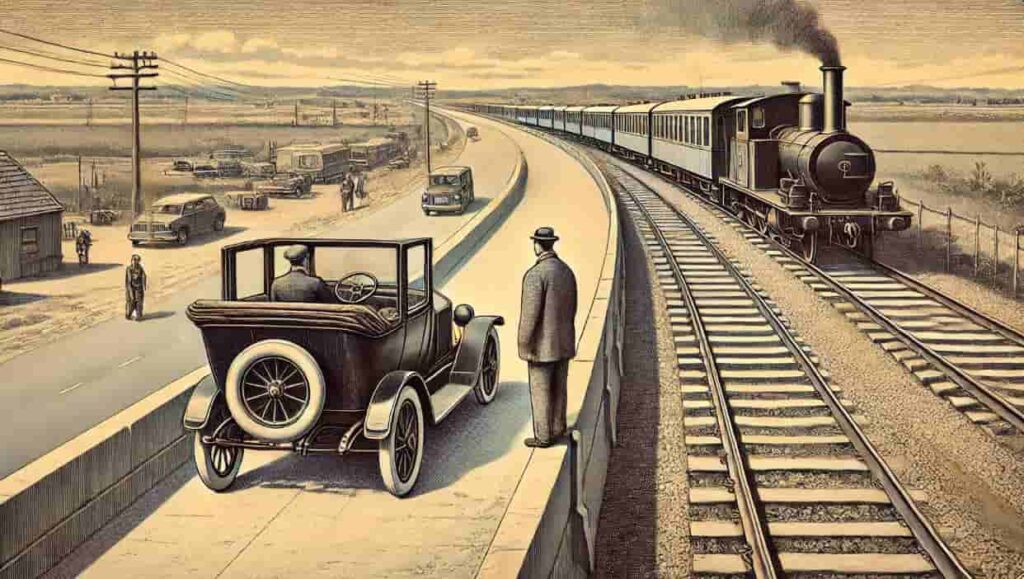
A Boat is moving downstream on a river. Determine the speed of the boat relative to the riverbank (RELATIVE AND ABSOLUTE MOTION NUMERICAL PROBLEMS)
A boat is moving downstream on a river. The river flows at a speed of 3 m/s relative to the riverbank. The boat’s engine propels it at a speed of 7 m/s relative to the water. Determine the speed of the boat relative to the riverbank (absolute motion). If the boat turns around and starts moving upstream, what will be its speed relative to the riverbank? READ MORE...