PROKARYOTES
Resources & Insights
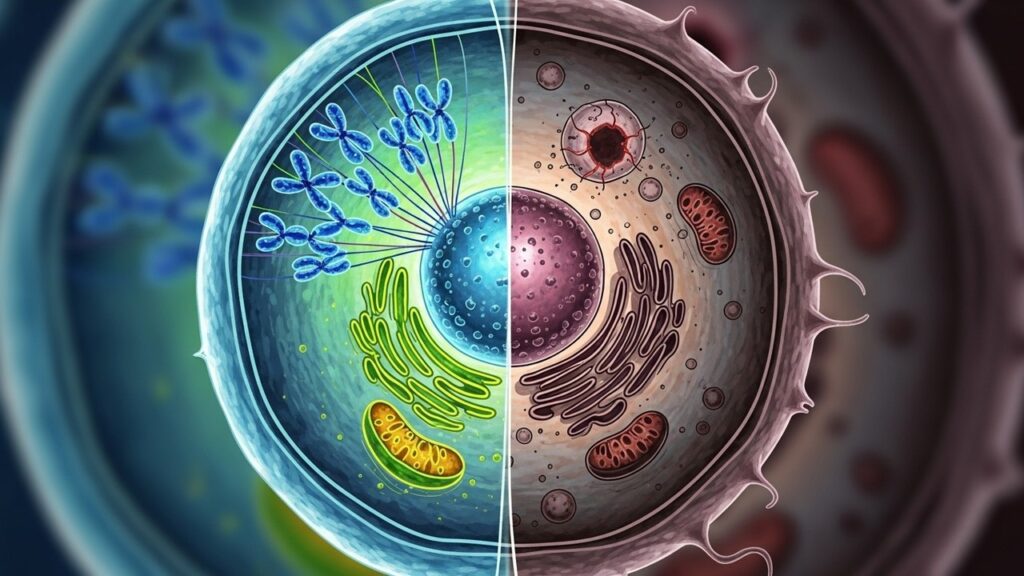
Balancing Apoptosis and Cell Division in Multicellular Organisms
Discover why balance between life and death of cells is essential. READ MORE...
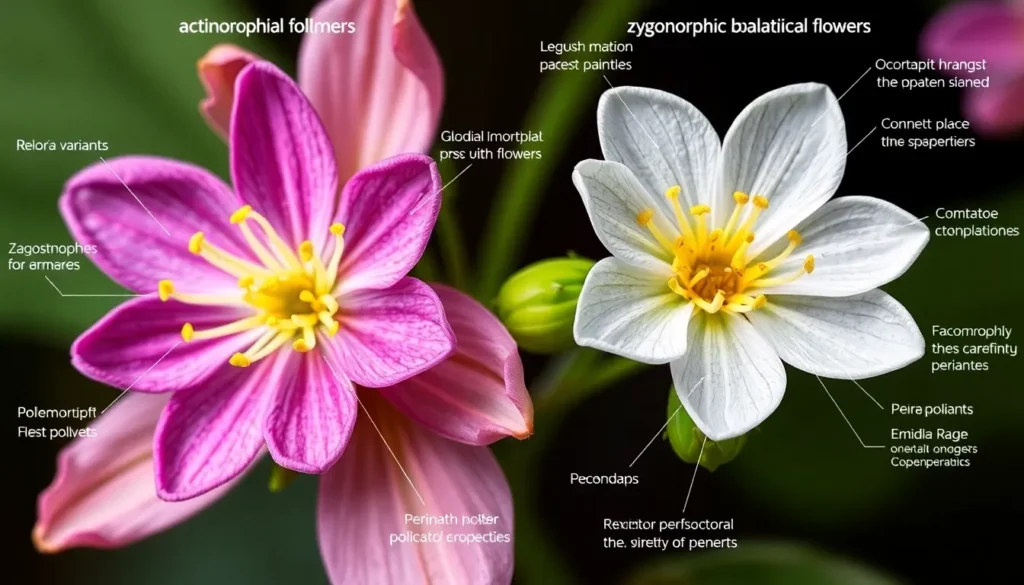
Flower symmetry biology: Exploring actinomorphic and zygomorphic patterns
Flower symmetry biology explores radial and bilateral forms, peloria, and the genetics behind symmetry. READ MORE...
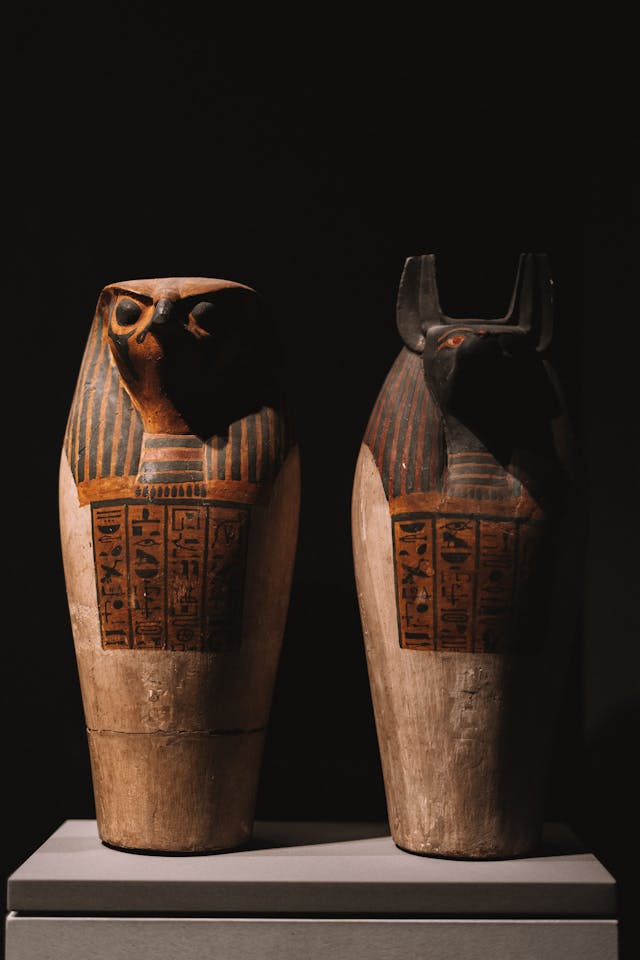
The Eye of Horus: Symbolism History and Meaning in Ancient Egypt
Explore the powerful symbolism of the Eye of Horus its history and its significance in ancient Egyptian culture. Learn about its use in amulets burials and more. READ MORE...
Scientists Discover Seven Thousand Year Old Mummies in Sahara Desert
Scientists have discovered 7000-year-old mummies in the Sahara Desert revealing new insights into ancient history and genetic lineages. READ MORE...

Navigating the CBSE Board Exams 2025: A Comprehensive Guide
Conquer the CBSE Board Exams 2025 with our guide! Learn effective study strategies, time management tips, and overcome exam anxiety for success. READ MORE...
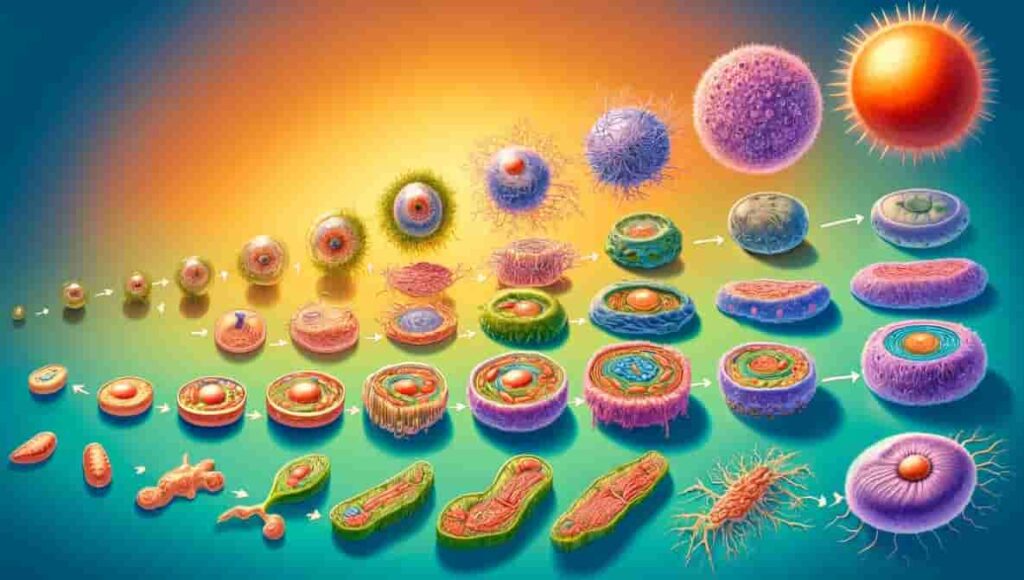
History of Cell Evolution
Cell Evolution refers to the process by which the earliest forms of life on Earth evolved and diversified into the complex cellular structures seen in modern organisms. This encompasses the transition from simple molecules to protocells, the development of prokaryotic and eukaryotic cells, and the emergence of multicellular organisms. 1. Abiogenesis and the Origin of Life (4.0 - 3.5 billion years ago) Abiogenesis: This is the first process in Cell Evolution by which life arose naturally from non-living matter on the early Earth. It likely involved the formation of simple organic molecules in a primordial soup or deep-sea hydrothermal vents. Protocells: Simple, membrane-bound structures could have formed through the spontaneous assembly of lipids and other organic molecules. Consequently, these protocells […] READ MORE...