Men working together to complete tasks faster is a common aptitude question.

Featured Articles on: EXAM+
Men working together to complete tasks faster is a common aptitude question.
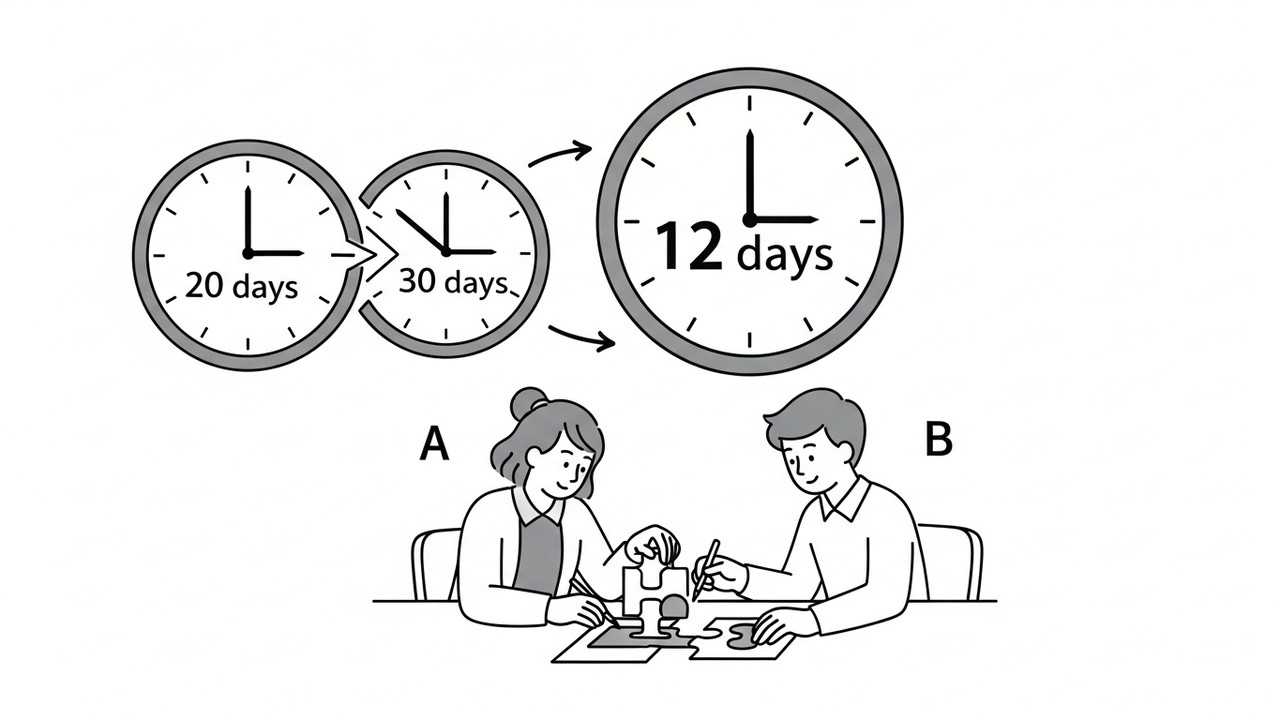
Collaboration work problems are frequently tested in exams.

Averages are tested often in aptitude exams with practical twists.
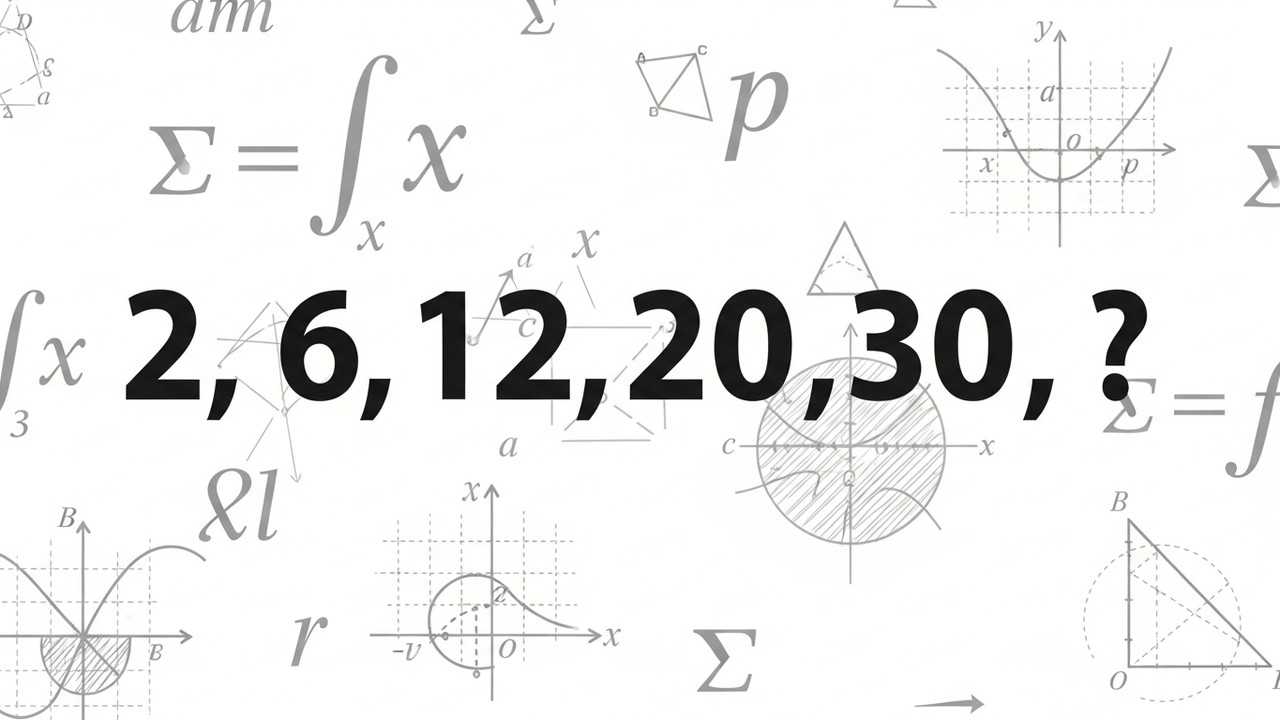
Number series problems improve pattern recognition for competitive exams.

Boost problem solving on cells.

Explore how Dutch flower painting emerged with Ambrosius Bosschaert the Elder and shaped a dynasty of floral still lifes.

Learn about conic sections! This post explains ellipses parabolas hyperbolas and their properties in detail.

The LIFE mission aims to explore exoplanets for signs of life. Learn how this innovative mission could revolutionize our understanding of the universe.

Astronomers discover a fascinating atmosphere on exoplanet LTT 9779 b a scorching Neptune-sized planet. Learn about the findings from the James Webb Space Telescope.

Learn how projectors create black. Discover the physics behind the absence of light and how it’s perceived as black on a screen.

Learn about static electricity from everyday sparks to lightning. Discover causes examples like shocks from metal and how to prevent it.

Struggling with functional equations for your math midterm? This post provides tips and tricks including substituting values using mathematical induction and finding fixed points to help you solve these challenging problems.

Conquer the CBSE Board Exams 2025 with our guide! Learn effective study strategies, time management tips, and overcome exam anxiety for success.

Find \( \lim_{x \to 3} (2x + 5) \) Solution:To solve this limit, we substitute the value of \( x \) directly because the function is continuous at \( x = 3 \).\( \lim_{x \to 3} (2x + 5) = 2(3) + 5 = 6 + 5 = 11 \)

5 Basic Problems on Limits just to refresh your mind. Problem 1 Find the limit: \( \lim_{x \to 2} (3x - 4) \) Solution: To solve this limit, we substitute the value of \(x\) directly because the function is continuous at \(x = 2\). \[ \lim_{x \to 2} (3x - 4) = 3(2) -...

Based on the information provided, the metal compound A reacts with dilute hydrochloric acid to produce effervescence, and the gas evolved extinguishes a burning candle. Additionally, one of the compounds formed in the reaction is calcium chloride. Let's write the...