
On This Page
The global medical community is currently standing at a perilous crossroads as the efficacy of conventional antibiotics continues to plummet. For nearly a century, these miracle drugs have underpinned modern surgery, cancer treatment, and infection control, but the rapid evolution of bacterial resistance has created a looming public health crisis. In response, scientists are returning to a century-old discovery: bacteriophages, the natural viral enemies of bacteria, now enhanced by modern computing.
This resurgence, often referred to as Phage Therapy 2.0, moves beyond the historical "shotgun" approach of using uncharacterized viral samples. By integrating AI-optimized phage therapy into the clinical workflow, researchers can now predict exactly which viruses will be most effective against a patient’s specific infection. This digital transformation of virology offers a glimmer of hope in the dark shadow of the "Antibiotic Apocalypse," providing a sustainable path forward for infectious disease management.
We Also Published
The Resurgence of Bacteriophage Therapy in the Age of AI
The historical application of bacteriophages was often hindered by the sheer diversity of viral strains and the lack of precise matching tools. Early practitioners struggled to identify which specific phage would target a particular bacterial strain, leading to inconsistent results in clinical settings. However, the advent of high-throughput sequencing and neural networks has completely revolutionized this matching process for modern medical professionals.
Today, AI-optimized phage therapy allows for the rapid screening of massive viral libraries against the unique genetic fingerprints of pathogenic bacteria. This computational approach eliminates the trial-and-error phase that previously plagued the field, ensuring that every treatment is backed by predictive data. As we refine these algorithms, the speed at which we can deploy these viral predators to save lives is increasing exponentially across the globe.
Understanding the Mechanics of Viral Predators
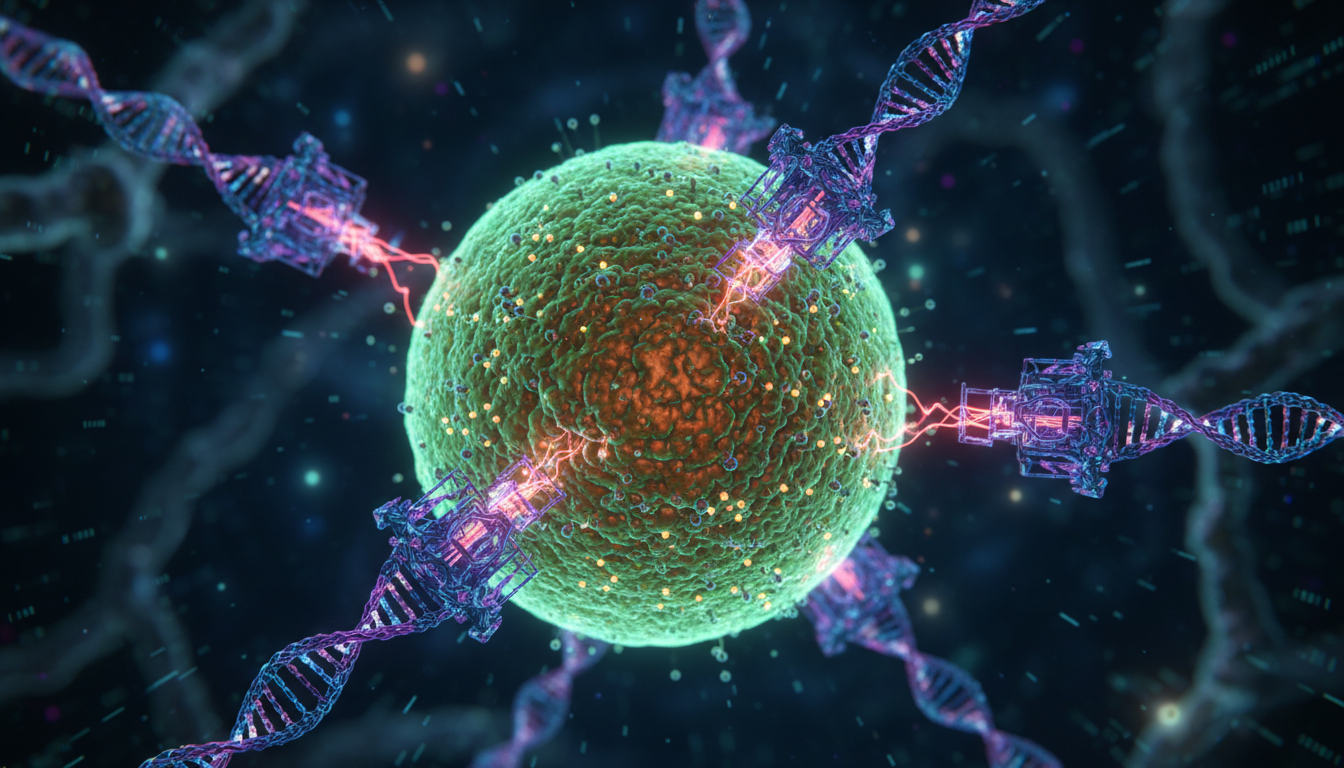
Bacteriophages are the most abundant biological entities on Earth, existing in a perpetual state of warfare with their bacterial hosts. These viruses operate by attaching to specific receptors on the bacterial cell wall, injecting their genetic material to hijack the host's machinery. Once inside, the phage replicates rapidly until the bacterial cell eventually bursts, releasing a new generation of viral hunters to seek out more prey.
The specificity of this process is what makes phages so attractive as a therapeutic tool in modern clinical environments. Unlike broad-spectrum antibiotics, which often decimate the beneficial microbes in the human gut, phages are highly selective and only target their intended victims. This precision ensures that the patient's microbiome remains intact while the harmful infection is systematically eradicated by the viral invaders throughout the body.
Furthermore, the self-replicating nature of phages provides a unique pharmacological advantage that traditional chemical drugs simply cannot match in intensity. In a localized infection, the concentration of the "drug" increases exactly where it is needed most as the phages multiply within the bacteria. This dynamic dosing mechanism allows for highly efficient clearance of pathogens even in areas where traditional antibiotic penetration might be limited or ineffective.
Recent studies have also highlighted the ability of phages to penetrate biofilms, which are protective layers that bacteria build to shield themselves. Biofilms are notoriously difficult to treat with standard medications because the outer layers act as a physical barrier to chemical entry. Phages, however, possess specialized enzymes that can degrade these matrices, allowing the viruses to reach and kill the bacteria hidden deep within the structure.
As we delve deeper into the molecular biology of these organisms, we are discovering how to optimize their natural killing efficiency. By understanding the protein interactions at the point of contact, scientists can select phages that have the highest affinity for the target. This level of detail is essential for the success of AI-optimized phage therapy, as it provides the raw data necessary for machine learning models.
From Random Selection to Machine Learning Precision
The primary challenge in traditional phage therapy was the time-consuming process of "phage hunting," which involved manually testing various samples against a patient's culture. In acute cases of sepsis or pneumonia, this delay could often be fatal, as the bacteria multiplied faster than the lab could work. Machine learning has solved this latency issue by providing near-instantaneous predictions based on genomic data and historical outcomes.
Advanced AI models are trained on thousands of known phage-bacteria interactions, allowing them to recognize patterns that are invisible to the human eye. These algorithms can predict the host range of a phage simply by analyzing its DNA sequence and comparing it to the target bacteria. This digital matching service is the cornerstone of AI-optimized phage therapy, turning a slow biological process into a fast computational one.
Moreover, AI can identify potential risks, such as the presence of toxin genes or lysogenic tendencies within a phage’s genome before use. Lysogenic phages, which integrate into the host DNA rather than killing it, are generally avoided in therapy to prevent the transfer of resistance. Machine learning ensures that only purely lytic phages—the true killers—are selected for clinical use, maximizing safety and efficacy for every patient.
The integration of AI also facilitates the creation of "phage cocktails," which are mixtures of several different viruses targeting the same pathogen. AI can calculate the best combination of phages to prevent the bacteria from evolving resistance to any single viral strain during the treatment. This strategic diversity is vital for long-term success against highly adaptable superbugs that have already defeated most modern antibiotic drugs.
As these computational tools become more accessible, the vision of a "phage pharmacy" is becoming a reality in advanced medical centers. Doctors can sequence a patient's infection in the morning and have a customized, AI-validated viral treatment ready by the afternoon. This rapid turnaround time is essential for addressing the urgent needs of patients suffering from multi-drug resistant infections in intensive care units.
Engineering Custom Phages to Overcome Bacterial Resistance
While natural phages are potent, the constant evolutionary pressure from bacteria has led to the development of sophisticated viral defense mechanisms. To stay ahead in this biological arms race, synthetic biology is now being used to edit and enhance the capabilities of these viruses. By modifying the genetic code of a phage, researchers can "upgrade" its hunting abilities to ensure success against the most resilient strains.
This engineering process is heavily guided by predictive modeling, ensuring that every modification serves a specific purpose in the eradication of the target. AI-optimized phage therapy is not just about finding the right natural virus; it is about designing the perfect one when nature's options fall short. This proactive approach allows us to stay one step ahead of bacterial evolution and maintain our therapeutic edge.
Bypassing CRISPR-Cas Defense Systems
Bacteria have evolved their own version of an immune system, known as CRISPR-Cas, which allows them to recognize and destroy invading viral DNA. This defense mechanism is a major hurdle for phage therapy, as it can render a potentially effective virus completely useless upon entry. However, scientists are now engineering phages that carry "anti-CRISPR" proteins to neutralize these bacterial defenses and ensure successful infection.
Using AI-optimized phage therapy techniques, researchers can identify which specific anti-CRISPR proteins are needed for a particular bacterial strain’s defense system. By inserting these genes into the phage genome, we create a viral predator that is essentially invisible to the bacterial immune system. This genetic cloaking allows the phage to bypass the cell's primary defenses and begin the process of replication and destruction.
Furthermore, synthetic biology allows for the modification of phage tail fibers, which are the structures used to recognize and bind to bacteria. By swapping these fibers between different phages, scientists can expand the host range of a virus or redirect it toward a new pathogen. This modular approach to phage design ensures that we can quickly adapt to new bacterial threats as they emerge in clinical settings.
The use of CRISPR-Cas technology itself within the phage is also a promising area of research for modern microbiologists. We can engineer phages to deliver a CRISPR payload that specifically targets and cuts the antibiotic resistance genes within the bacterial host. This dual-action approach not only kills the bacteria but also ensures that any survivors are stripped of their ability to resist traditional antibiotic medications.
These engineered viral predators represent a significant leap forward in our ability to control microbial populations with high levels of precision. By combining the natural lethality of phages with the precision of genetic engineering, we are creating a new class of "smart drugs." These biological agents are capable of navigating complex environments and overcoming the sophisticated defenses that superbugs have spent millennia perfecting.
The Science of Phage Training Protocols
Another innovative approach to enhancing viral efficacy is known as "phage training" or directed evolution, which occurs in a controlled laboratory environment. This process involves exposing a population of phages to the target bacteria and allowing them to co-evolve over several generations. This "training" forces the phages to adapt to any resistance mechanisms the bacteria might develop during the experimental encounter.
AI plays a critical role in monitoring this evolutionary process, identifying the specific mutations that lead to increased viral potency and host range. By analyzing the genomic changes in both the phage and the bacteria, AI-optimized phage therapy can predict the most successful evolutionary paths. This allows researchers to steer the training process toward the creation of the most lethal and resilient viral strains possible.
Once the phages have been sufficiently "trained" to overcome the bacteria's defenses, they can be harvested and prepared for clinical administration to patients. This ensures that the virus being used is already optimized for the specific challenges it will face within the human body. This preemptive adaptation is a powerful tool in the fight against rapidly evolving pathogens that frequently evade traditional treatments.
Phage training also helps in identifying "evolutionary dead ends" for bacteria, where the cost of resisting the phage becomes too high to sustain. By selecting phages that target essential bacterial functions, we force the pathogen to choose between dying from the virus or losing its fitness. This strategic pressure is a hallmark of AI-optimized phage therapy, leveraging the principles of natural selection to our distinct clinical advantage.
The result of these training protocols is a highly specialized biological weapon that is uniquely suited to the patient’s specific bacterial infection. Unlike static chemical drugs, these "trained" phages are dynamic and ready to respond to the biological realities of the infection site. This methodology represents a significant shift from the traditional pharmaceutical model toward a more adaptive and personalized form of medicine.
Synergistic Approaches: The Evolutionary Trap Strategy
One of the most exciting developments in AI-optimized phage therapy is its use in combination with traditional antibiotic medications. While antibiotics and phages are often viewed as competing treatments, they can actually work together in a synergistic fashion to destroy bacteria. This combination therapy creates what scientists call an "evolutionary trap," where the bacteria are forced into a difficult survival dilemma.
By applying both pressures simultaneously, we can significantly increase the chances of total bacterial clearance while reducing the likelihood of resistance. AI is used to model these interactions, determining the exact dosages and timing required to maximize the synergy between the two different modalities. This integrated approach is proving to be one of our most effective strategies against the most dangerous multi-drug resistant superbugs.
Combining Phages with Sub-lethal Antibiotic Doses
Research has shown that even sub-lethal doses of antibiotics can make bacteria more susceptible to phage infection by stressing their cellular machinery. When a bacterium is busy trying to pump out a toxic antibiotic, it often lacks the resources to defend against a viral attack. This vulnerability is exploited in AI-optimized phage therapy to achieve higher kill rates with lower concentrations of chemical drugs.
AI algorithms can predict which specific antibiotic-phage pairings will produce the strongest synergistic effect based on the bacterial strain's resistance profile. For example, some antibiotics might weaken the bacterial cell wall, making it easier for phages to inject their genetic material and replicate. This targeted combination ensures that even the most resilient bacteria are overwhelmed by the dual-front assault on their biological integrity.
This synergy also allows for the use of older antibiotics that had previously been retired due to widespread bacterial resistance among the population. When paired with the right phage, these "forgotten" drugs can regain their efficacy, providing a new lease on life for our existing pharmaceutical arsenal. This revitalization of old drugs is a cost-effective way to expand our treatment options in the face of rising superbugs.
Furthermore, the use of phages can help reduce the overall duration of antibiotic treatment, minimizing the side effects and the impact on the microbiome. By clearing the bulk of the infection quickly, the phages allow the antibiotics to "mop up" the remaining survivors with much greater efficiency. This collaborative effort leads to faster recovery times and better long-term health outcomes for patients suffering from chronic infections.
The data-driven nature of AI-optimized phage therapy ensures that these combinations are not chosen at random but are based on rigorous modeling. By simulating the bacterial response to various drug-phage ratios, doctors can prescribe the most effective regimen for each individual case. This level of personalization is the key to overcoming the limitations of current standardized infectious disease protocols.
Forcing Evolutionary Trade-offs in Pathogens
The "evolutionary trap" works by forcing bacteria to make a choice: they can either evolve resistance to the phage or resistance to the antibiotic. Often, the genetic mutations required to resist a phage make the bacteria more sensitive to antibiotics, and vice versa. This phenomenon, known as collateral sensitivity, is a powerful weapon in the AI-optimized phage therapy toolkit for clinical practitioners.
For instance, a bacterium might modify its surface receptors to prevent phage attachment, but these receptors are often essential for transporting nutrients or drugs. By losing these receptors, the bacterium becomes significantly weaker and more susceptible to the chemical effects of traditional antibiotic medications. We are essentially using the bacteria's own survival instincts against them to ensure their eventual destruction in the body.
AI models are particularly adept at identifying these trade-offs by analyzing the metabolic and genetic pathways of various bacterial species. By targeting specific "fitness costs," researchers can select phages that force the bacteria into the most disadvantageous evolutionary state possible. This strategic manipulation of microbial evolution is a cornerstone of the next generation of infectious disease management and precision medicine.
This approach also helps to prevent the emergence of "pan-resistant" strains that can survive both phages and antibiotics simultaneously in a host. Because the mechanisms of resistance are often mutually exclusive, it is biologically difficult for a bacterium to defend against both threats at once. This inherent limitation in bacterial evolution is what makes the evolutionary trap such a promising strategy for long-term health.
As we continue to refine our understanding of these trade-offs, we can develop even more sophisticated "multi-trap" strategies involving several phages and drugs. The goal is to create a clinical environment where the bacteria have no viable path to survival, regardless of how they mutate. Through AI-optimized phage therapy, we are turning the tide in the war against superbugs by outsmarting them at the genetic level.
Clinical Implementation and the Future of Personalized Microbiology
The transition of AI-optimized phage therapy from the laboratory to the bedside is currently underway, though several challenges remain to be addressed. Regulatory frameworks, which were designed for static chemical drugs, must be adapted to accommodate the dynamic and personalized nature of biological viral treatments. However, the success of recent compassionate use cases is driving a global push for more flexible clinical trial designs.
In the near future, we expect to see a more integrated infrastructure for phage production and distribution, supported by digital healthcare platforms. This will allow for the rapid deployment of customized treatments to any part of the world, regardless of local pharmaceutical manufacturing capabilities. The democratization of this technology is essential for addressing the global nature of the antibiotic resistance crisis in every community.
Overcoming Regulatory and Manufacturing Hurdles
One of the biggest obstacles to the widespread adoption of phage therapy is the current regulatory requirement for standardized, unchanging drug formulas. Because AI-optimized phage therapy is inherently personalized and adaptive, it does not fit easily into the traditional "one-size-fits-all" approval process used by agencies. Regulators are now working with scientists to create new pathways for "magistral" or custom-made biological preparations for patients.
Manufacturing also presents a unique challenge, as phages must be grown in bacterial hosts and then meticulously purified to remove any toxins. Ensuring the purity and stability of these viral preparations is critical for patient safety and the overall success of the therapy. Advances in automated bioreactors and purification technologies are helping to streamline this process, making it more scalable for large-scale clinical use.
AI is also being applied to the manufacturing side, optimizing the growth conditions for different phage strains to maximize yield and purity. By monitoring the fermentation process in real-time, AI can adjust parameters to ensure the highest quality of the final viral product. This digital oversight reduces the risk of contamination and ensures that every batch of phages meets the strict safety standards required.
The development of "phage banks"—large, well-characterized collections of viruses—is another essential step toward global implementation of these treatments for common infections. These banks serve as the physical library from which AI-optimized phage therapy can draw the necessary components for a customized cocktail. Having a diverse and readily available supply of phages is crucial for responding to emerging bacterial threats in a timely manner.
As the infrastructure matures, we will see a decrease in the cost and complexity of producing these viral predators for the general public. This will make phage therapy a viable option not just for rare superbug cases, but as a primary treatment for a wide range of infections. The goal is to create a sustainable and affordable system that can provide precision medicine to everyone who needs it.
The Path Toward Global Precision Medicine
The ultimate vision for AI-optimized phage therapy is its integration into a global network of precision medicine that spans across all continents. In this future, a patient in a remote clinic could have their infection sequenced and the data sent to a central AI hub for analysis. Within hours, the instructions for a customized phage cocktail could be sent back for local production or rapid delivery.
This level of connectivity would allow us to track the evolution of bacterial resistance in real-time and adapt our viral predators accordingly. By sharing data across borders, we can identify new superbugs as soon as they emerge and develop optimized phages to contain them. This global surveillance and response system is our best defense against the next potential pandemic of antibiotic-resistant bacteria.
Education and training for healthcare professionals will also be vital as we move toward this new era of biological medicine for our patients. Doctors and nurses need to understand the mechanics of phage therapy and how to integrate it with existing protocols for infection control. As the evidence base for AI-optimized phage therapy grows, it will become a standard part of the medical curriculum worldwide.
The public perception of viruses must also shift from seeing them only as causes of disease to recognizing them as potential cures for infections. By highlighting the successes of phage therapy, we can build trust in these biological treatments and encourage their adoption in mainstream medicine. Communication and transparency will be key to overcoming any lingering fears about the use of live viruses as a therapeutic tool.
We are standing at the dawn of a new age in microbiology, where the lines between biology and technology are increasingly blurred for the better. Through the power of AI-optimized phage therapy, we are reclaiming our ability to treat infectious diseases and ensuring a healthier future for all. The "superbug" may be a formidable foe, but with our AI-enhanced viral predators, we are finally ready to win the war.
From our network :
- Mastering DB2 LUW v12 Tables: A Comprehensive Technical Guide
- Vite 6/7 'Cold Start' Regression in Massive Module Graphs
- https://www.themagpost.com/post/analyzing-trump-deportation-numbers-insights-into-the-2026-immigration-crackdown
- 98% of Global MBA Programs Now Prefer GRE Over GMAT Focus Edition
- AI-Powered 'Precision Diagnostic' Replaces Standard GRE Score Reports
- 10 Physics Numerical Problems with Solutions for IIT JEE
- EV 2.0: The Solid-State Battery Breakthrough and Global Factory Expansion
- Mastering DB2 12.1 Instance Design: A Technical Deep Dive into Modern Database Architecture
- https://www.themagpost.com/post/trump-political-strategy-how-geopolitical-stunts-serve-as-media-diversions
RESOURCES
- Optimizing phage therapy with artificial intelligence: a ... - Frontiers
- Optimizing phage therapy with artificial intelligence: a perspective
- Optimizing phage therapy with artificial intelligence: a perspective ...
- Automated phage therapy in smart hospitals: a hypothesis for an AI ...
- Phage therapy and the microbiome in hematologic malignancies ...
- Optimized phage therapy for Brucella infection - Mark Jutila
- New AI model tailors phage treatment for resistant bacterial infections
- Pre-optimized phage therapy on secondary Acinetobacter ...
- Expired RFA-AI-24-069: Centers for Accelerating Phage ...
- Optimizing phage therapy for carbapenem-resistant Enterobacter ...
- $3.3M Trial of Ai-Designed Bacteriophage Therapy for HAP/VAP
- Limitations of Phage Therapy and Corresponding Optimization ...
- PHORAGER: Engineering the Future of Phage Therapy Through AI ...
- Phages, towards a targeted alternative to antibiotics |
- Our Phage Picks for June 2025



0 Comments