
On This Page
The landscape of modern biology is undergoing a seismic shift as the concept of Epigenetic Rejuvenation moves from the realm of science fiction into the rigorous world of clinical observation. For decades, aging was viewed as an irreversible accumulation of damage, a slow descent into entropy that could only be delayed but never truly reversed. However, the emergence of cellular reprogramming techniques has fundamentally challenged this narrative, suggesting that biological age is a plastic state governed by the complex arrangement of epigenetic markers across our entire genome.
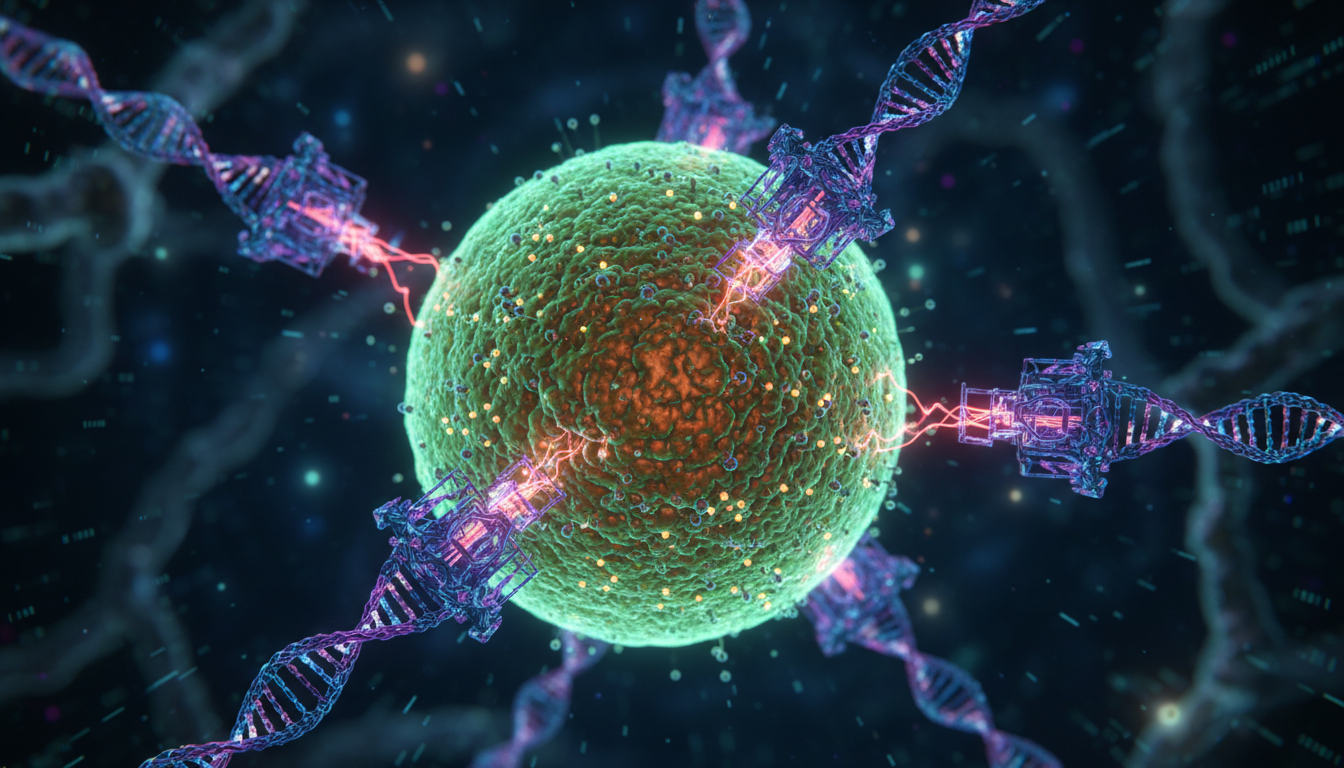
Recent advancements in biotechnology have allowed researchers to test these theories within living organisms, moving beyond the petri dish to observe how Epigenetic Rejuvenation affects complex physiological systems. By utilizing specific transcription factors, scientists are now able to "rewind" the biological clock of cells, restoring youthful gene expression patterns while maintaining the cell's specialized function. This delicate balance represents the cutting edge of longevity science, promising a future where age-related diseases are treated by addressing the underlying cellular aging process itself.
We Also Published
The Biological Foundation of Epigenetic Rejuvenation
To understand the mechanics of Epigenetic Rejuvenation, one must first appreciate the distinction between the genetic code and the epigenetic software that runs upon it. While our DNA sequence remains largely static throughout our lives, the chemical modifications that dictate which genes are turned on or off change significantly as we age. This accumulation of "noise" in the epigenetic landscape leads to the loss of cellular identity and the functional decline that we associate with the biological process of growing old.
The core philosophy behind Epigenetic Rejuvenation is that this noise can be cleared, effectively rebooting the cell to a more pristine state of operation. This does not involve changing the DNA itself, but rather removing the methyl groups and other modifications that have cluttered the genome over time. By restoring the original regulatory landscape of the cell, researchers aim to bring back the metabolic efficiency and regenerative capacity that are typically only found in the very early stages of an organism's life cycle.
The Role of Yamanaka Factors
The cornerstone of Epigenetic Rejuvenation lies in the work of Shinya Yamanaka, who identified four specific transcription factors—Oct4, Sox2, Klf4, and c-Myc—capable of turning adult cells back into pluripotent stem cells. These factors, often collectively referred to as OSKM, act as a master switch that can override the current epigenetic state of a cell. In the context of rejuvenation, the goal is not to achieve full pluripotency, which would cause the cell to lose its specific identity and function.
Instead, researchers are focusing on "partial reprogramming," where these factors are expressed for a very short duration to trigger Epigenetic Rejuvenation without reaching the point of stemness. This nuanced approach allows a heart cell to remain a heart cell while regaining the molecular profile of a much younger version of itself. The precision required for this timing is the subject of intense study, as it represents the difference between therapeutic restoration and dangerous cellular chaos in living subjects.
In vivo trials have shown that when these factors are introduced into aging mice, there is a measurable improvement in tissue repair and a reduction in markers of systemic inflammation. This suggests that the OSKM factors can effectively "prune" the epigenetic tree, removing the detrimental modifications that hinder cellular performance. The ability to trigger this process within a living organism marks a turning point in our ability to manipulate the very fundamental mechanisms of biological time and cellular health.
Furthermore, the delivery of these factors has evolved from simple viral vectors to more sophisticated, controllable systems that can be toggled on and off with chemical triggers. This control is vital for Epigenetic Rejuvenation, as it prevents the over-expression of genes that could lead to uncontrolled cell growth. By fine-tuning the dosage and duration of OSKM exposure, scientists are learning how to maximize the youthful benefits while minimizing the risks associated with such a powerful biological intervention in complex animal models.
The success of these trials depends on the ability of the Yamanaka factors to navigate the dense architecture of the aged genome, which is often tightly packed and resistant to change. Epigenetic Rejuvenation requires these factors to access specific loci that have been silenced by decades of environmental and internal stress. As we refine our understanding of how these proteins interact with chromatin, the possibility of creating a universal toolkit for cellular age reversal becomes increasingly plausible for various mammalian species.
Resetting the Epigenetic Clock
Central to the verification of Epigenetic Rejuvenation is the use of "epigenetic clocks," which are mathematical models that measure biological age based on DNA methylation patterns. These clocks have demonstrated that biological age can often differ significantly from chronological age, providing a quantifiable metric for the success of rejuvenation therapies. When a cell undergoes partial reprogramming, these clocks show a dramatic shift backward, indicating that the molecular state has indeed been restored to a more youthful configuration.
The process of resetting the clock involves a global reorganization of the epigenome, where the cell's regulatory machinery is encouraged to return to its "factory settings." This Epigenetic Rejuvenation process targets the specific methylation sites that correlate most strongly with mortality and age-related decline. By smoothing out these epigenetic peaks and valleys, the cell regains the ability to respond to external stimuli with the same vigor and accuracy as it did during the organism's developmental peak.
One of the most fascinating aspects of this reset is that it appears to be a coordinated event across the entire cell, rather than a series of isolated changes. Epigenetic Rejuvenation seems to trigger a holistic recovery mechanism that addresses mitochondrial dysfunction, protein folding errors, and telomere attrition simultaneously. This suggests that the epigenetic state is the primary conductor of the aging orchestra, and by tuning it, we can harmonize all the various biological systems that have fallen out of sync.
Researchers are now investigating whether different tissues have different "reset points" and how the local environment of the organ influences the success of the clock reversal. In the context of Epigenetic Rejuvenation, a liver cell may require a different duration of factor expression compared to a neuron. Understanding these tissue-specific requirements is essential for moving toward whole-body rejuvenation, where the goal is to synchronize the biological ages of all vital organ systems within the individual.
The ultimate objective of resetting the epigenetic clock is to extend the "healthspan"—the period of life spent in good health—rather than just the total lifespan. By maintaining the epigenetic integrity of our cells, we can potentially prevent the onset of chronic diseases that are currently viewed as inevitable consequences of aging. Epigenetic Rejuvenation offers a path toward a future where the physical and mental decline of old age is no longer a certainty but a manageable biological condition.
Navigating the Risks of In Vivo Trials
While the potential of Epigenetic Rejuvenation is vast, the transition from laboratory cultures to in vivo trials in living animals presents significant safety challenges. The primary concern is the inherent power of the Yamanaka factors to induce pluripotency, which, if left unchecked, can lead to the formation of teratomas—tumors composed of multiple tissue types. Ensuring that the reprogramming process remains "partial" and does not cross the threshold into full stemness is the most critical hurdle for researchers today.
In vivo trials must also account for the complex interactions between different cell types and the systemic environment of a living organism, which cannot be fully replicated in a dish. Epigenetic Rejuvenation must be applied in a way that is uniform enough to be effective but controlled enough to avoid systemic toxicity. This requires a deep understanding of pharmacokinetics and the development of delivery systems that can target specific tissues without leaking into unintended areas of the body, causing off-target effects.
Preventing Malignant Transformation
The risk of cancer is the "elephant in the room" when discussing Epigenetic Rejuvenation through the use of OSKM factors. Because these factors are involved in cell proliferation and the removal of cellular differentiation, they share many characteristics with oncogenes. To mitigate this risk, researchers are developing "pulsed" protocols, where the factors are expressed for short, intermittent bursts. This approach provides enough stimulus for rejuvenation while allowing the cell to maintain its specialized identity and regulatory checkpoints.
Another strategy involves the removal of the c-Myc factor, which is the most strongly associated with tumor formation among the four original Yamanaka factors. Some studies in Epigenetic Rejuvenation have shown that using only OSK (Oct4, Sox2, and Klf4) can still achieve significant age reversal with a much lower risk of malignancy. This refinement of the molecular cocktail is a key focus of current in vivo research, as it moves the technology closer to human safety standards.
Furthermore, the use of small molecules to mimic the effects of Yamanaka factors is being explored as a safer alternative to genetic engineering. These chemical compounds can be designed to have a shorter half-life and more predictable behavior within the body, offering a higher degree of control over the Epigenetic Rejuvenation process. By using chemicals to modulate the epigenetic landscape, scientists can potentially avoid the permanent genomic changes that come with viral-mediated gene therapy, reducing long-term risks.
Monitoring the long-term health of trial subjects is also essential to ensure that the rejuvenated cells do not develop late-onset abnormalities. In vivo studies of Epigenetic Rejuvenation often involve longitudinal tracking of mice to observe any changes in behavior, organ function, or lifespan. These studies provide the data necessary to build a safety profile that will eventually be required by regulatory agencies before any human trials can be considered or approved for clinical use.
Ultimately, the goal is to find the "Goldilocks zone" of cellular reprogramming—enough to restore function, but not so much that it triggers uncontrolled growth. The precision of Epigenetic Rejuvenation is being enhanced by real-time monitoring of gene expression, allowing researchers to shut down the process the moment the desired epigenetic state is reached. This level of control is the fundamental requirement for transforming this powerful biological tool into a safe and effective medical treatment for the general population.
Optimizing Delivery Mechanisms
The success of Epigenetic Rejuvenation in vivo is heavily dependent on the efficiency and specificity of the delivery systems used to transport the reprogramming factors. Traditional methods, such as adenovirus or lentivirus vectors, are effective but can trigger immune responses or integrate into the host genome in unpredictable ways. To overcome these issues, researchers are increasingly turning to lipid nanoparticles (LNPs), which can encapsulate mRNA or proteins and deliver them directly to target cells without genetic integration.
LNPs offer a significant advantage for Epigenetic Rejuvenation because they allow for transient expression of the factors, which is exactly what is needed for partial reprogramming. Once the mRNA is translated into protein and performs its function, it is naturally degraded by the cell, leaving no permanent genetic footprint. This transient nature is a perfect match for the "pulsed" delivery protocols that have proven most effective and safe in recent animal trials for age reversal.
Targeting specific organs is another major focus, as systemic delivery can lead to unwanted side effects in healthy tissues. By modifying the surface of the nanoparticles with specific ligands, scientists can direct the Epigenetic Rejuvenation factors to the liver, kidneys, or even the brain. This localized approach allows for the treatment of specific age-related conditions, such as chronic kidney disease or neurodegeneration, without exposing the entire body to the powerful effects of the Yamanaka factors unnecessarily.
In addition to nanoparticles, researchers are exploring the use of extracellular vesicles, such as exosomes, as natural delivery vehicles for Epigenetic Rejuvenation. These tiny bubbles are produced by cells to communicate with one another and can carry a cargo of proteins and nucleic acids across biological barriers. Utilizing the body's own communication network for rejuvenation therapy could reduce the risk of immune rejection and improve the overall distribution of the therapeutic factors within complex tissues.
As delivery technology continues to improve, the barriers to effective in vivo Epigenetic Rejuvenation are slowly being dismantled. The ability to precisely control where, when, and for how long these factors are active is the key to moving from experimental biology to clinical medicine. Each advancement in delivery brings us closer to a future where cellular reprogramming can be administered as a routine medical intervention to maintain tissue health and prevent the onset of age-related decline.
Clinical Milestones in Cellular Programming
The transition of Epigenetic Rejuvenation from theory to practice has been marked by several landmark studies that have demonstrated the potential of this technology in living animals. These trials have not only shown that age reversal is possible but have also identified the specific tissues that are most responsive to reprogramming. From restoring sight to improving metabolic health, the results of these in vivo experiments are providing the roadmap for the next generation of longevity treatments and regenerative medicine.
One of the most significant breakthroughs in Epigenetic Rejuvenation involved the successful restoration of vision in aged mice and mice with damaged optic nerves. This study proved that the central nervous system, which was previously thought to have very limited regenerative capacity, could be "rebooted" to a youthful state. The implications of this research are profound, suggesting that many forms of sensory loss and neurological decline could eventually be reversed by addressing the epigenetic health of the underlying neurons.
Restoring Vision and Neural Function
In the landmark study on vision restoration, researchers used a viral vector to deliver three Yamanaka factors (OSK) to the retinal ganglion cells of mice. This targeted Epigenetic Rejuvenation allowed the damaged axons to regenerate and reconnect with the brain, effectively restoring sight to the animals. The success of this trial was attributed to the factors' ability to reset the epigenetic clock of the neurons, allowing them to regain the growth potential they possessed during embryonic development.
This research provided the first clear evidence that Epigenetic Rejuvenation could restore complex physiological functions that had been lost due to age or injury. It demonstrated that the "memory" of how to grow and repair is still present within the DNA of adult cells, but it is simply locked away by epigenetic modifications. By unlocking this potential, scientists were able to bridge the gap between simple cellular changes and meaningful functional recovery in a highly specialized sensory system.
The success in the retina has sparked interest in applying Epigenetic Rejuvenation to other parts of the nervous system, including the brain and spinal cord. Researchers are investigating whether similar protocols can be used to treat neurodegenerative diseases like Alzheimer's or Parkinson's by rejuvenating the neurons and the surrounding glial cells. The goal is to create a more resilient neural environment that can resist the toxic proteins and inflammatory signals that characterize these devastating age-related conditions.
However, the brain presents unique challenges for Epigenetic Rejuvenation, including the blood-brain barrier and the extreme complexity of neural circuits. Precise delivery and control are even more critical here, as any disruption of neural identity could have catastrophic consequences for cognition and behavior. Despite these hurdles, the vision restoration trials have provided a "proof of concept" that has energized the entire field of regenerative neuroscience and opened new avenues for therapeutic development.
As we look toward the future, the integration of Epigenetic Rejuvenation with other neural technologies, such as brain-computer interfaces or advanced neuroimaging, could lead to a new era of cognitive enhancement and repair. By maintaining the epigenetic youth of our brains, we may be able to preserve our memories, learning capacity, and personality well into our second century of life. The retina was just the beginning; the entire nervous system is now a potential target for the transformative power of cellular reprogramming.
Reversing Systemic Metabolic Aging
Beyond the nervous system, Epigenetic Rejuvenation is showing great promise in addressing metabolic decline, which is a hallmark of the aging process. In vivo trials have demonstrated that partial reprogramming can improve glucose metabolism, reduce insulin resistance, and enhance the function of the liver and pancreas in aged animals. These systemic effects suggest that rejuvenation at the cellular level can lead to a cascade of benefits that improve the overall health and vitality of the entire organism.
The liver, in particular, has shown remarkable plasticity in response to Epigenetic Rejuvenation protocols. Studies have found that even a short course of Yamanaka factor expression can significantly improve the liver's ability to regenerate after injury and clear toxins from the blood. This has major implications for treating chronic liver diseases and the general decline in detoxification capacity that occurs as we age, potentially extending the functional life of this vital organ system.
In the context of metabolic health, Epigenetic Rejuvenation also appears to influence the behavior of adipose tissue and the regulation of systemic inflammation. By resetting the epigenetic state of fat cells and immune cells, researchers have observed a reduction in the "inflammaging" that drives many chronic diseases. This suggests that rejuvenation therapy could act as a multi-target intervention, addressing the root causes of metabolic syndrome, cardiovascular disease, and type 2 diabetes simultaneously by improving cellular signaling.
The kidneys are another organ that has benefited from Epigenetic Rejuvenation in animal models, showing improved filtration rates and reduced fibrosis after treatment. Since kidney function naturally declines with age and is a major predictor of overall mortality, the ability to rejuvenate renal tissue could have a significant impact on human lifespan and quality of life. These trials highlight the versatility of cellular reprogramming as a tool for systemic health restoration across diverse and complex organ systems.
As researchers continue to refine these systemic protocols, the focus is shifting toward the development of "rejuvenation cocktails" that can be administered periodically to maintain metabolic health. Epigenetic Rejuvenation could eventually become a preventative measure, similar to a vaccine or a regular check-up, designed to clear the epigenetic noise before it leads to clinical disease. This shift from reactive to proactive medicine represents the ultimate promise of longevity science and the study of cellular reprogramming.
Ethical Frontiers of Longevity Research
The rapid progress of Epigenetic Rejuvenation brings with it a host of ethical and societal questions that must be addressed alongside the scientific challenges. As we gain the power to manipulate the biological clock, we must consider the implications of significantly extending human life and the potential for creating deep social inequalities. The prospect of a "rejuvenation gap," where only the wealthy have access to these life-extending technologies, is a major concern for ethicists and policymakers worldwide.
Furthermore, the definition of what it means to be "human" may be challenged as we gain the ability to reset our biological age at will. Epigenetic Rejuvenation blurs the line between natural aging and medical intervention, forcing us to reconsider our relationship with mortality and the cycle of life. These philosophical questions are not just academic; they will shape the regulatory frameworks and social norms that govern the use of rejuvenation therapies in the decades to come.
Regulatory Frameworks for Rejuvenation
Current regulatory bodies, such as the FDA and EMA, are primarily designed to evaluate treatments for specific diseases, rather than the aging process itself. For Epigenetic Rejuvenation to reach the clinic, there must be a shift in how we categorize aging within the medical system. If aging is recognized as a treatable condition, it would open the door for large-scale clinical trials and insurance coverage for rejuvenation therapies, making them more accessible to the general public.
Developing safety standards for Epigenetic Rejuvenation is another regulatory priority, as the long-term effects of cellular reprogramming in humans are still unknown. Regulators will need to establish rigorous protocols for monitoring patients for potential side effects, such as cancer or loss of tissue function, over many years. The complexity of the epigenome means that even small errors in reprogramming could have delayed consequences, requiring a highly cautious and evidence-based approach to clinical approval.
International cooperation will also be essential, as the development of Epigenetic Rejuvenation is a global endeavor with research taking place in laboratories across the world. Harmonizing regulatory standards will prevent "rejuvenation tourism," where individuals travel to countries with lax oversight to receive unproven and potentially dangerous treatments. A unified global framework would ensure that all rejuvenation therapies meet the same high standards of safety and efficacy, protecting patients and the integrity of the field.
Intellectual property and patent laws will also play a crucial role in the accessibility of Epigenetic Rejuvenation technologies. There is a risk that a small number of companies could hold the keys to life extension, leading to exorbitant costs and limited availability. Policymakers must find a balance between incentivizing innovation and ensuring that these transformative medical breakthroughs are treated as a public good, available to all who need them regardless of their socioeconomic status.
Finally, the inclusion of diverse populations in clinical trials is vital to ensure that Epigenetic Rejuvenation is safe and effective for everyone. Genetic and environmental factors can influence how an individual responds to cellular reprogramming, and these differences must be understood before the technology is widely deployed. By building an inclusive and transparent regulatory path, we can ensure that the benefits of rejuvenation science are shared equitably across all of humanity, fulfilling its potential to improve global health.
The Socioeconomic Impact of Longevity
The successful implementation of Epigenetic Rejuvenation would lead to a radical restructuring of our society, from the way we work to the way we plan for retirement. If people can remain healthy and productive for 120 years or more, the traditional "three-stage" life of education, work, and retirement will become obsolete. This shift will require a complete overhaul of our economic systems, including pension funds, healthcare infrastructure, and the labor market, to accommodate a much older but more vital population.
On the positive side, Epigenetic Rejuvenation could significantly reduce the "silver tsunami" of age-related healthcare costs that currently threatens the stability of many national economies. By preventing chronic diseases and maintaining independence, rejuvenation therapy could save trillions of dollars in long-term care and medical expenses. The "longevity dividend"—the economic benefit of a healthy, aging population—could drive unprecedented levels of innovation and productivity, as experienced individuals continue to contribute to society for longer.
However, there are also concerns about overpopulation and the strain on natural resources if the global population continues to grow and live longer. Epigenetic Rejuvenation must be paired with sustainable development and a renewed focus on environmental stewardship to ensure that a longer-lived humanity does not exhaust the planet's capacity to support it. This requires a holistic approach to longevity that considers the health of the individual within the context of the health of the entire global ecosystem.
The impact on family structures and social dynamics is another area of intense interest, as multi-generational families with four or five living generations become the norm. Epigenetic Rejuvenation could strengthen family bonds and allow for a more profound transfer of knowledge and culture between the young and the old. Conversely, it could also lead to generational conflict over resources and opportunities, requiring new social contracts to ensure that every age group has a voice and a place in society.
In conclusion, Epigenetic Rejuvenation is not just a biological challenge; it is a catalyst for a total transformation of the human experience. As we stand on the threshold of this new era, we must approach the science with both ambition and humility, recognizing the power we are beginning to wield. By navigating the technical, ethical, and social frontiers with care, we can unlock a future where aging is no longer a burden, but a journey of continuous growth and health for all.
From our network :
- EV 2.0: The Solid-State Battery Breakthrough and Global Factory Expansion
- 98% of Global MBA Programs Now Prefer GRE Over GMAT Focus Edition
- AI-Powered 'Precision Diagnostic' Replaces Standard GRE Score Reports
- 10 Physics Numerical Problems with Solutions for IIT JEE
- Mastering DB2 12.1 Instance Design: A Technical Deep Dive into Modern Database Architecture
- https://www.themagpost.com/post/analyzing-trump-deportation-numbers-insights-into-the-2026-immigration-crackdown
- Vite 6/7 'Cold Start' Regression in Massive Module Graphs
- https://www.themagpost.com/post/trump-political-strategy-how-geopolitical-stunts-serve-as-media-diversions
- Mastering DB2 LUW v12 Tables: A Comprehensive Technical Guide
RESOURCES
- Cellular reprogramming and epigenetic rejuvenation
- Epigenetic reprogramming as a key to reverse ageing and increase ...
- Small-molecule-induced epigenetic rejuvenation promotes SREBP ...
- Cellular reprogramming and epigenetic rejuvenation | Clinical ...
- Epigenetic rejuvenation by partial reprogramming
- Mechanisms, pathways and strategies for rejuvenation through ...
- Small-molecule-induced epigenetic rejuvenation promotes SREBP ...
- One-year Mediterranean diet promotes epigenetic rejuvenation with ...
- Epigenetic clocks reveal a rejuvenation event during embryogenesis ...
- Aging, Rejuvenation, and Epigenetic Reprogramming: Resetting the ...
- In vivo reprogramming and epigenetic rejuvenation of adult ...
- Transient Epigenetic Rejuvenation Recorded in Athletes
- A Biophysics of Epigenetic Rejuvenation
- Epigenetic Regulation of Aging and its Rejuvenation - An - 2025 ...
- ARTful ageing: epigenetic rejuvenation in people with HIV - The ...
-----------------------------------------------------------


0 Comments