CHEMISTRY
Resources & Insights
Explore chemistry, the science of matter and its interactions. Learn about atoms, molecules, chemical reactions, periodic trends, and the principles of organic, inorganic, and physical chemistry. Perfect for students, educators, and science enthusiasts seeking to understand the composition, structure, and behavior of substances in the natural world
New Study Challenges Thermodynamics Laws: Surprising Findings
A new study challenges the laws of thermodynamics revealing unexpected results in liquid mixtures. Learn more about the surprising findings! READ MORE...

Navigating the CBSE Board Exams 2025: A Comprehensive Guide
Conquer the CBSE Board Exams 2025 with our guide! Learn effective study strategies, time management tips, and overcome exam anxiety for success. READ MORE...

An Introduction to the Periodic Table
The periodic table is a fundamental tool in chemistry, organizing the elements based on their atomic structure and properties. This systematic arrangement not only facilitates the study of chemical behavior but also provides insights into the relationships between different elements. In this comprehensive guide, we will explore the history, structure, and significance of the periodic table, making it accessible for both students and enthusiasts alike. History of the Periodic Table The journey of the periodic table began in the early 19th century when scientists sought to classify elements based on their properties. Dmitri Mendeleev is often credited with the creation of the first widely recognized periodic table in 1869. His innovative arrangement of elements by increasing atomic mass revealed […] READ MORE...

Acids, Bases and Salts: Comprehensive Guide
Acids, Bases and Salts represent fundamental categories in chemistry that play crucial roles in various chemical reactions and real-world applications. Understanding their properties, behaviour in different reactions, and how they interact with each other forms the basis for deeper chemical knowledge that extends far beyond the classroom. In this detailed guide, we will delve into the intricacies of acids, bases and salts, their chemical properties, their acid-base reactions, and their significant presence in everyday life. What are Acids? Acids are substances that release hydrogen ions (\( \text{H}^+ \)) when dissolved in water, thereby increasing the concentration of \( \text{H}^+ \) ions in the solution. Acids exhibit characteristic properties such as a sour taste, the ability to turn blue litmus paper […] READ MORE...
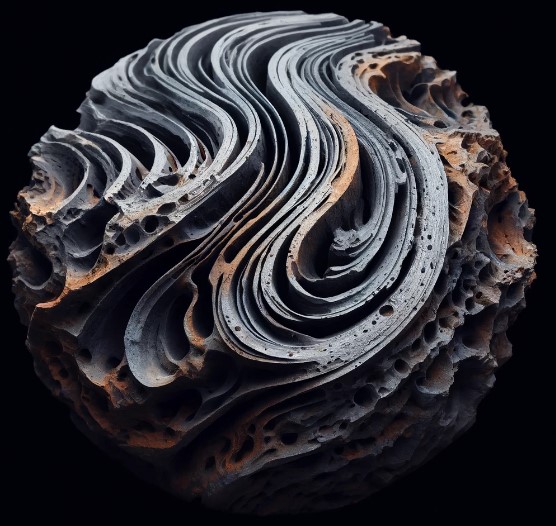
The Legacy of Puddled Iron in Contemporary Metallurgy
Puddled iron is a refined form of iron produced through a process known as puddling. It was a significant technological innovation during the early stages of the Industrial Revolution, providing a method to transform crude pig iron into a more malleable and durable material suitable for various applications. The puddling process involves melting pig iron in a reverberatory furnace and stirring it with rods, which oxidizes impurities such as carbon and silicon, resulting in a more refined iron product. READ MORE...
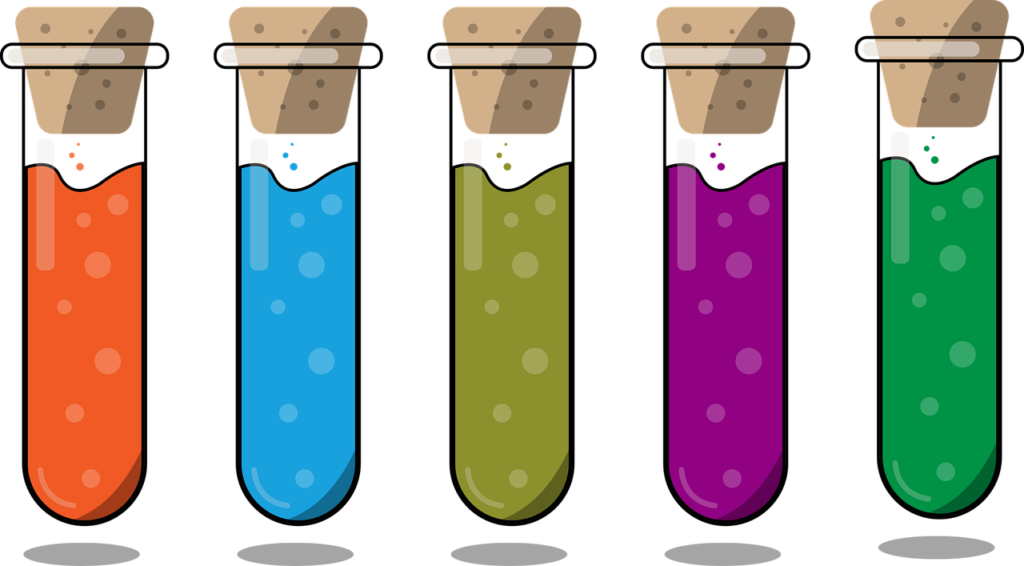
What are acids. bases and salts?
These three types of compounds play crucial roles in various chemical reactions and are important in fields such as chemistry, biology, and industry. Understanding their properties and behavior is fundamental in chemistry and helps explain a wide range of natural and chemical processes. READ MORE...

Metal compound A reacts with dilute hydrochloric acid to produce effervescence. The gas evolved extinguishes a burning candle. Write a balanced chemical equation for the reaction if one of the compounds formed is calcium chloride. Also, determine the Metal Compound A.
Based on the information provided, the metal compound A reacts with dilute hydrochloric acid to produce effervescence, and the gas evolved extinguishes a burning candle. Additionally, one of the compounds formed in the reaction is calcium chloride. Let's write the balanced chemical equation for this reaction: Metal Compound A + Hydrochloric Acid → Calcium Chloride + Gas + Water Since calcium chloride is formed, we can represent it as CaCl2. The gas evolved that extinguishes a burning candle is hydrogen gas (H2). The balanced chemical equation for the reaction is as follows: Metal Compound A + 2HCl → CaCl2 + H2 + H2O In this reaction, the metal compound A reacts with hydrochloric acid (HCl) to produce calcium chloride (CaCl2) […] READ MORE...

Which gas is usually liberated when an acid reacts with a metal? Illustrate with an example. How will you test for the presence of this gas?
When an acid reacts with a metal, hydrogen gas (H2) is usually liberated. The reaction between an acid and a metal is a type of single-displacement or single-replacement reaction, where the more reactive metal displaces hydrogen from the acid, forming a metal salt and releasing hydrogen gas. Here's an example of the reaction between hydrochloric acid (HCl) and zinc (Zn): Hydrochloric Acid + Zinc → Zinc Chloride + Hydrogen Gas 2HCl + Zn → ZnCl2 + H2 Testing for the Presence of Hydrogen Gas: To test for the presence of hydrogen gas, you can perform the "pop" test. This test is a simple way to detect the presence of hydrogen gas, as hydrogen is highly flammable. When hydrogen gas is […] READ MORE...