
As θ → 0, we have cosθ → 1
Proof :
When θ = 0, We have, lim\(_{θ\to 0} \cos \)θ = cos0 = 1 { ∵ cos0 = 1 }
Hence,
ADVERTISEMENT
As θ → 0, we have cosθ → 1
Proof :
When θ = 0, We have, lim\(_{θ\to 0} \cos \)θ = cos0 = 1 { ∵ cos0 = 1 }
Hence,
Explore the intricate thermodynamic principles, operational mechanisms, and engineering challenges of external combustion engines, from classic steam systems to modern Stirling designs. This technical overview delves into efficiency limits, environmental considerations, and their role in energy conversion.
Explore the fundamental principles of Nuclear Magnetic Resonance (NMR) spectroscopy, from nuclear spin and Larmor precession to chemical shift and relaxation processes. Discover its diverse applications in chemistry, physics, and medicine.
An in-depth technical analysis of the degradation mechanisms in copper acetoarsenite pigments. Explores thermodynamics, reaction kinetics, and spectroscopic evidence.
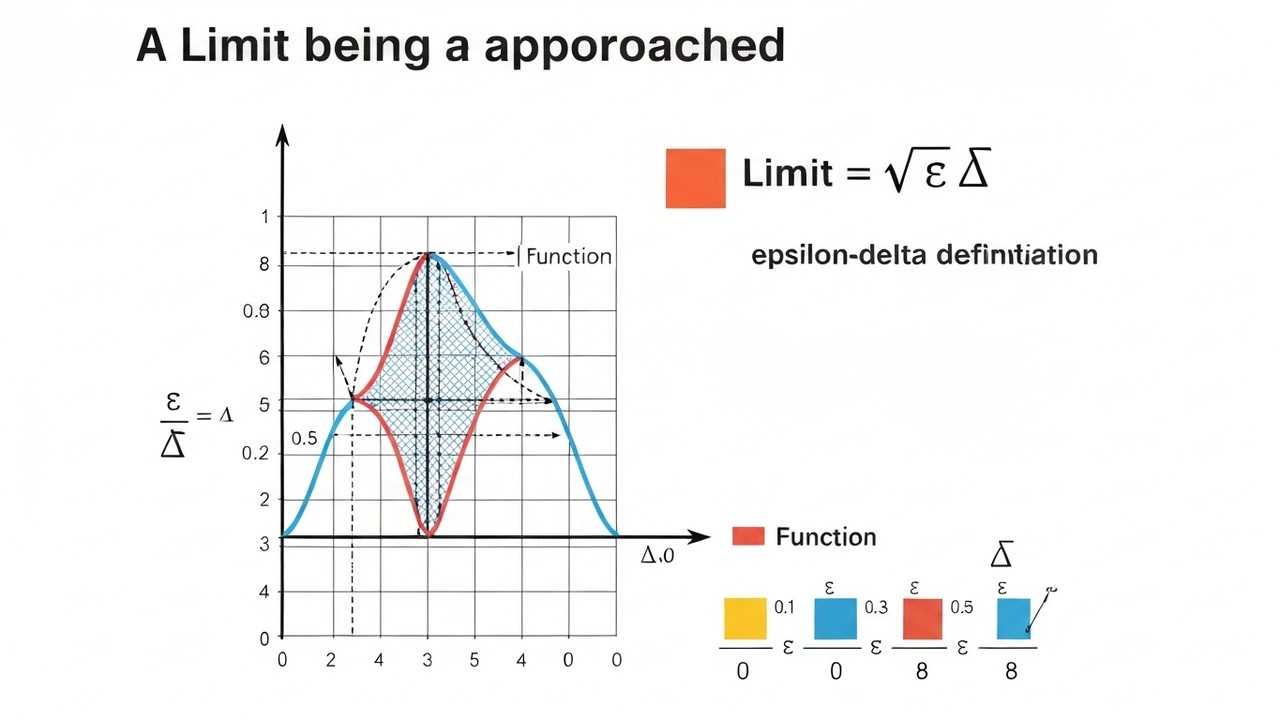
Understanding **limits of functions** is essential in calculus. This guide explains the epsilon-delta definition, theorems, and applications to help you master this fundamental concept.
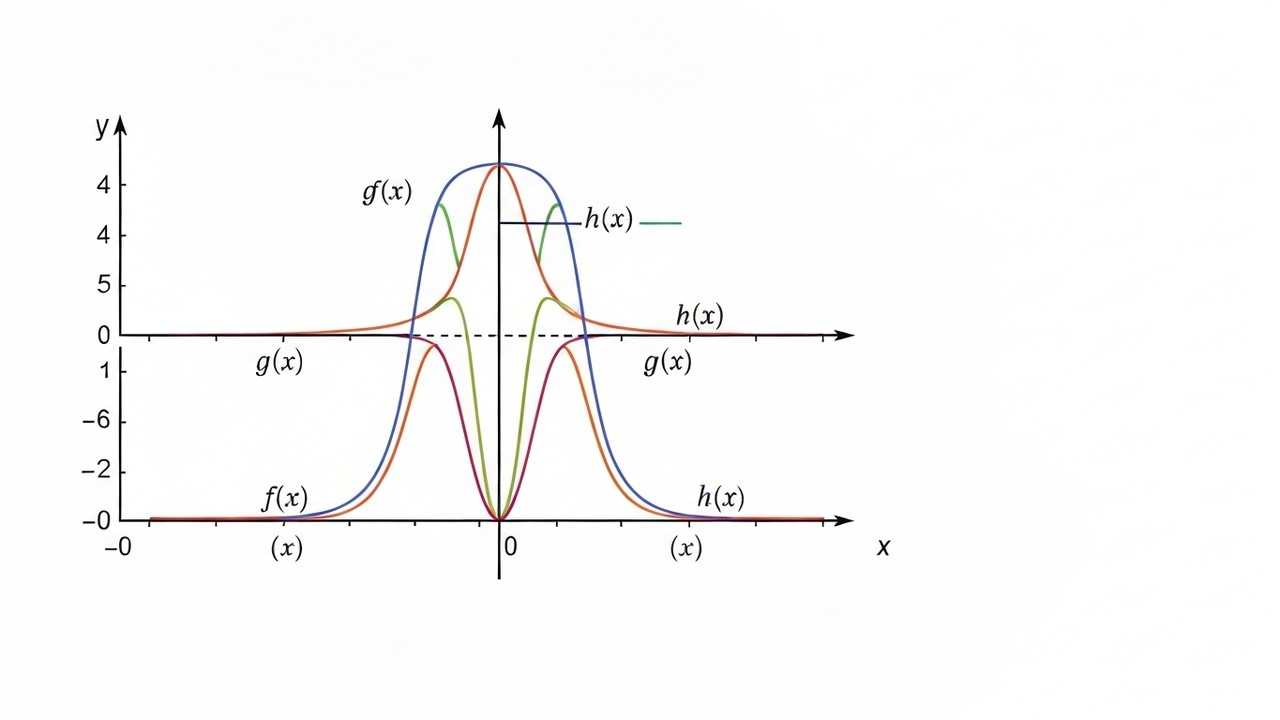
The Squeeze Theorem is a calculus concept that uses bounding functions to determine the limit of a function. The article explains how it works and provides examples.
Learn how to solve Evaluating Limits Problems with this step-by-step guide. We’ll cover the fundamentals and provide clear examples.
Learn how to solve Limits at Infinity with this comprehensive guide. Understand the concepts and techniques through clear examples and step-by-step solutions.
0 Comments