
On This Page
The emergence of bio-electronic interfaces represents a monumental shift in how we approach the intersection of biology and technology. By bridging the gap between organic matter and inorganic silicon, researchers are unlocking unprecedented possibilities for communication. This field has transitioned from simple physical probes to complex molecular-level integration systems today.
Modern advancements in 2026 highlight a specific focus on direct electron transfer between proteins and semiconductors. This eliminates the traditional reliance on bulky electrodes that often cause signal degradation or tissue damage. We are now witnessing the birth of truly integrated biological systems that function seamlessly with digital hardware components.
We Also Published
The Evolution of Bio-Electronic Interfaces
The historical trajectory of bio-electronics has been defined by a constant search for better biocompatibility and signal fidelity. In the early days, researchers struggled with the physical mismatch between rigid metallic components and the soft, fluid nature of biological tissues. This led to significant inflammation and eventual device failure.
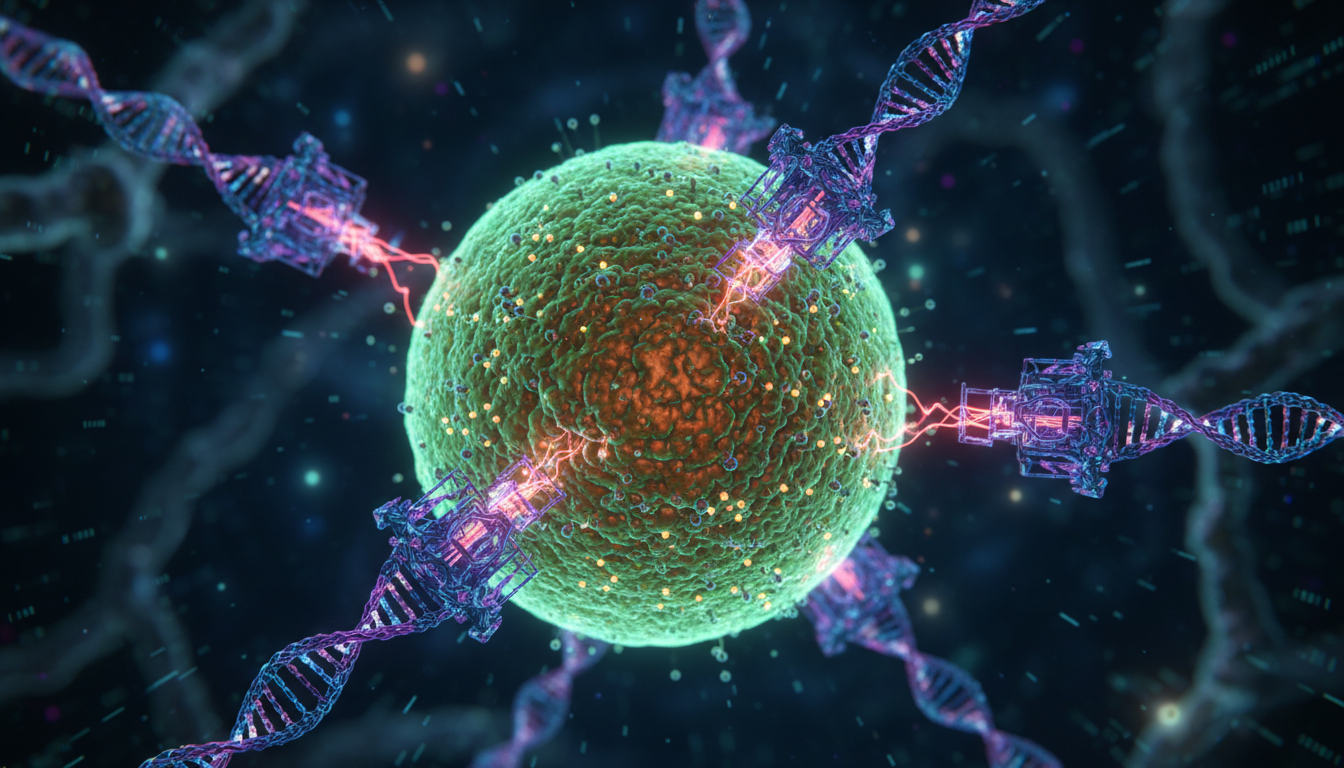
However, the shift toward molecular-level interfacing has changed the landscape by focusing on the fundamental units of life. Instead of using large wires, scientists are now utilizing specialized proteins to act as the primary communication link. This approach allows for a much more intimate and stable connection with silicon chips.
Early Implants and the Interface Challenge
Early bio-electronic systems were primarily focused on providing electrical stimulation to muscles or nerves to restore function. These devices, while pioneering, were limited by their inability to read complex biological signals with high resolution. The interface was often a bottleneck that prevented more sophisticated interactions between man and machine.
One of the biggest challenges faced by early innovators was the foreign body response where the immune system attacked implants. This response created a layer of scar tissue around electrodes, which acted as an insulator and blocked electrical signals. Overcoming this hurdle required a completely different approach to interface design.
Researchers began to realize that the key to better integration lay in mimicking the natural signaling pathways of the body. By studying how cells communicate through ion channels and redox reactions, the foundation for modern bio-electronic interfaces was laid. This knowledge was essential for moving beyond simple electrical stimulation devices.
The development of conductive polymers provided a temporary solution by offering a softer material for electrodes to touch tissues. While these polymers improved biocompatibility, they still did not address the fundamental issue of signal transduction at the molecular level. A more direct method of communication was still desperately needed.
Eventually, the focus shifted toward using proteins, which are the natural workhorses of cellular communication and energy transfer. By leveraging the specific binding properties and electron-transfer capabilities of these molecules, scientists could finally envision a direct link. This marked the beginning of the protein-to-silicon communication era in modern biophysics.
The Shift to Molecular-Level Communication
The transition to molecular-level communication represents a departure from the macroscopic world of wires and physical contact points. In this new paradigm, the protein itself becomes the sensor and the transmitter, operating at the scale of nanometers. This allows for a level of precision that was previously considered impossible.
By engineering proteins to sit directly on a silicon substrate, researchers have created a seamless bridge for electron flow. This direct communication allows for the real-time monitoring of biological processes without the noise associated with traditional electrodes. It is a cleaner, faster, and more efficient way to collect data.
The use of cytochromes has been particularly instrumental in this shift toward molecular-level bio-electronic interfaces in recent years. These proteins are naturally designed to transport electrons within cells, making them the perfect candidates for silicon integration. They act as biological wires that can plug directly into a digital circuit.
This molecular approach also allows for the creation of massively parallel interfaces where thousands of proteins work simultaneously. Each protein can be tuned to detect a different molecule, creating a high-density sensor array on a single chip. This scalability is a key advantage of protein-to-silicon communication technology.
Furthermore, molecular-level interfacing reduces the power requirements of bio-electronic devices because signals do not need to be amplified. The direct transfer of electrons is highly efficient, mimicking the low-energy consumption of biological systems. This is a critical factor for the development of long-term medical implants and sensors.
Molecular Mechanisms of Protein-to-Silicon Communication
Understanding the molecular mechanisms behind protein-to-silicon communication is essential for optimizing these bio-electronic interfaces for real-world use. At the heart of this technology is the ability of certain proteins to transfer electrons directly to a semiconductor surface. This process relies on quantum tunneling and specific molecular orientations.
The chemistry of these interfaces is complex, involving the precise alignment of protein active sites with the silicon substrate. Engineers must carefully control the surface properties of the silicon to ensure that the proteins remain functional and stable. This synergy between biology and material science is the defining characteristic.
Protein Engineering for Electron Transfer
Protein engineering plays a vital role in creating efficient bio-electronic interfaces by modifying the structure of electron-transfer proteins. Scientists use site-directed mutagenesis to place redox-active centers closer to the protein surface, facilitating faster electron flow. These engineered proteins are designed to bind specifically to silicon surfaces with high affinity.
One particular class of proteins being utilized is cytochromes, which are naturally involved in cellular respiration and electron transport. By tailoring these cytochromes, researchers can create a reliable bridge between biological redox reactions and electronic circuits. This allows for the direct translation of biological events into measurable digital signals.
The orientation of the protein on the silicon chip is another critical factor that determines the efficiency of the interface. If the protein is oriented incorrectly, the electron transfer distance increases, significantly reducing the signal strength. Therefore, chemical linkers are often used to anchor the proteins in the ideal position.
Advanced computational modeling helps scientists predict how these proteins will interact with various semiconductor materials before experiments begin. This in silico design process speeds up the development of new bio-electronic interfaces by identifying the most promising protein candidates. It also allows for the optimization of electron tunneling pathways within.
The stability of these engineered proteins is also a major concern, as they must remain active in non-biological environments. Researchers are developing protective coatings and stabilization techniques to ensure that the bio-electronic interfaces can function for extended periods. This durability is essential for the practical application of these devices.
Silicon Surface Functionalization and Bonding
The silicon surface must be carefully prepared to receive biological molecules without causing them to denature or lose function. This process, known as surface functionalization, involves applying thin layers of molecules that promote adhesion and electron transfer. It is a delicate balance between electrical conductivity and biological compatibility in design.
One common technique is the use of self-assembled monolayers, which provide a uniform and predictable surface for protein attachment. These monolayers can be customized with specific functional groups that bond with the amino acids in the protein. This ensures a stable and durable connection between the biology and silicon.
The choice of semiconductor material also impacts the performance of bio-electronic interfaces, with silicon being the most common choice. However, researchers are also exploring other materials like graphene and carbon nanotubes for their superior electrical properties. These materials could further enhance the speed and sensitivity of protein-to-silicon communication systems.
The interaction between the protein's electrical field and the semiconductor's charge carriers is what generates the digital signal. When a protein undergoes a redox reaction, it induces a change in the conductivity of the silicon chip. This change is then detected by the underlying circuitry and converted into data.
Achieving a high signal-to-noise ratio is one of the primary goals of silicon surface functionalization in bio-electronics research. By minimizing background interference and maximizing the efficiency of electron transfer, researchers can create incredibly sensitive devices. This precision is what makes molecular-level interfacing so powerful for future technological applications.
Applications in Biosensing and Medical Diagnostics
The ability to translate biological signals directly into digital data has profound implications for the field of biosensing. Bio-electronic interfaces allow for the creation of sensors that are both highly specific and incredibly sensitive. These devices can detect minute concentrations of molecules in complex biological fluids like blood.
In medical diagnostics, this technology offers the potential for real-time monitoring of health conditions at home. Patients could use small, wearable devices that track specific protein biomarkers associated with diseases like cancer or diabetes. This would enable early intervention and more personalized treatment plans for individuals worldwide.
Real-Time Molecular Diagnostics for Diseases
Real-time molecular diagnostics represent a significant leap forward from traditional laboratory testing, which can take days to produce results. With bio-electronic interfaces, the detection of a target molecule happens almost instantaneously on the silicon chip. This speed is crucial for diagnosing acute conditions where every minute counts for patients.
These interfaces can be designed to detect a wide range of biomarkers, including proteins, hormones, and even viral particles. By functionalizing the silicon chip with specific capture proteins, researchers can create a diagnostic tool for any disease. This versatility makes bio-electronic interfaces a cornerstone of future medical technology.
The digital nature of the output means that diagnostic data can be easily integrated with electronic health records. This allows doctors to track a patient's health over time and identify trends that might otherwise go unnoticed. It also facilitates the use of artificial intelligence to analyze complex biological data sets.
One of the most promising applications is the development of implantable sensors that provide continuous monitoring of chronic illnesses. These sensors could alert patients and doctors to potential problems before symptoms even appear, significantly improving outcomes. The low power consumption of protein-silicon interfaces makes long-term implantation a viable option.
Furthermore, the high sensitivity of these bio-electronic interfaces allows for the detection of diseases in their earliest stages. For example, detecting specific cancer proteins when they are still at very low levels could increase survival rates. This proactive approach to healthcare is the ultimate goal of molecular diagnostic research.
High-Fidelity Environmental and Chemical Sensing
Beyond healthcare, bio-electronic interfaces are being developed for high-fidelity environmental sensing and chemical detection in various industries. These sensors can "smell" or "taste" specific chemicals in the air or water with molecular precision. This is achieved by using proteins that have evolved to bind with specific environmental ligands.
Environmental monitoring stations could use these bio-hybrid chips to detect pollutants or toxic chemicals in real-time with high accuracy. This would provide early warning systems for industrial leaks or environmental disasters, protecting both human health and ecosystems. The digital output allows for remote monitoring of vast geographic areas quite easily.
In the food and beverage industry, bio-electronic interfaces can be used to ensure product quality and safety during production. Sensors could detect the presence of pathogens or spoilage molecules at the molecular level before products reach consumers. This would significantly reduce the risk of foodborne illnesses and minimize product waste.
The defense industry is also interested in these sensors for the detection of biological and chemical warfare agents. Bio-electronic interfaces offer a portable and highly sensitive solution for soldiers in the field to detect invisible threats. The ability to distinguish between harmless substances and dangerous toxins is a critical requirement.
The development of "electronic noses" based on protein-silicon communication is an exciting area of research with many potential applications. These devices mimic the biological olfactory system but provide a digital output that can be analyzed by computers. This technology could revolutionize everything from fragrance design to security screening processes.
The Future of Biological Computing and Energy Efficiency
The integration of proteins and silicon is not just about sensing; it is also about the future of computing. Biological systems are incredibly efficient at processing information, often using a fraction of the energy required by silicon computers. Bio-electronic interfaces provide a path toward creating hybrid computers that leverage this efficiency.
By using biological molecules like DNA for storage and proteins for processing, we can rethink the architecture of computers. These bio-hybrid systems could solve complex problems that are currently beyond the reach of traditional silicon-based machines. The potential for low-energy, high-performance computing is a major driver of this research.
DNA Storage and Protein Logic Gate Processing
DNA storage is a revolutionary concept that uses the four bases of DNA to encode digital information with high density. Bio-electronic interfaces are the key to reading and writing this data efficiently by connecting DNA with silicon chips. This could lead to storage systems that last for thousands of years without degradation.
Protein logic gates represent another exciting development in biological computing, where proteins perform mathematical operations based on molecular inputs. These gates can be integrated into silicon circuits to create hybrid processors that are both fast and energy-efficient. This approach mimics the way neurons process information in the human brain.
The combination of DNA storage and protein-based processing could result in computers that are significantly smaller and more powerful. These devices would be ideal for applications where space and power are limited, such as in space exploration. The biological components provide a level of complexity that is difficult to replicate.
Researchers are currently working on ways to scale up these protein logic gates to create more complex biological circuits. This involves designing networks of interacting proteins that can perform sophisticated computations within a single bio-electronic interface. The goal is to create a fully functional biological computer on a silicon chip.
One of the main advantages of this technology is its ability to operate in aqueous environments where traditional electronics fail. This opens up new possibilities for computing inside the human body or in other biological settings. The future of computing may be as much about biology as it is about silicon.
Neuromorphic Engineering Inspired by Protein Pathways
Neuromorphic engineering is a field that seeks to design computer hardware that mimics the structure and function of the brain. Bio-electronic interfaces are playing a central role in this effort by providing a direct link between biological neurons and silicon. This allows researchers to study and replicate the brain's efficient processing power.
By using protein-to-silicon communication, engineers can create artificial synapses that behave like their biological counterparts in the human nervous system. these synapses can learn and adapt over time, enabling the development of hardware-based artificial intelligence. This is a significant departure from software-based AI running on traditional processors.
The energy efficiency of neuromorphic systems is one of their most compelling features for the future of sustainable technology. The human brain can perform complex tasks with very little power, a feat that current supercomputers cannot match today. Bio-electronic interfaces provide the tools needed to unlock this level of efficiency in machines.
As these hybrid systems become more sophisticated, they could be used to create advanced prosthetics that feel and move like natural limbs. By connecting the nervous system directly to a silicon processor, we can achieve seamless integration between humans and machines. This is the ultimate goal of many researchers in the field.
As we look toward the future, the integration of bio-electronic interfaces into everyday technology seems increasingly inevitable and transformative. By harnessing the power of protein-to-silicon communication, we are building a more sustainable and efficient digital world. The journey from simple electrodes to molecular interfaces is just the beginning.
Also Read
- Investigate Simulation Theory: Is Our Universe Real or a Simulation?
- Swimmer in a River: RELATIVE AND ABSOLUTE MOTION NUMERICAL PROBLEMS
- Suppose the diameter of aerosol particles in a particular application is uniformly distributed between 2 and 6 nanometers. Find the probability that a randomly measured particle has diameter greater than 3 nanometers.
From our network :
- AI-Powered 'Precision Diagnostic' Replaces Standard GRE Score Reports
- https://www.themagpost.com/post/analyzing-trump-deportation-numbers-insights-into-the-2026-immigration-crackdown
- EV 2.0: The Solid-State Battery Breakthrough and Global Factory Expansion
- Mastering DB2 12.1 Instance Design: A Technical Deep Dive into Modern Database Architecture
- Vite 6/7 'Cold Start' Regression in Massive Module Graphs
- Mastering DB2 LUW v12 Tables: A Comprehensive Technical Guide
- 98% of Global MBA Programs Now Prefer GRE Over GMAT Focus Edition
- https://www.themagpost.com/post/trump-political-strategy-how-geopolitical-stunts-serve-as-media-diversions
- 10 Physics Numerical Problems with Solutions for IIT JEE
RESOURCES
- Bioelectronic interfaces
- MXene-infused bioelectronic interfaces for multiscale ...
- Perovskite nickelates as bio-electronic interfaces | Nature ...
- MXene-infused bioelectronic interfaces for multiscale ...
- Hybrid Bioelectronic Interfaces with Supramolecularly Immobilized ...
- Soft, Implantable Bioelectronic Interfaces for Translational Research ...
- Laboratory for Soft Bioelectronic Interfaces ‐ EPFL
- Three dimensional bioelectronic interfaces to small-scale biological ...
- Inkjet‐Printed Flexible Gold Electrode Arrays for Bioelectronic ...
- Bioinspired Materials for In Vivo Bioelectronic Neural Interfaces ...
- PEDOT-based stretchable optoelectronic materials and devices for ...
- Advances in AI-Integrated Soft Sensors as Bio-Electronic Interfaces ...
- Carbon nanofiber-filled conductive silicone elastomers as soft, dry ...
- Spinal cord bioelectronic interfaces: opportunities in neural ...
- Pioneering bioelectronic interfaces | MIT News | Massachusetts ...

0 Comments