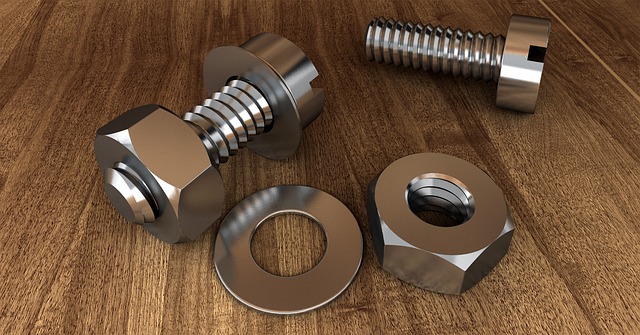
Metallurgy, the science and engineering of metals, is a cornerstone of modern civilization. From the earliest tools to the most advanced aerospace components, understanding and manipulating metals has driven human progress. At the heart of this intricate field are a select group of elements that possess unique properties, making them indispensable across virtually every industry. This comprehensive exploration delves into the top 5 metals used in metallurgy today, highlighting their critical roles, the complex processes that transform them, and their profound impact on technology and infrastructure.
The selection of these top 5 metals—iron, aluminum, copper, titanium, and nickel—is based on their volumetric usage, economic significance, versatility, and strategic importance in contemporary industrial applications. Each metal presents distinct challenges and opportunities for metallurgists, influencing everything from material design to manufacturing efficiency and sustainability. Understanding the fundamental characteristics and metallurgical pathways of these materials is crucial for anyone seeking to grasp the foundations of modern engineering and the future trajectory of material innovation. Join us as we uncover why these remain the top 5 metals used in metallurgy today.
On This Page
We Also Published
Iron and Steel: The Backbone of Civilization
Iron, primarily in its alloyed form as steel, stands unequivocally as the most vital of the top 5 metals used in metallurgy today. Its unparalleled combination of strength, ductility, and cost-effectiveness makes it indispensable for construction, automotive manufacturing, machinery, and countless other applications. The journey of iron from ore to advanced steel alloys is a testament to centuries of metallurgical innovation.
Fundamental Properties of Iron and Steel
Pure iron is a relatively soft, silvery-white metal. However, its true utility emerges when alloyed with carbon and other elements to form steel. Steel’s properties are highly tunable based on its composition and thermomechanical processing. Key properties include:
- Strength and Hardness: Steel offers high tensile strength and hardness, crucial for structural integrity.
- Ductility and Malleability: Many steel grades exhibit excellent ductility, allowing them to be formed into complex shapes without fracturing.
- Versatility: Its properties can be precisely controlled to meet specific application requirements, from soft, formable sheets to ultra-hard tools.
- Cost-effectiveness: Abundant raw materials and efficient production processes make steel an economical choice.
- Recyclability: Steel is 100% recyclable without loss of properties, making it a sustainable material.
The relationship between carbon content and mechanical properties in steel is fundamental. As carbon content increases, hardness and tensile strength generally rise, while ductility and weldability tend to decrease. Other alloying elements like chromium, nickel, molybdenum, and manganese further modify these properties, creating a vast array of steel types, from stainless steels to tool steels and high-strength low-alloy (HSLA) steels.
Metallurgical Processes for Iron and Steel Production
The production of iron and steel involves several complex steps, from raw material preparation to final product forming. These processes are central to why iron and steel remain among the top 5 metals used in metallurgy today.
Ironmaking: The Blast Furnace
The primary method for producing pig iron from iron ore is the blast furnace. Here, iron ore (typically hematite or magnetite), coke (a carbon source and fuel), and limestone (a flux) are charged into the furnace. Hot air, enriched with oxygen, is blown in from the bottom, reacting with the coke to produce carbon monoxide, which reduces the iron oxides:
### Fe_2O_3 (s) + 3CO (g) \rightarrow 2Fe (l) + 3CO_2 (g) ###The molten iron, known as pig iron, collects at the bottom, while the limestone reacts with impurities to form slag, which floats on top. Pig iron contains about 3-4.5% carbon and other impurities, making it brittle.
Steelmaking: Refining Pig Iron
Pig iron is then refined into steel, primarily by reducing its carbon content and removing impurities. The two main steelmaking processes are:
- Basic Oxygen Furnace (BOF): Molten pig iron and scrap steel are charged into a large, refractory-lined vessel. A lance blows pure oxygen at high velocity onto the surface of the molten metal, oxidizing carbon and other impurities (silicon, manganese, phosphorus). Fluxes like lime are added to form slag, which absorbs the oxidized impurities.
- Electric Arc Furnace (EAF): This method uses high-power electric arcs to melt scrap steel and, optionally, direct-reduced iron (DRI) or pig iron. EAFs are highly flexible, allowing for the precise control of alloy additions and are increasingly favored for their ability to use 100% scrap, aligning with sustainability goals for the top 5 metals used in metallurgy today.
After steelmaking, the molten steel undergoes secondary metallurgy processes (e.g., ladle refining) to adjust composition, remove dissolved gases, and control temperature. It is then cast into semi-finished products like billets, blooms, or slabs, which are subsequently hot-rolled or cold-rolled into final products.
Key Applications of Steel
The applications of steel are vast and pervasive:
- Construction: Structural beams, reinforcing bars (rebar), roofing, bridges, and high-rise buildings.
- Automotive: Car bodies, chassis components, engine parts, and transmission systems. Advanced high-strength steels (AHSS) are crucial for lightweighting and safety.
- Machinery and Equipment: Industrial machinery, agricultural equipment, tools, and heavy vehicles.
- Infrastructure: Railways, pipelines, wind turbine towers, and power transmission structures.
- Consumer Goods: Appliances, cutlery (stainless steel), and various household items.
Market Trends and Importance of Steel
The steel industry is continuously evolving, driven by demands for higher performance, greater efficiency, and environmental sustainability. Key trends include:
- Green Steel Production: Efforts to reduce carbon emissions through hydrogen-based direct reduction, carbon capture technologies, and increased scrap recycling.
- Advanced High-Strength Steels (AHSS): Development of new steel grades with superior strength-to-weight ratios for lightweighting in automotive and aerospace.
- Digitalization: Integration of AI, machine learning, and IoT for process optimization, quality control, and predictive maintenance in steel plants.
- Circular Economy: Maximizing the use of recycled steel, reinforcing its position as one of the most sustainable among the top 5 metals used in metallurgy today.
| Process Step | Description | Key Outcome |
|---|---|---|
| Iron Ore Mining | Extraction of iron-rich minerals (e.g., hematite, magnetite) from the earth. | Raw material for ironmaking. |
| Coke Production | Heating coal in absence of air to produce coke, a porous carbon material. | Fuel and reducing agent for blast furnace. |
| Blast Furnace Operation | Reduction of iron ore using coke and hot air to produce molten pig iron. | Molten pig iron (high carbon, brittle). |
| Basic Oxygen Furnace (BOF) | Blowing oxygen through molten pig iron to oxidize carbon and impurities. | Refined liquid steel, low carbon. |
| Electric Arc Furnace (EAF) | Melting scrap steel using electric arcs; allows for alloy additions. | Liquid steel from recycled materials. |
| Ladle Metallurgy | Secondary refining in a ladle to adjust composition, temperature, and remove gases. | Homogenized, precisely alloyed steel. |
| Continuous Casting | Solidifying molten steel into semi-finished shapes (slabs, blooms, billets). | Solidified ingots for further processing. |
| Rolling (Hot/Cold) | Deforming steel through rollers to reduce thickness and improve properties. | Sheets, plates, bars, structural shapes. |
Aluminum: The Lightweight Champion
Aluminum is the second most widely used metal globally and a critical component among the top 5 metals used in metallurgy today. Renowned for its low density, excellent corrosion resistance, and high strength-to-weight ratio, aluminum has transformed industries ranging from aerospace to packaging and electric vehicles. Its versatility in alloying and forming processes makes it an indispensable material for modern engineering.
Fundamental Properties of Aluminum
Aluminum (Al) is a silvery-white, lightweight metal with a unique combination of desirable properties:
- Low Density: With a density of approximately ##2.7 g/cm^3##, aluminum is about one-third the density of steel, making it ideal for lightweight applications.
- High Strength-to-Weight Ratio: When alloyed, aluminum can achieve strengths comparable to steel at a fraction of the weight.
- Excellent Corrosion Resistance: Aluminum naturally forms a thin, passive oxide layer (##Al_2O_3##) on its surface, protecting it from further oxidation and corrosion.
- High Thermal and Electrical Conductivity: It is an excellent conductor of heat and electricity, second only to copper among common industrial metals.
- Ductility and Malleability: Aluminum is highly ductile and malleable, allowing it to be easily cast, extruded, rolled, and drawn into various forms.
- Non-magnetic: This property is important for certain electronic and sensitive applications.
- Recyclability: Aluminum is 100% recyclable with minimal loss of properties, requiring only about 5% of the energy needed for primary production, making it highly sustainable.
Metallurgical Processes for Aluminum Production
The production of aluminum is an energy-intensive but highly refined process that contributes to its status as one of the top 5 metals used in metallurgy today.
Bayer Process: Alumina Production
Aluminum is primarily extracted from bauxite ore, which is rich in aluminum hydroxide. The Bayer process purifies bauxite to produce alumina (aluminum oxide, ##Al_2O_3##):
- Bauxite is crushed and mixed with a hot, concentrated solution of sodium hydroxide (caustic soda).
- Aluminum hydroxide dissolves to form sodium aluminate: ##Al(OH)_3 (s) + NaOH (aq) \rightarrow Na[Al(OH)_4] (aq)##.
- Impurities like iron oxides remain undissolved and are separated as "red mud."
- The sodium aluminate solution is cooled, and aluminum hydroxide precipitates out.
- The aluminum hydroxide is then heated (calcined) at high temperatures (around 1000-1200°C) to remove water and produce pure alumina: ##2Al(OH)_3 (s) \rightarrow Al_2O_3 (s) + 3H_2O (g)##.
Hall-Héroult Process: Electrolytic Reduction
The Hall-Héroult process reduces alumina to molten aluminum through electrolysis. This process is energy-intensive, requiring large amounts of electricity:
- Alumina is dissolved in a molten salt electrolyte, primarily cryolite (##Na_3AlF_6##), at temperatures around 950°C.
- Electric current is passed through the electrolyte. At the carbon cathode, aluminum ions are reduced: ##Al^{3+} + 3e^- \rightarrow Al (l)##.
- At the carbon anode, oxygen ions from the alumina react with carbon to form carbon dioxide: ##2O^{2-} + C (s) \rightarrow CO_2 (g) + 4e^-##.
- Molten aluminum collects at the bottom of the cell and is periodically siphoned off.
After primary production, aluminum is often alloyed with elements such as copper, magnesium, silicon, manganese, and zinc to enhance its mechanical properties. These alloys are then cast, extruded, rolled into sheets, or forged into complex shapes.
Key Applications of Aluminum
Aluminum's unique properties make it suitable for a wide array of applications:
- Aerospace: Aircraft structures, fuselages, wings, and engine components, where its lightweight nature is critical for fuel efficiency.
- Automotive: Car bodies, engine blocks, wheels, and structural components, contributing to vehicle lightweighting for improved fuel economy and reduced emissions, especially in electric vehicles.
- Packaging: Beverage cans, foil, and food containers, due to its barrier properties, recyclability, and light weight.
- Construction: Window frames, curtain walls, roofing, and structural elements for its corrosion resistance and aesthetic appeal.
- Electrical: High-voltage power transmission lines and electrical conductors, owing to its high electrical conductivity and lower weight than copper.
- Consumer Goods: Electronics casings, sports equipment, and various household items.
Market Trends and Importance of Aluminum
The aluminum industry is undergoing significant transformation, solidifying its position among the top 5 metals used in metallurgy today:
- Lightweighting in Transport: Continued growth in automotive and aerospace sectors driven by stringent emission regulations and the demand for greater efficiency.
- Electric Vehicles (EVs): Aluminum is crucial for EV battery housings, motor components, and structural parts, helping offset battery weight.
- Sustainability and Green Aluminum: Focus on reducing the carbon footprint of primary aluminum production through renewable energy sources (hydroelectric power) and advanced inert anode technologies.
- Additive Manufacturing: Increased use of aluminum alloys in 3D printing for complex, lightweight components in aerospace and medical sectors.
- Recycling: The high recyclability rate of aluminum continues to be a major economic and environmental advantage.
Copper: The Conductor of the Modern World
Copper has been utilized by humans for millennia, and its importance has only grown with technological advancement. As one of the top 5 metals used in metallurgy today, copper is irreplaceable due to its exceptional electrical and thermal conductivity, ductility, and corrosion resistance. It is the lifeblood of electrical systems, electronics, and numerous other critical applications.
Fundamental Properties of Copper
Copper (Cu) is a reddish-orange metal with a distinct set of properties:
- High Electrical Conductivity: Copper is the second most electrically conductive metal after silver, making it the preferred material for wiring and electrical components.
- High Thermal Conductivity: It efficiently transfers heat, which is vital for heat exchangers, radiators, and cooling systems.
- Ductility and Malleability: Copper can be easily drawn into thin wires (ductility) and hammered into sheets (malleability) without breaking.
- Corrosion Resistance: It forms a protective patina layer (basic copper carbonate) over time, offering good resistance to atmospheric and water corrosion.
- Antimicrobial Properties: Copper surfaces naturally inhibit the growth of bacteria, viruses, and fungi.
- Alloyability: It readily forms useful alloys like brass (with zinc) and bronze (with tin), which possess enhanced properties for specific applications.
- Recyclability: Copper is 100% recyclable without any loss of its intrinsic properties, making it a highly sustainable resource.
Metallurgical Processes for Copper Production
The extraction and refining of copper are complex, multi-stage processes, essential for maintaining its position among the top 5 metals used in metallurgy today.
Pyrometallurgy (for sulfide ores)
Most primary copper comes from sulfide ores (e.g., chalcopyrite, ##CuFeS_2##):
- Mining and Concentrating: Ore is mined, crushed, and ground. Flotation separates copper minerals from gangue, producing a concentrate with 25-35% copper.
- Roasting: The concentrate is heated in air to remove some sulfur and convert iron sulfides to oxides.
- Smelting: The roasted concentrate is melted in a furnace (e.g., flash furnace, reverberatory furnace). This produces molten "matte" (copper-iron sulfide) and slag. The reaction involves partial oxidation: ### 2CuFeS_2 (s) + O_2 (g) \rightarrow Cu_2S (l) + 2FeS (l) + SO_2 (g) ### The iron sulfides are then oxidized and removed as slag.
- Converting: Molten matte is transferred to a converter, where air or oxygen-enriched air is blown through it. Iron sulfides are oxidized and fluxed off as slag, followed by the oxidation of copper sulfide to "blister copper" (98-99% pure): ### 2Cu_2S (l) + 3O_2 (g) \rightarrow 2Cu (l) + 2SO_2 (g) ###
- Fire Refining: Blister copper is further refined by blowing air through it to remove remaining sulfur and then reducing oxygen content with natural gas or ammonia. This yields anode copper.
Hydrometallurgy (for oxide ores)
For oxide ores or low-grade sulfide ores, hydrometallurgy is used:
- Leaching: Copper is dissolved from the ore using a solvent, typically sulfuric acid, to form a copper sulfate solution: ##CuO (s) + H_2SO_4 (aq) \rightarrow CuSO_4 (aq) + H_2O (l)##.
- Solvent Extraction: Copper ions are selectively extracted from the dilute leach solution into an organic solvent.
- Electrowinning: Copper is plated onto stainless steel cathodes from the concentrated copper sulfate solution using electrolysis. This directly produces high-purity copper cathodes.
Electrolytic refining is often used for anode copper from pyrometallurgy to achieve 99.99% purity. High-purity copper is then melted and cast into billets or ingots for fabrication into wires, tubes, sheets, and other forms.
Key Applications of Copper
Copper's applications are fundamental to modern infrastructure:
- Electrical Wiring: The dominant material for electrical wiring in homes, buildings, vehicles, and industrial equipment.
- Electronics: Printed circuit boards, connectors, semiconductors, and integrated circuits.
- Plumbing and HVAC: Copper pipes and fittings for water distribution, heating, ventilation, and air conditioning systems due to its corrosion resistance and thermal conductivity.
- Renewable Energy Systems: Wind turbines, solar panels, and electric vehicle charging infrastructure heavily rely on copper for efficient energy transfer.
- Architecture and Construction: Roofing, gutters, and decorative elements due to its durability and aesthetic appeal.
- Coinage and Alloys: Used in coins and to create brass (musical instruments, plumbing fixtures) and bronze (sculptures, marine hardware).
Market Trends and Importance of Copper
Demand for copper is surging, driven by several global trends, reinforcing its status among the top 5 metals used in metallurgy today:
- Electrification: The global shift towards electrification, including electric vehicles, smart grids, and renewable energy generation, is a massive driver for copper demand. An EV typically uses 3-4 times more copper than a conventional internal combustion engine vehicle.
- Renewable Energy Infrastructure: Solar and wind farms require substantial amounts of copper for cabling, inverters, and transformers.
- Urbanization and Infrastructure Development: Growing populations and developing economies necessitate new construction and electrical infrastructure.
- Digitalization: Data centers, 5G networks, and consumer electronics continue to demand high-purity copper.
- Sustainability and Recycling: The high value and recyclability of copper mean that secondary production (from scrap) plays a significant role in meeting demand.
Titanium: The High-Performance Material
Titanium, while less abundant in terms of bulk usage compared to iron, aluminum, or copper, holds a critical position among the top 5 metals used in metallurgy today due to its extraordinary combination of high strength-to-weight ratio, excellent corrosion resistance, and biocompatibility. These properties make it indispensable for high-performance applications where material failure is not an option, such as aerospace, medical implants, and chemical processing.
Fundamental Properties of Titanium
Titanium (Ti) is a lustrous, silvery-white transition metal with outstanding characteristics:
- High Strength-to-Weight Ratio: Titanium alloys possess the highest strength-to-weight ratio of any metallic element, making them ideal for lightweight, high-stress components.
- Exceptional Corrosion Resistance: It forms a stable, passive oxide layer (##TiO_2##) that provides superior resistance to corrosion in harsh environments, including seawater, chlorine, and many acids. This property is crucial in chemical processing and marine applications.
- Biocompatibility: Titanium is non-toxic and non-allergenic, making it highly compatible with human tissue and bone. This is a unique advantage in medical and dental implants.
- High Melting Point: With a melting point of ##1668^\circ C##, titanium maintains strength at elevated temperatures better than aluminum.
- Low Thermal Expansion: Its coefficient of thermal expansion is relatively low, contributing to dimensional stability.
- Non-magnetic: Like aluminum, titanium is non-magnetic.
Titanium exists in two main allotropic forms: alpha (hexagonal close-packed, HCP) at lower temperatures and beta (body-centered cubic, BCC) at higher temperatures. Alloying elements stabilize one phase or the other, allowing for a wide range of properties. For example, Ti-6Al-4V (6% aluminum, 4% vanadium) is the most common alpha-beta titanium alloy, known for its excellent balance of strength, ductility, and fracture toughness.
Metallurgical Processes for Titanium Production
The extraction of titanium is notoriously difficult and expensive, contributing to its premium cost. The primary method is the Kroll process, a complex pyrometallurgical reduction:
Kroll Process: Titanium Sponge Production
- Beneficiation: Titanium is typically found in minerals like ilmenite (##FeTiO_3##) and rutile (##TiO_2##). These ores are concentrated and purified.
- Chlorination: Rutile is reacted with chlorine gas and carbon at high temperatures (around 1000°C) to produce titanium tetrachloride (##TiCl_4##), a volatile liquid: ### TiO_2 (s) + 2Cl_2 (g) + C (s) \rightarrow TiCl_4 (g) + CO_2 (g) ###
- Purification: ##TiCl_4## is purified by fractional distillation to remove impurities.
- Reduction: Pure ##TiCl_4## vapor is reduced with molten magnesium or sodium in an inert argon atmosphere at 800-1000°C. This forms titanium sponge and magnesium chloride: ### TiCl_4 (g) + 2Mg (l) \rightarrow Ti (s) + 2MgCl_2 (l) ### The titanium forms a porous, sponge-like solid, which is then separated from the magnesium chloride.
The titanium sponge is then melted, usually in a vacuum arc remelting (VAR) furnace, to produce ingots. This process ensures high purity and homogeneity. These ingots are subsequently hot-worked (forged, rolled) and machined into final products. Due to its reactivity with oxygen and nitrogen at high temperatures, all melting and hot-working operations for titanium must be performed in inert atmospheres or vacuum, a major factor in its cost and complexity as one of the top 5 metals used in metallurgy today.
Key Applications of Titanium
Titanium's unique properties make it essential for demanding applications:
- Aerospace: Aircraft frames, engine components (fan blades, compressor parts), landing gear, and fasteners. Its high strength-to-weight ratio is critical for fuel efficiency and performance.
- Medical Implants: Orthopedic implants (hip and knee replacements), dental implants, surgical instruments, and prosthetic devices due to its biocompatibility and corrosion resistance.
- Chemical Processing: Heat exchangers, tanks, valves, and piping in environments involving chlorine, acids, and other corrosive chemicals.
- Marine: Submarine components, offshore drilling equipment, and marine hardware due to its exceptional resistance to seawater corrosion.
- Consumer Goods: High-end sports equipment (golf clubs, bicycle frames), watches, and jewelry.
- Defense: Armor plating, missile components, and submarine hulls.
Market Trends and Importance of Titanium
The titanium market is characterized by niche, high-value applications, and continuous innovation:
- Aerospace Growth: Continued demand from the commercial and military aerospace sectors, especially with new generation aircraft focusing on lightweighting.
- Medical Advancements: Expanding use in biomedical applications driven by an aging global population and advancements in implant technology.
- Additive Manufacturing (3D Printing): Titanium alloys are prime candidates for additive manufacturing, enabling the creation of complex, near-net-shape components with reduced material waste and lead times, particularly in aerospace and medical sectors.
- High-Performance Composites: Integration of titanium into metal matrix composites (MMCs) for even greater performance in extreme environments.
- Cost Reduction Efforts: Ongoing research into more economical extraction and processing methods to broaden titanium's applications beyond high-end sectors.
Nickel: The Versatile Alloying Agent
Nickel is a silvery-white, lustrous metal that is a fundamental component in many high-performance alloys. While not as widely used in its pure form, its role as a crucial alloying element, particularly in stainless steels and superalloys, firmly places it among the top 5 metals used in metallurgy today. Nickel imparts exceptional corrosion resistance, high-temperature strength, and unique magnetic properties to the materials it enhances, making it indispensable across diverse industries.
Fundamental Properties of Nickel
Nickel (Ni) possesses a distinct set of properties that make it highly valuable:
- Excellent Corrosion Resistance: Nickel exhibits superior resistance to corrosion and oxidation, especially in alkaline solutions and high-temperature environments. This is why it is critical for stainless steels.
- High-Temperature Strength: It maintains significant strength and creep resistance at elevated temperatures, making it a key component in superalloys for jet engines and power generation.
- Magnetic Properties: Nickel is ferromagnetic, similar to iron and cobalt, and is used in various magnetic applications.
- Ductility and Malleability: It is ductile and malleable, allowing it to be easily fabricated into various forms.
- Alloying Agent: Nickel has an exceptional ability to form solid solutions with many other metals, enhancing their properties.
- Catalytic Activity: Nickel and its compounds are used as catalysts in various chemical processes.
Metallurgical Processes for Nickel Production
Nickel is extracted from two primary ore types: sulfide ores (pentlandite, ##(Ni,Fe)_9S_8##) and laterite ores (garnierite, nickeliferous limonite). The extraction processes vary significantly depending on the ore type:
Pyrometallurgy (for sulfide ores)
- Mining and Beneficiation: Sulfide ores are mined and concentrated through flotation to produce a nickel-rich concentrate.
- Roasting: The concentrate is roasted to oxidize iron and sulfur, producing nickel oxides and some matte.
- Smelting: The roasted concentrate is smelted in a furnace (e.g., flash furnace, electric furnace) to produce a nickel-copper matte.
- Converting: The matte is then blown with air in a converter to remove remaining iron and sulfur, yielding a high-grade nickel matte (70-75% Ni).
- Refining: The high-grade matte undergoes further refining, often through the Mond process (vaporization with carbon monoxide to form ##Ni(CO)_4##, which is then decomposed to pure nickel) or hydrometallurgical leaching and electrowinning, to produce high-purity nickel cathodes or pellets.
Hydrometallurgy (for laterite ores)
Laterite ores are typically processed using hydrometallurgical techniques due to their high iron content and lower sulfur:
- Leaching: The ore is leached with acids (e.g., sulfuric acid in High-Pressure Acid Leaching, HPAL) or ammonia (Caron process) to dissolve nickel.
- Purification and Precipitation: Nickel is separated from other metals and then precipitated as a hydroxide or sulfide.
- Reduction: The nickel precipitate is then reduced to metallic nickel powder or refined further via electrowinning to produce nickel cathodes.
The purified nickel is then used to produce various alloys. The precision required in these processes underscores why nickel is one of the top 5 metals used in metallurgy today, especially for advanced materials.
Key Applications of Nickel
Nickel's applications are diverse, largely due to its alloying capabilities:
- Stainless Steel: Approximately two-thirds of all primary nickel goes into producing stainless steel (especially austenitic grades like 304 and 316), which provides corrosion resistance and strength for consumer goods, architecture, and industrial equipment.
- Superalloys: Critical for high-temperature applications in aerospace (jet engines, turbine blades), power generation (gas turbines), and chemical processing due to their exceptional strength and resistance to creep and oxidation at extreme temperatures.
- Batteries: Increasingly vital for electric vehicle (EV) batteries (e.g., nickel-manganese-cobalt, NMC, and nickel-cobalt-aluminum, NCA cathodes), as well as rechargeable batteries for electronics.
- Electroplating: Nickel plating provides a durable, corrosion-resistant, and aesthetically pleasing finish for various parts.
- Catalysts: Used in hydrogenation reactions (e.g., in the food industry for hardening oils) and other chemical processes.
- Coinage: Used in various coin alloys due to its hardness and corrosion resistance.
Market Trends and Importance of Nickel
The nickel market is experiencing significant shifts, particularly driven by the energy transition, cementing its place among the top 5 metals used in metallurgy today:
- Electric Vehicle Battery Demand: The most significant growth driver, with nickel content in EV batteries increasing to boost range and performance. This has led to intense focus on nickel sulfate production.
- Stainless Steel Demand: Continues to be a stable and growing sector, especially in developing economies and for infrastructure projects.
- Renewable Energy Infrastructure: Used in components for wind turbines, solar power plants, and energy storage systems.
- Recycling: Efforts to increase nickel recycling from end-of-life products, especially EV batteries, are gaining traction to ensure sustainable supply.
- New Mining Technologies: Development of more efficient and environmentally friendly methods for processing laterite ores, which represent a large proportion of global nickel reserves.
The Interplay of Metals and Metallurgy
The significance of these top 5 metals used in metallurgy today extends beyond their individual properties. Metallurgy, as a discipline, is the art and science of understanding, extracting, processing, and applying these metals to meet specific engineering demands. This involves a deep comprehension of phase transformations, mechanical behavior, corrosion mechanisms, and manufacturing processes.
Advancements in Alloy Design
Modern metallurgy is constantly pushing the boundaries of material science by designing new alloys that combine the best attributes of these metals. For example:
- High-Entropy Alloys (HEAs): These alloys consist of five or more principal elements in equiatomic or near-equiatomic ratios. They often exhibit exceptional properties like high strength, ductility, and corrosion resistance, potentially incorporating elements like nickel, titanium, and iron to create materials with unprecedented performance.
- Metal Matrix Composites (MMCs): Integrating ceramic or carbon fibers into a metal matrix (e.g., aluminum or titanium) to enhance strength, stiffness, and creep resistance.
- Smart Alloys: Materials like shape memory alloys (often nickel-titanium based) that can recover their original shape after deformation, finding applications in medical devices and actuators.
The ability to precisely control the microstructure of these metals through heat treatments, thermomechanical processing, and additive manufacturing techniques allows metallurgists to tailor material properties for specific applications. For instance, the heat treatment of steel involves manipulating its crystal structure (e.g., austenite, ferrite, pearlite, martensite) to achieve desired hardness, strength, and toughness.
Sustainability and the Future of Metal Production
As the global demand for materials continues to grow, sustainability has become a paramount concern in metallurgy. The production of many of these top 5 metals used in metallurgy today is energy-intensive and can have significant environmental impacts. Therefore, ongoing research and development focus on:
- Resource Efficiency: Optimizing extraction processes to minimize waste and maximize metal recovery from ores.
- Energy Reduction: Developing new, less energy-intensive smelting and refining techniques, and transitioning to renewable energy sources for metal production (e.g., green steel, green aluminum).
- Circular Economy: Enhancing recycling infrastructure and technologies to recover and reuse metals from end-of-life products. The high recyclability rates of steel, aluminum, and copper are significant advantages in this regard.
- Waste Valorization: Finding beneficial uses for industrial by-products like blast furnace slag and red mud from bauxite processing.
These efforts are critical for ensuring that the continued availability and use of the top 5 metals used in metallurgy today align with global environmental goals.
Digitalization and Advanced Manufacturing
The metallurgical industry is also undergoing a digital transformation. Technologies such as Artificial Intelligence (AI), Machine Learning (ML), and the Internet of Things (IoT) are being integrated into every stage of metal production and processing:
- Process Optimization: AI/ML models can predict optimal operating parameters for furnaces and rolling mills, leading to improved efficiency and reduced energy consumption.
- Quality Control: Automated inspection systems and data analytics ensure consistent product quality and identify defects early.
- Material Design: Computational materials science uses simulations and data-driven approaches to accelerate the discovery and design of new alloys with tailored properties.
- Additive Manufacturing (3D Printing): This revolutionary technology allows for the creation of complex geometries with minimal material waste, particularly for high-value metals like titanium and nickel alloys, opening new possibilities for lightweighting and functional integration.
The Enduring Relevance of Metallurgy
The top 5 metals used in metallurgy today are not merely commodities; they are foundational elements that enable technological progress and societal development. From the robust structures built with steel to the lightweight components of aerospace vehicles made from aluminum and titanium, and the efficient electrical systems powered by copper and nickel alloys, these metals are integral to our modern world. The field of metallurgy, through continuous innovation in extraction, processing, and material design, ensures that these vital resources are utilized effectively and sustainably.
As industries evolve and new challenges emerge—from climate change to the demand for ever more sophisticated technologies—the metallurgical community will continue to play a pivotal role in shaping our future. The ongoing efforts to enhance the properties of these metals, develop greener production methods, and leverage advanced manufacturing techniques will ensure that iron, aluminum, copper, titanium, and nickel remain at the forefront of material science for decades to come. Their enduring relevance underscores the critical importance of understanding and mastering the complex science of metals.
From our network :
- 10 Physics Numerical Problems with Solutions for IIT JEE
- Vite 6/7 'Cold Start' Regression in Massive Module Graphs
- Mastering DB2 LUW v12 Tables: A Comprehensive Technical Guide
- Mastering DB2 12.1 Instance Design: A Technical Deep Dive into Modern Database Architecture
- 98% of Global MBA Programs Now Prefer GRE Over GMAT Focus Edition
- EV 2.0: The Solid-State Battery Breakthrough and Global Factory Expansion
- https://www.themagpost.com/post/analyzing-trump-deportation-numbers-insights-into-the-2026-immigration-crackdown
- AI-Powered 'Precision Diagnostic' Replaces Standard GRE Score Reports
- https://www.themagpost.com/post/trump-political-strategy-how-geopolitical-stunts-serve-as-media-diversions
RESOURCES
- S-5-PVKIT HUR 2.0: Rail-Less Solar Mount for Metal Roofs | S-5!
- 5 Most Common Types of Metal and What They're Used For
- VersaBracket™ Exposed Fastener Metal Roof Brackets | S-5!
- Top 5 Metal Roofing Innovations and Trends of 2024 - Sheffield Metals
- Fact or Fiction: Debunking the Top 5 Myths About Metal Roofing
- How would you rank the Metal Gear games? : r/metalgearsolid
- Give me your CURRENT top 5 modern hard rock/metal bands ...
- M18 5 3/8 metal saw good for wood? : r/MilwaukeeTool
- The most expensive metal - Top 10 | BullionByPost
- Good 5 string bass (preferably for metal) : r/Bass
- 5 Valuable Scrap Metals To Recycle Today - Cohen
- Top 5 Strongest Metals in the World - Hill Metal Recycling
- California Code of Regulations, Title 8, Section 1644. Metal Scaffolds.
- Strongest Metals
- Heavy metal pollution in the environment and their toxicological ...


0 Comments